Home > Solutions
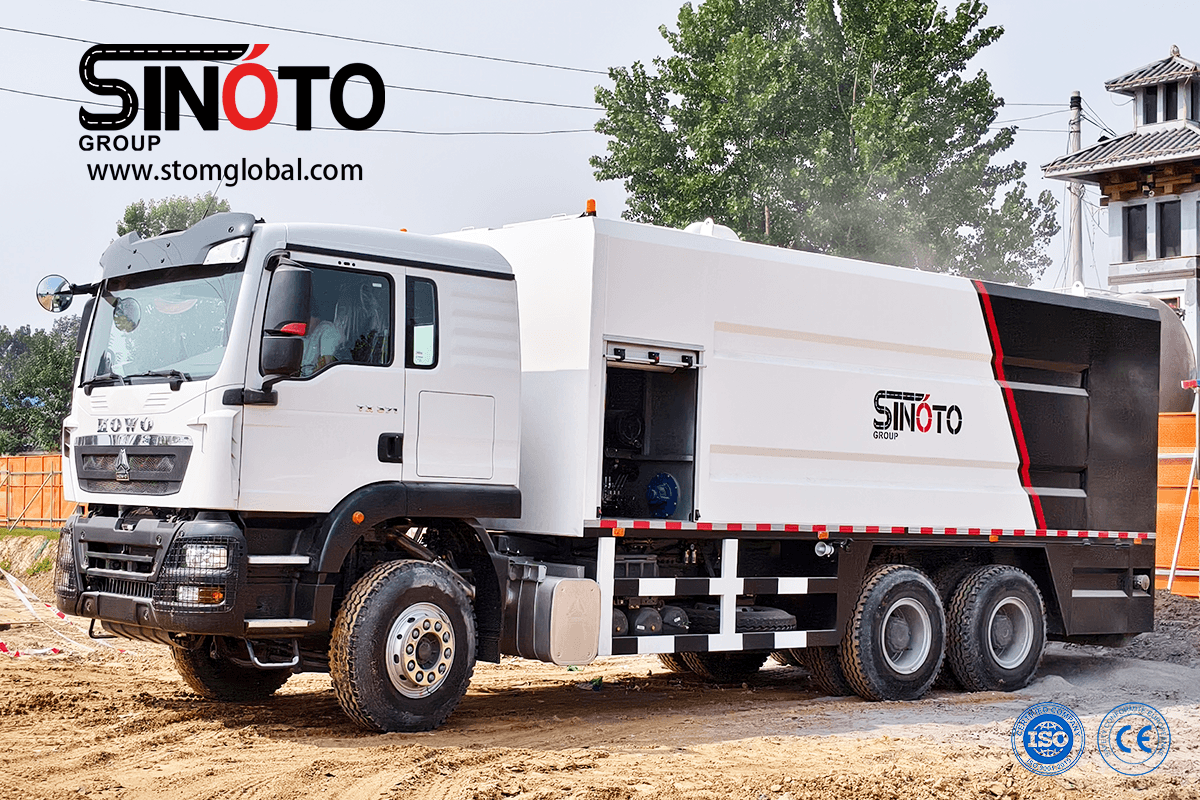
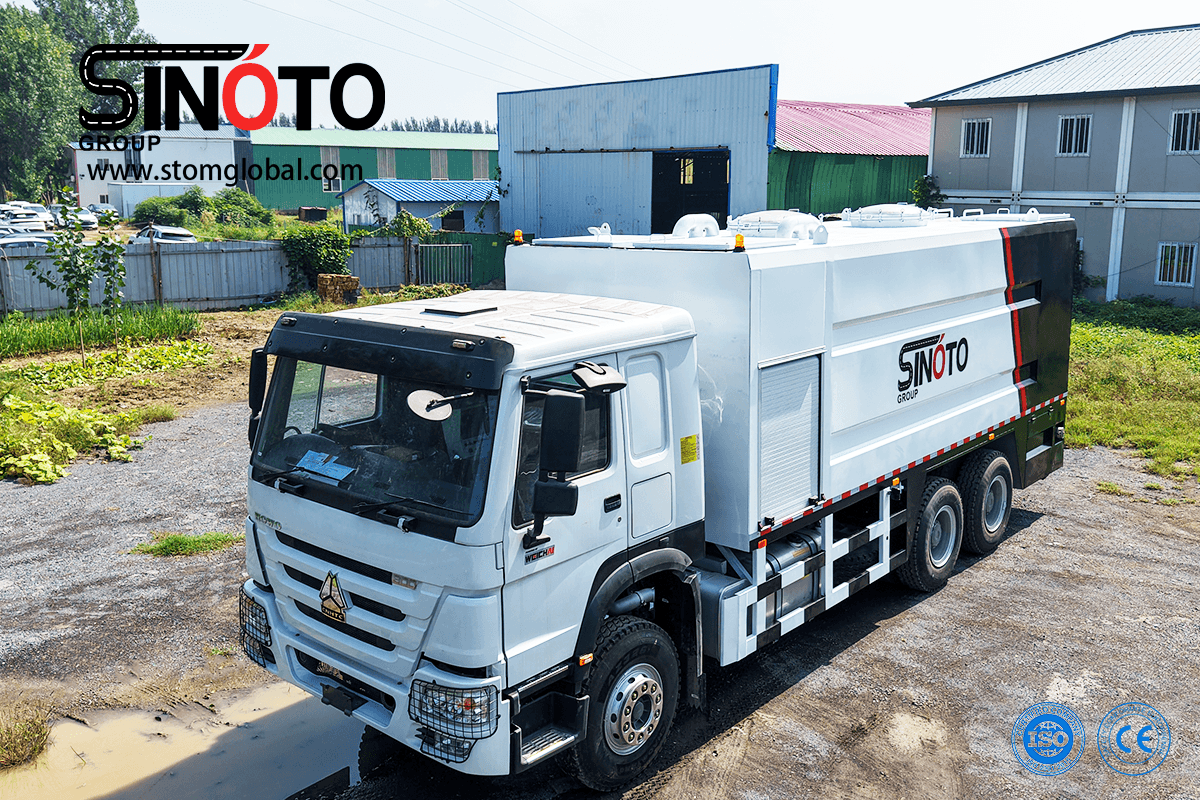
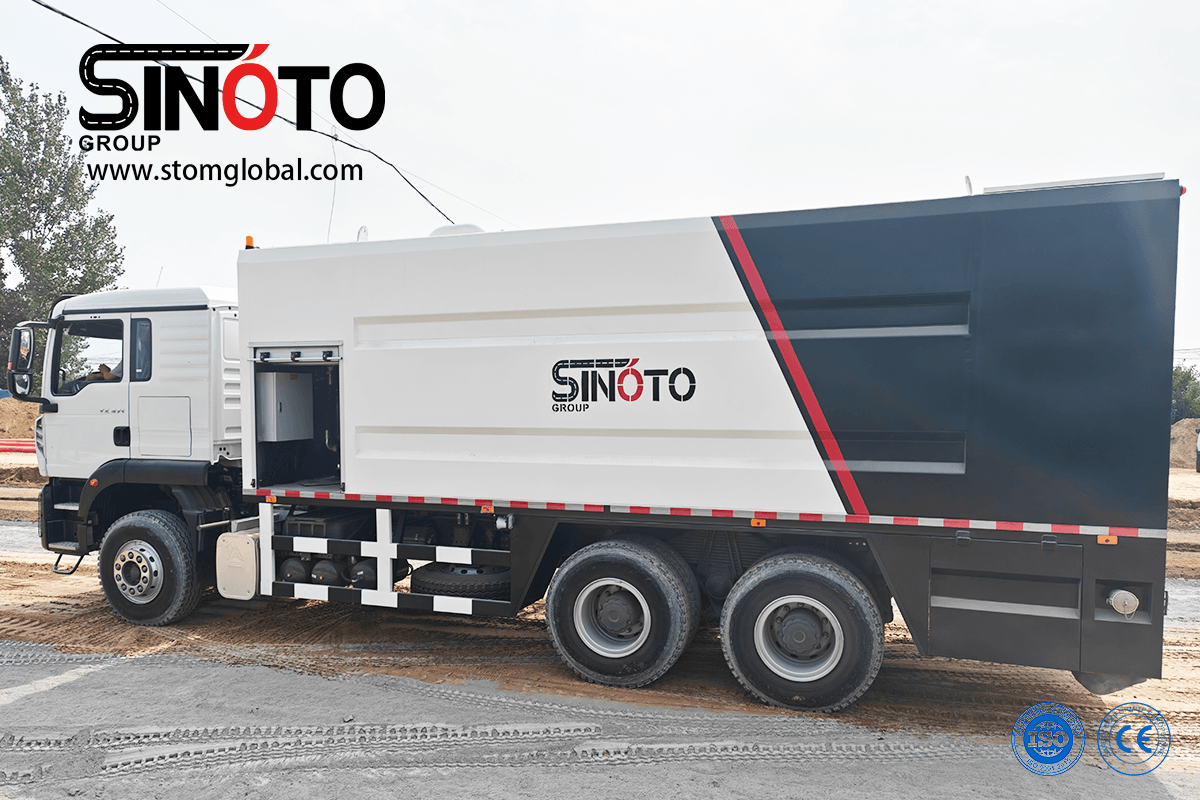
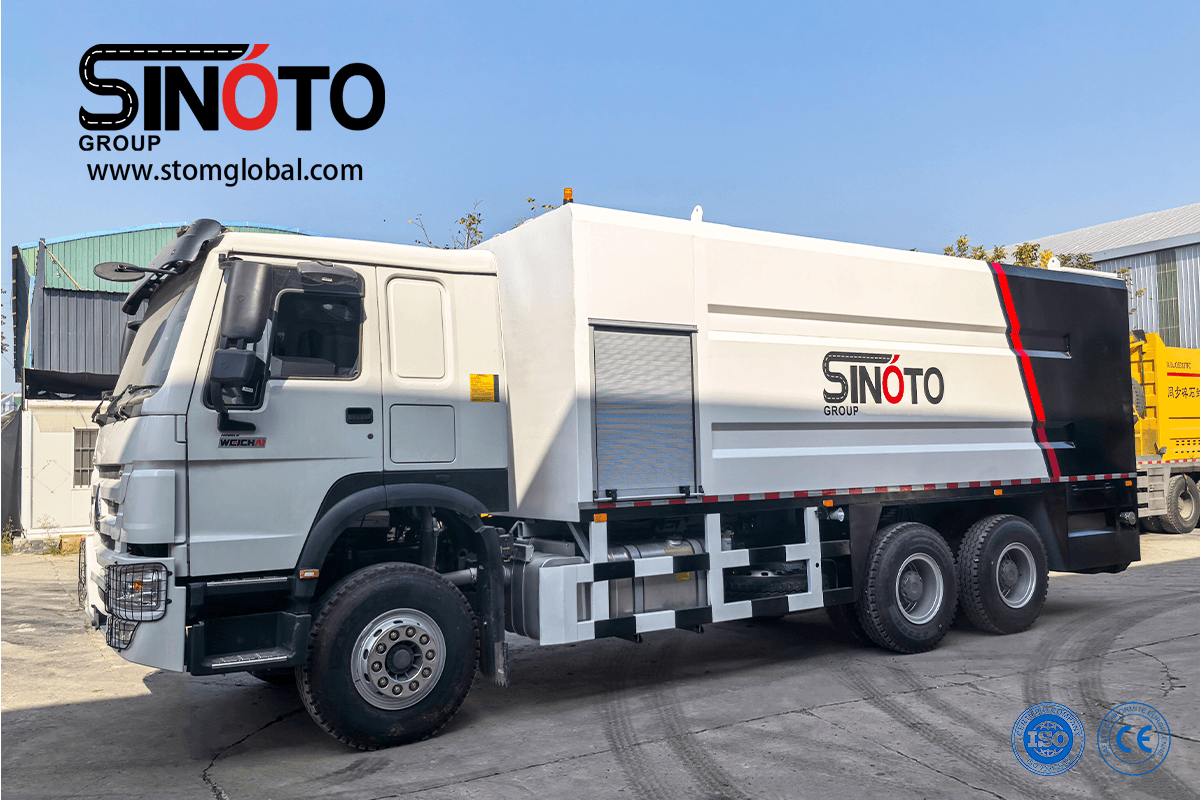
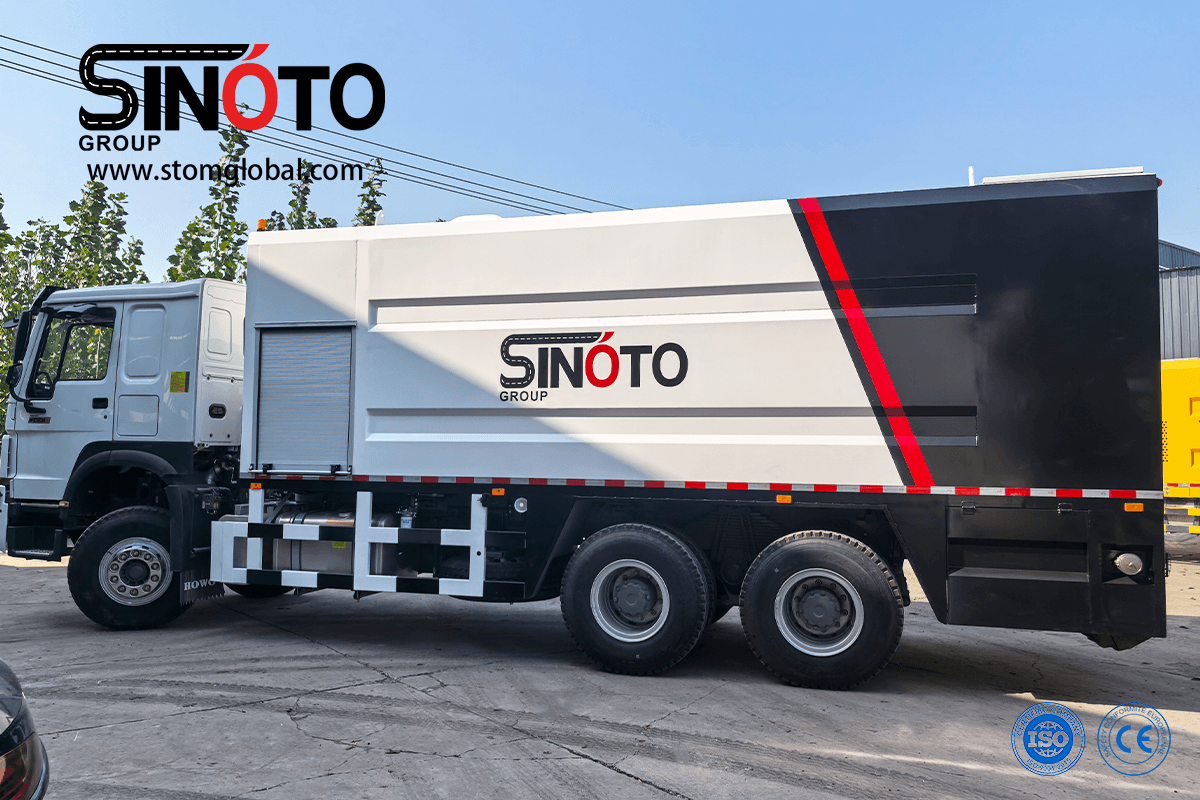
Yes — a modern cement spreader truck is fully compatible with bulk cement tanker loading. In fact, most professional-grade cement distributor truck models on the market today are purpose-built with a dedicated loading port that connects directly to a pneumatic bulk tanker, allowing operators to fill the material bin without manual bagging, without exposure to airborne dust, and without interrupting the construction schedule. This single design detail is one of the biggest buyer concerns when comparing a cement spreading machine for large-scale infrastructure work, because slow or messy loading can stall an entire paving crew. Below, we break down exactly how this loading process works, why it matters for soil stabilization and road base projects, and what else buyers should evaluate before purchasing. How Does a Cement Spreader Truck Handle Bulk Tanker Loading? An automatic cement spreader is engineered with two loading paths: a dedicated top-mounted loading port designed to mate with the discharge hose of a bulk cement tanker, and a secondary manhole for manual or bagged material addition. When a bulk tanker pulls alongside the unit, cement is pneumatically transferred straight into the sealed bin — no open shoveling, no clouds of powder drifting across the site. ℹ️...
If you are planning to buy a jumbo bag bitumen melting machine, your first question is almost always the same: how much does it cost? There is no single figure. The price of a jumbo bag bitumen melting machine depends on output capacity, the number of feeding ports, the heating method and the level of automation. Manufacturers such as Sinoto quote each unit against the buyer’s project needs rather than publishing one flat list price. This guide explains what shapes the bitumen bag melter price, which concerns matter most to buyers, and how to compare models before you send an inquiry. It draws on the specifications of Sinoto’s STBD-6 and STBD-10 units. 💡 Quick Answer: The jumbo bag bitumen melter price is driven mainly by output (5–12 tph), the number of feeding mouths (3–5), the heating system and the automation package. A larger dual-hoist unit costs more up front, but it can lower your cost per ton of melted bitumen on high-volume projects. 📊 At a Glance: Sinoto Jumbo Bag Bitumen Melter ⚙️ Capacity 🛢️ Feeding Mouths 🔥 Heating Options 🚚 Transport 5–12 tph 3–5 Oil burner or thermal oil furnace Skid-mounted, bolt-together hoist What Factors Determine the Price of...
What is the maximum bitumen content that a bitumen emulsion plant can handle? For buyers comparing asphalt emulsion production systems, this is an important technical question because the bitumen-to-water ratio directly affects the final emulsion formulation, viscosity, storage behavior, application performance, and production requirements. According to the SINOTO product specifications, the maximum listed bitumen solid content is ≤68%. This means the plant is designed to produce emulsified asphalt formulations with bitumen solid content up to approximately 68%, subject to the specific formulation, emulsifier system, raw materials, and operating conditions. The plant has a stated productive capacity range of 3–20 TPH, with standard models including STEB-4, STEB-6, STEB-10, and STEB-15. The system uses a high-precision colloid mill, automatic material proportioning, heating, emulsification, pumping, cooling, and control systems to produce different asphalt emulsion formulations. 💡 Quick Answer: The SINOTO bitumen emulsion plant specifies a maximum bitumen solid content of ≤68%. The actual operating percentage for a particular emulsion should be determined according to the required product grade, emulsifier chemistry, bitumen type, polymer or additive content, and local technical standards. For buyers, the important point is that 68% is a stated technical upper limit, not a universal target for every asphalt emulsion product....
If your road construction or asphalt plant still relies on manual labor to unload, cut, and melt bitumen drums, you already know the pain points: fire risk from open-flame heating, wasted man-hours, inconsistent bitumen quality, and drums that jam halfway through the process. A modern Barrels Bitumen Melting Machine — often called a bitumen decanter — solves all of this by mechanizing the entire drum-to-tank workflow. This article breaks down exactly how a bitumen melting machine works, how barrels are loaded, whether the process is continuous or batch-based, and what buyers should look for before purchasing a bitumen decanter for sale. Whether you’re evaluating a 20ft bitumen decanter for a small crew or a high-capacity asphalt drum melter for a large-scale asphalt processing operation, understanding the mechanics will help you buy smarter. 💡 Quick definition: A Barrels Bitumen Melting Machine extracts bitumen from sealed drums by heating them until the bitumen softens and flows out, then pumps the hot bitumen into a bitumen storage tank — all without manual cutting or open flames. What Is a Bitumen Decanter and How Does Bitumen Storage Work? A bitumen decanter is purpose-built equipment for asphalt processing plants that receive bitumen in steel drums...

Whatsapp ID: 8619059581045

WeChat ID: +8619059581045