For contractors and equipment dealers importing road-building machinery, one question comes up almost every time: how does a cement spreader truck actually get from the factory floor to a job site on the other side of the world? Whether you’re evaluating a cement spreader machine for sale for the first time or comparing suppliers, understanding the shipping process helps you plan your budget, your timeline, and your logistics with confidence.
Below, we break down exactly how a cement spreader — also known as a cement distributor truck or cement spreading machine — is packed, loaded, and transported internationally, along with the specs and details that affect cost and delivery time.
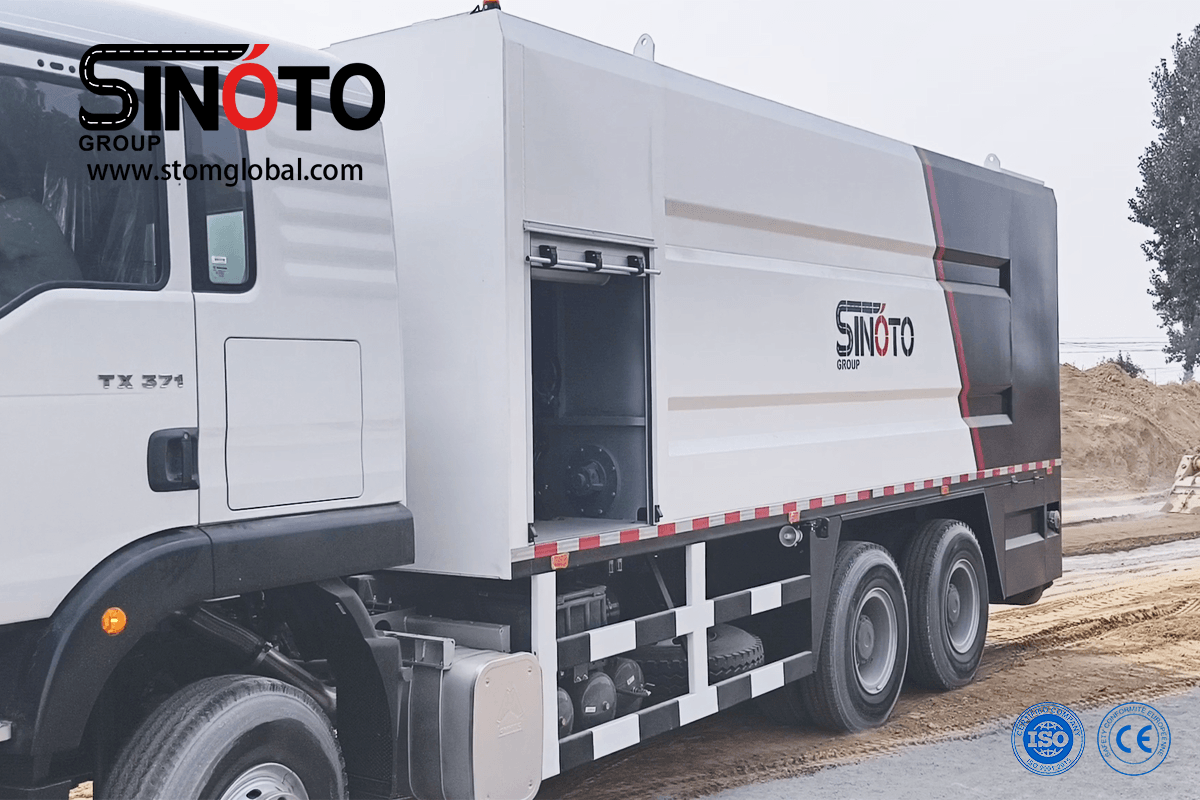
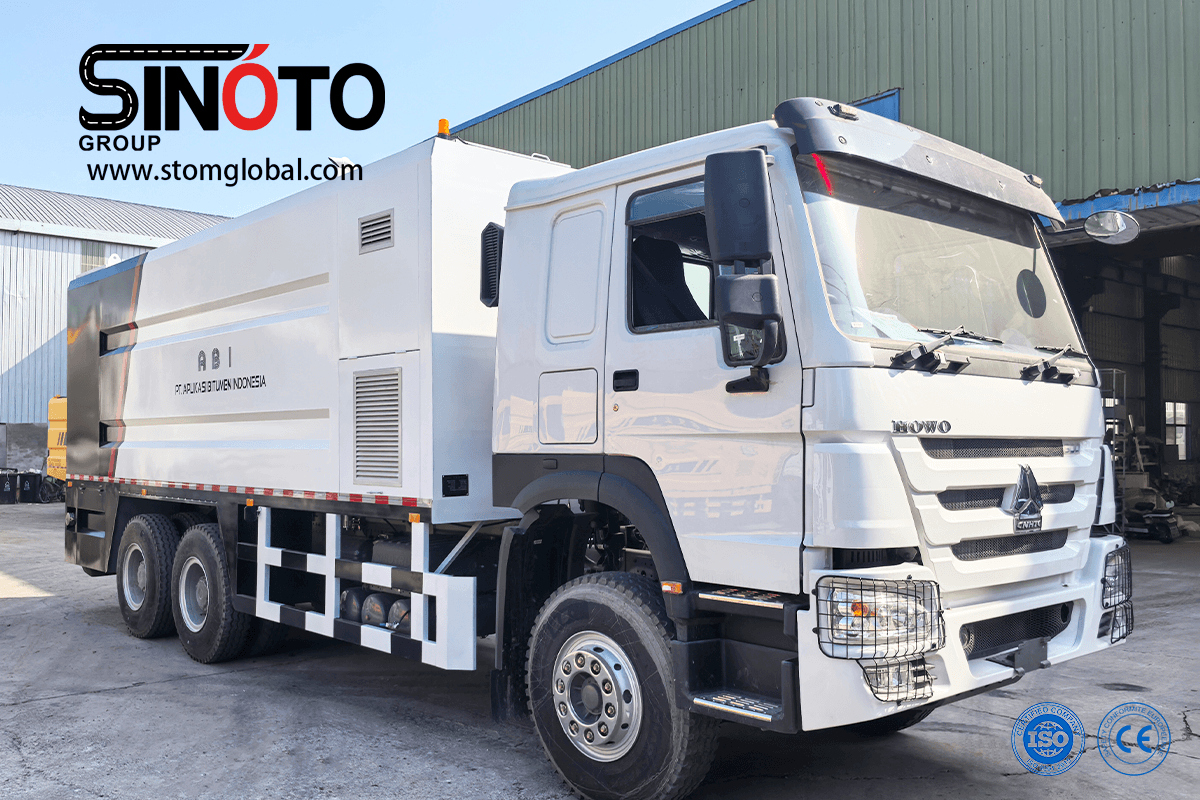
Because a cement spreader truck is a complete, road-legal vehicle built on a heavy chassis (such as SinoTruck or Shacman), it is typically shipped in one of two ways:
Most overseas buyers of a cement distributor truck choose RoRo shipping when the destination port supports it, since it reduces both cost and transit time compared to container freight.
Shipping cost depends heavily on the cement spreader price structure, destination port, and shipping method selected. Key cost drivers include:
“We always recommend buyers request a full door-to-port quotation that separates the cement spreader price from freight and insurance costs — this makes it much easier to compare offers and avoid hidden fees.”
Because the standard cement spreader capacity and dimensions are consistent across most export orders, freight forwarders can usually provide an accurate quote within a day or two of receiving the unit’s specifications.
The physical dimensions and weight of the machine determine which shipping method is feasible and how it must be secured. Below are the key cement spreader truck specifications relevant to logistics planning:
| Item | Parameter |
|---|---|
| Cement Bins Capacity | 18 m³ |
| Max. Spreading Width | 2500 mm |
| Spreading Capacity | 0.9–60 kg/m² |
| Curb Weight | 15 t |
| Total Weight | 23 t |
| Overall Size (L×W×H) | 9500 × 2500 × 4100 mm |
| Chassis Brand | SinoTruck / Shacman |
The 2500 mm cement spreader spreading width and the machine’s overall height mean it typically ships as a standard oversized road vehicle rather than requiring special heavy-lift equipment — a major advantage for buyers concerned about extra logistics fees. The 18 m³ cement spreader capacity also determines how much residual material (if any) needs to be cleared from the bins before shipment, since bins must be empty and clean prior to loading.
An automatic cement spreader contains sensitive components — a touchscreen control panel, a weighing system, a hydraulic system, and a dust collection unit — that require careful preparation before the ocean voyage:
For flat-rack shipments, the vehicle is further secured with steel wire lashings and wooden chocks to prevent movement, and the cabin is sealed to keep out saltwater spray.
Before the cement spreader truck shipping process begins, buyers should confirm the following with their supplier:
Following this checklist helps ensure the cement spreader arrives ready for commissioning with minimal downtime, whether it’s headed for a highway project, a railway subgrade, or a municipal road base construction site.
Ready to get a shipping quote for your project? Request a Free Quote for the Cement Spreader →
#CementSpreader #CementSpreaderTruck #RoadConstructionEquipment #ConstructionMachineryExport #InfrastructureEquipment #SinoTruckExport

Whatsapp ID: 8619059581045

WeChat ID: +8619059581045

