Aug, 24 2026
South African Customer Visits Sinoto Factory | Concrete Mixing Plant Solutions
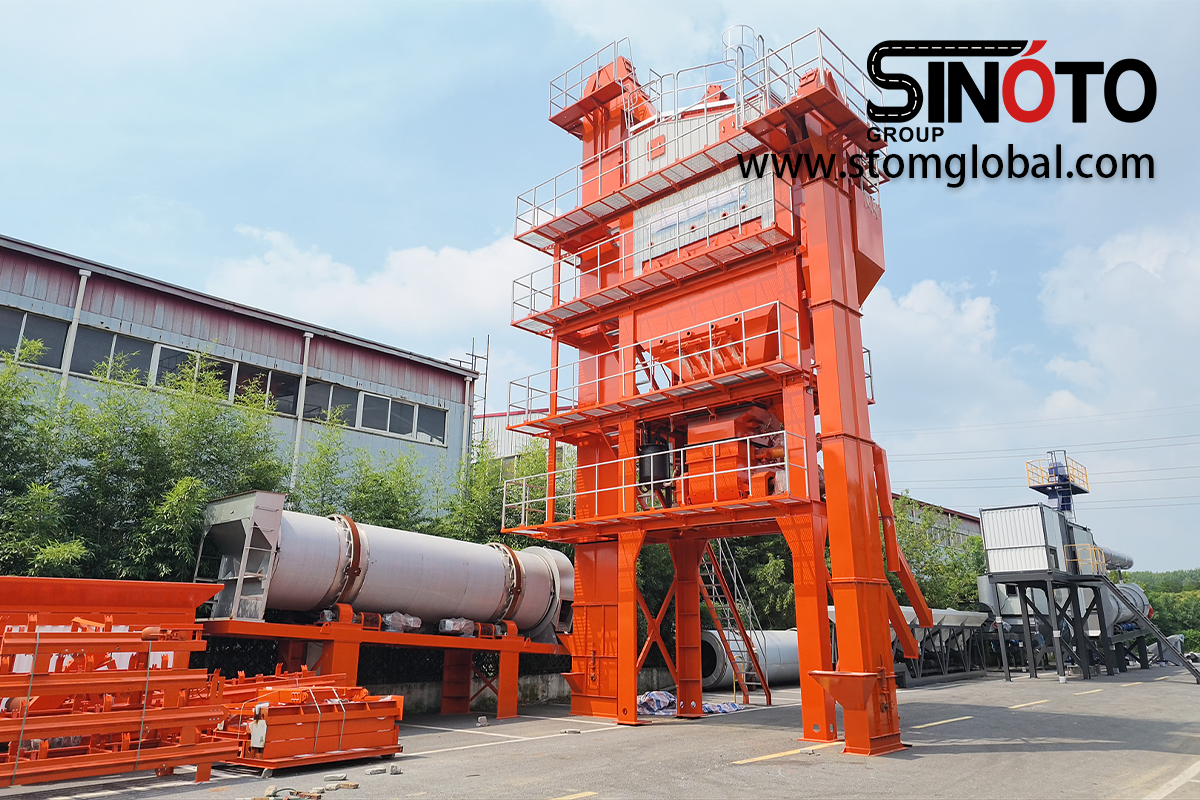
South African Customer Visits Sinoto Group Factory to Explore Concrete Mixing Plant Solutions On August 19, 2026, Sinoto Group welcomed a valued customer from South Africa for an in-depth factory visit in Zhengzhou and Nanyang, Henan Province, China. The visit provided an excellent opportunity for both sides to strengthen communication, understand manufacturing capabilities, and explore future cooperation opportunities in the field of construction machinery. During the visit, the South African customer gained a comprehensive understanding of Sinoto Group’s production facilities, quality control procedures, and advanced manufacturing technologies. The customer focused on Sinoto Group’s concrete mixing plant solutions and related construction machinery products, discussing equipment performance, production capacity, and application requirements for overseas construction projects. As a professional construction machinery manufacturer, Sinoto Group has been dedicated to providing reliable equipment and complete solutions for global infrastructure development. Through continuous innovation and strict quality management, the company delivers high-performance machinery that supports customers in different markets, including Africa, Southeast Asia, the Middle East, and other regions. Factory Tour and Manufacturing Process Experience During the factory tour in Zhengzhou, the South African customer visited Sinoto Group’s manufacturing workshops and learned about the complete production process of construction equipment. From raw material selection and component...
Learn More