Road construction and pavement maintenance require more than asphalt paving and surface sealing. Before applying new asphalt layers, slurry seals, micro-surfacing materials, or bituminous treatments, contractors must ensure that the existing pavement is properly cleaned and prepared.
A professional Road Surface Cleaning & Preparation Solution helps remove loose aggregates, sand, soil, dust, and other contaminants that may interfere with subsequent construction operations.
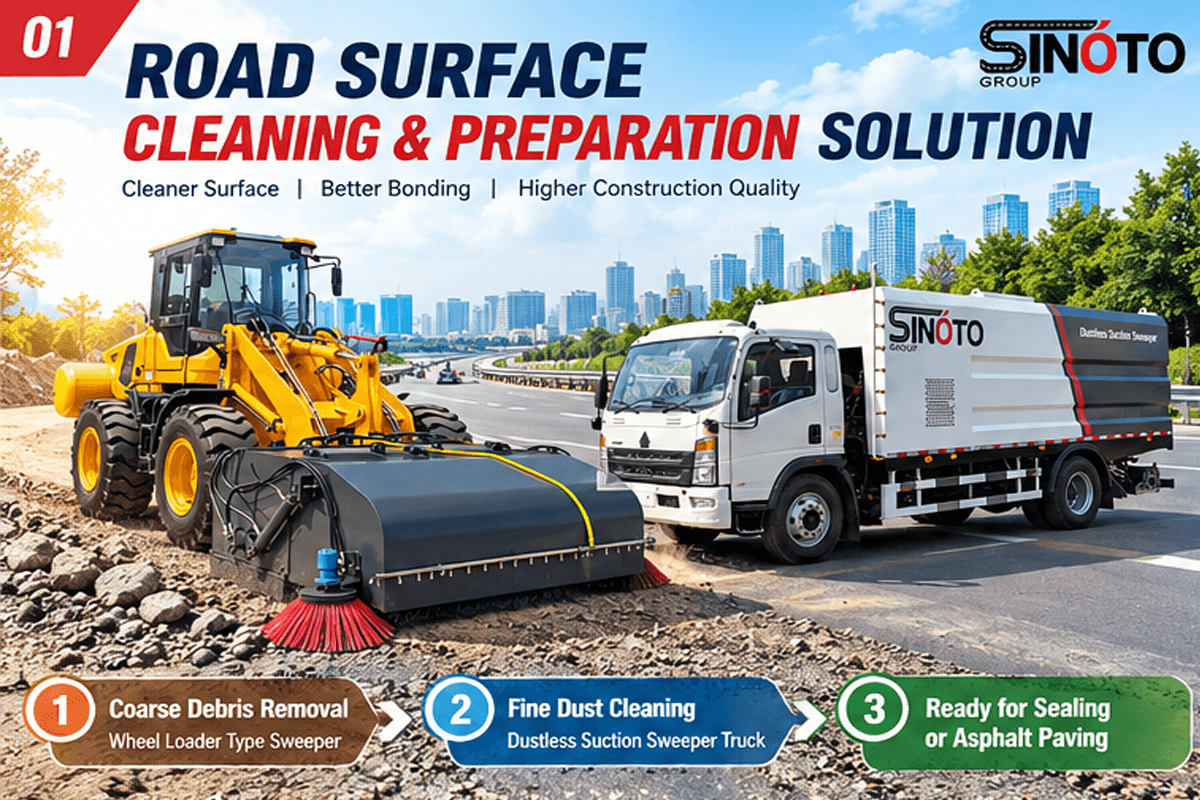
For roads containing large quantities of gravel and fine dust, combining a Wheel Loader Type Sweeper with a Dustless Suction Sweeper Truck provides an efficient two-stage cleaning approach.
The wheel loader sweeper removes heavier debris and accumulated materials, while the dustless suction sweeper collects finer particles left behind. This complementary operation helps prepare road surfaces for asphalt paving, chip sealing, slurry sealing, and other pavement maintenance applications.
However, not every road cleaning project requires both machines. Equipment selection should depend on road conditions, contamination levels, construction requirements, and project budgets.
SINOTO provides road cleaning equipment solutions designed to help contractors improve surface preparation, reduce unnecessary manual cleaning, and coordinate road maintenance operations more effectively.
A Road Surface Cleaning & Preparation Solution follows a structured cleaning process based on the condition of the existing pavement.
On construction sites with significant quantities of loose stones, sand, soil, or accumulated construction debris, preliminary mechanical sweeping is often necessary before fine dust removal.
| Road Surface Cleaning & Preparation Workflow | |||
|
Step 1 — Road Surface Inspection Identify loose aggregates, sand, soil, and fine dust |
Step 2 — Wheel Loader Type Sweeper Remove coarse debris and accumulated loose materials |
Step 3 — Dustless Suction Sweeper Truck Collect remaining fine particles and surface dust |
Step 4 — Surface Inspection & Treatment Confirm cleanliness before sealing or asphalt paving |
The Wheel Loader Type Sweeper uses a loader-mounted sweeping attachment to remove loose aggregates, gravel, soil, and construction residues.
It is particularly useful on newly constructed road bases, highway rehabilitation projects, industrial roads, and construction sites where heavy debris must be cleared before paving.
Stage 2: Fine Dust Collection
After coarse debris removal, the Dustless Suction Sweeper Truck performs more detailed surface cleaning.
Its suction-based cleaning system collects fine dust, sand, and smaller particles, helping reduce airborne dust and residual contamination.
Stage 3: Preparation for Pavement Treatment
Once the road surface meets project cleanliness requirements, contractors can proceed with the specified asphalt or sealing operation.
Construction Tip: Effective cleaning can improve the conditions for bonding between pavement surfaces and subsequent treatments. However, surface dryness, material compatibility, application rates, and other specifications must also be verified.
Both machines contribute to road cleaning, but their strengths differ according to debris characteristics and construction requirements.
|
Comparison |
Wheel Loader Type Sweeper |
Dustless Suction Sweeper Truck |
|---|---|---|
|
Primary function |
Coarse debris removal |
Fine dust collection |
|
Suitable materials |
Gravel, sand, loose soil |
Fine dust, sand, small debris |
|
Cleaning method |
Mechanical brush sweeping |
Vacuum-assisted sweeping |
|
Best applications |
Construction sites, road bases |
Urban roads, paving preparation |
|
Main advantage |
Heavy-duty debris handling |
Dust control and detailed cleaning |
|
Typical operating stage |
Initial cleaning |
Secondary or independent cleaning |
Key Benefits for Contractors
Improved Surface Preparation: Removing contaminants helps create more suitable conditions for subsequent pavement treatments.
Higher Operational Efficiency: Mechanical equipment can reduce manual sweeping requirements over large construction areas.
Better Dust Management: Vacuum-assisted collection helps limit dust dispersion during cleaning, subject to equipment configuration and operating conditions.
Flexible Equipment Deployment: Contractors can operate either machine independently or combine them when necessary.
Reduced Rework Risk: Appropriate surface cleaning helps avoid contamination-related problems during sealing and paving operations.
For contractors managing multiple projects, equipment flexibility is especially valuable because road conditions can vary significantly between construction sites.
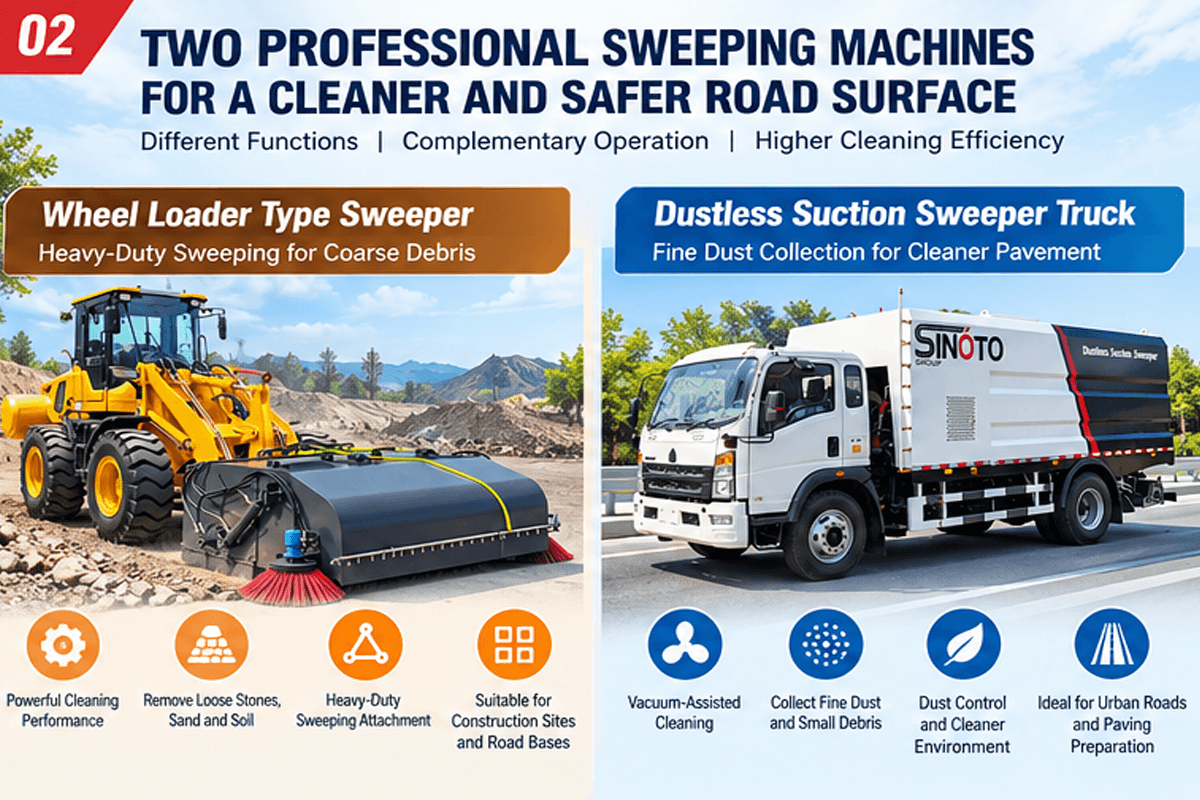
Combining both machines is particularly beneficial when road surfaces contain different types and sizes of contaminants.
A loader-mounted sweeper can quickly remove accumulated loose materials, while a suction sweeper performs the detailed cleaning needed for dust-sensitive pavement treatments.
This combination is especially useful for road rehabilitation, highway maintenance, and preparation before asphalt surface treatments.
Nevertheless, deploying both machines is not always the most economical approach.
Recommended Equipment Combinations
|
Road Condition |
Recommended Equipment |
Cleaning Strategy |
|---|---|---|
|
Heavy gravel and soil |
Wheel Loader Type Sweeper |
Coarse sweeping |
|
Light dust and sand |
Dustless Suction Sweeper Truck |
Vacuum-assisted cleaning |
|
Heavy debris and fine dust |
Both machines |
Two-stage cleaning |
|
Urban road maintenance |
Dustless Suction Sweeper Truck |
Detailed surface cleaning |
|
Road base preparation |
Wheel Loader Type Sweeper |
Initial debris removal |
|
Surface sealing preparation |
Based on site conditions |
Cleaning and final inspection |
How to Select the Cleaning Process
If the road contains mainly fine dust, a suction sweeper may be sufficient. If large quantities of stones or construction debris are present, mechanical sweeping should generally come first. For mixed contamination, a two-stage approach can deliver more thorough cleaning.
The combined solution also supports better coordination between road cleaning crews and asphalt paving teams.
By organizing the cleaning process before paving begins, contractors can reduce delays caused by repeated surface preparation and improve equipment utilization.
Actual productivity depends on road width, debris loading, machine capacity, travel speed, and site conditions.

A Road Surface Cleaning & Preparation Solution supports various infrastructure construction and maintenance projects.
|
|
Highway Construction and Rehabilitation Cleaning existing asphalt surfaces and newly constructed road bases before paving, overlay work, or other treatments. |
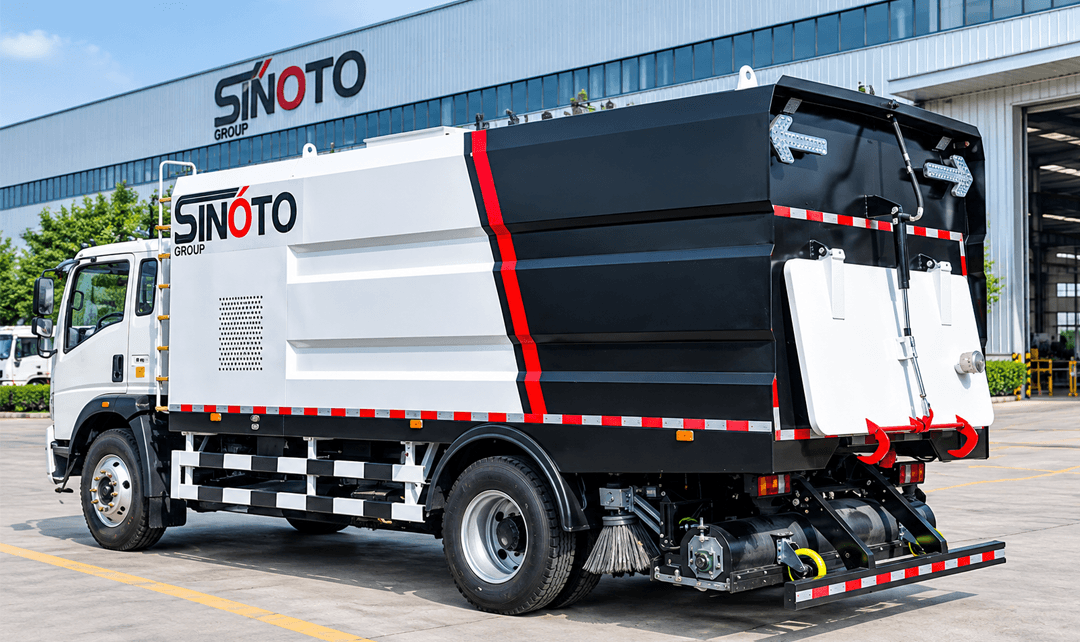 |
Urban Road Maintenance Removing dust, sand, and accumulated debris from city streets, intersections, and municipal road networks. |
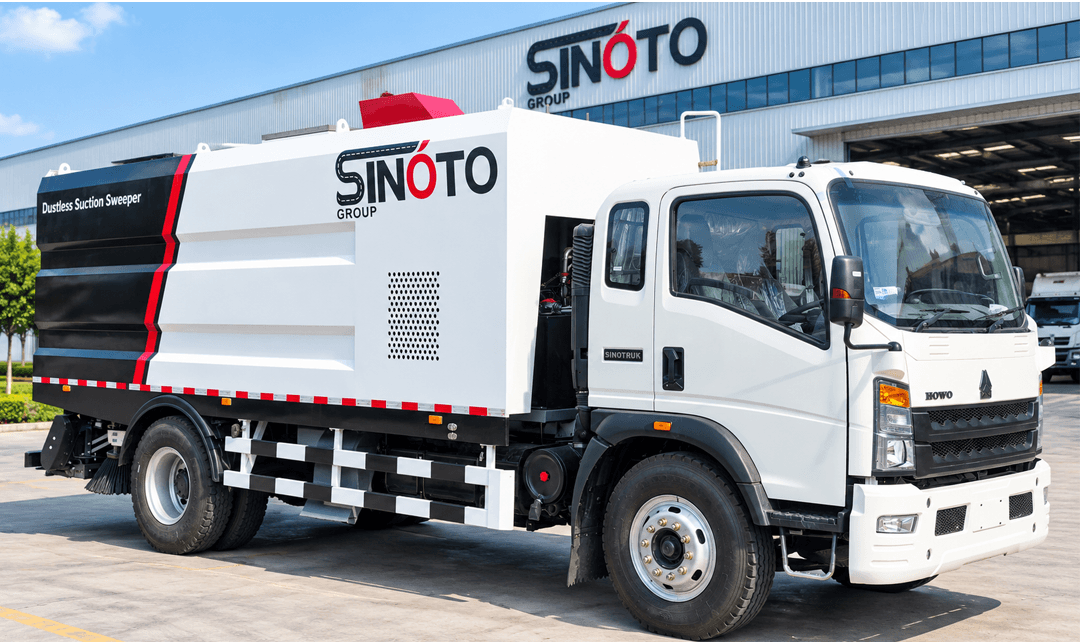 |
Airport and Industrial Pavements Supporting surface cleaning where dust control and debris removal are important, subject to airport-specific equipment and safety requirements. |
 |
Chip Sealing and Slurry Sealing Projects Removing loose materials before applying asphalt binders, aggregates, slurry seal, or micro-surfacing mixtures. |
A well-planned equipment workflow can help contractors coordinate multiple machines and maintain more consistent road maintenance operations.
Selecting suitable road cleaning machinery requires evaluating technical requirements, operating costs, and long-term maintenance needs.
Before purchasing equipment, contractors should consider the following factors.
1. Road Surface Conditions
Determine whether the project involves heavy aggregates, compacted soil, loose sand, or fine dust. Different contaminants require different cleaning methods.
2. Project Size and Cleaning Capacity
Consider total road area, working width, required completion time, and expected debris volume. Larger projects may require higher-capacity equipment.
3. Dust Control Requirements
Urban construction sites and dust-sensitive environments may benefit from vacuum-assisted cleaning systems with appropriate filtration and dust-control features.
4. Equipment Compatibility
For loader-mounted sweepers, confirm compatibility with the existing wheel loader, including hydraulic flow, operating pressure, attachment interface, and load capacity.
5. Maintenance and Operating Costs
Evaluate brush replacement, filtration components, fuel consumption, spare parts availability, and routine servicing requirements.
6. Integration with Road Construction Equipment
For contractors operating asphalt distributors, chip sealers, or slurry sealing pavers, selecting compatible cleaning equipment can improve the overall construction workflow.
|
Buyer Concern |
What to Confirm Before Purchasing |
|---|---|
|
Cleaning efficiency |
Working width and expected cleaning productivity |
|
Debris handling |
Suitable debris size and collection method |
|
Dust control |
Filtration and dust suppression configuration |
|
Equipment compatibility |
Hydraulic and mechanical requirements |
|
Operating costs |
Fuel, wear parts, maintenance |
|
After-sales support |
Spare parts, technical service, warranty |
SINOTO Equipment Selection Advice: The most suitable solution is not necessarily the one with the most machines. It is the combination that meets cleaning requirements while balancing investment, productivity, operating costs, and construction quality.
A reliable Road Surface Cleaning & Preparation Solution is an important part of successful road construction and pavement maintenance.
The Wheel Loader Type Sweeper provides effective coarse debris removal, while the Dustless Suction Sweeper Truck supports detailed dust collection.
When combined appropriately, these machines create a practical two-stage cleaning workflow before asphalt paving, chip sealing, slurry sealing, and other surface treatments.
For projects with lighter contamination, a single cleaning machine may be sufficient, helping contractors avoid unnecessary equipment investment.
SINOTO helps customers evaluate road conditions, equipment requirements, and project applications to select suitable road cleaning machinery for their operations.
Whether you are preparing highways, municipal roads, industrial pavements, or maintenance projects, the right cleaning equipment can improve operational efficiency and support consistent surface preparation.

Looking for reliable road cleaning machinery for your next construction project?
Contact SINOTO to discuss your road conditions, equipment requirements, and project specifications. Our team can help you evaluate suitable sweeping equipment and request a customized quotation.
Request a Free Quote Share your road cleaning requirements and receive equipment recommendations from SINOTO.Hashtags: #RoadSurfaceCleaning #RoadConstructionEquipment #WheelLoaderSweeper #DustlessSweeperTruck #RoadMaintenance #SINOTO

Whatsapp ID: 8619059581045

WeChat ID: +8619059581045


