If you’re shopping for a cement spreader machine for road base construction, soil stabilization, or foundation treatment, one of the first decisions you’ll face is the mounting configuration: truck-mounted or trailer-mounted. Both formats spread cement (or lime, fly ash, and other powdered materials) evenly across a construction surface, but they differ significantly in mobility, cost, operating logistics, and long-term value. This guide breaks down everything you need to know before you buy, rent, or request a quote from a manufacturer.
ℹ️ Quick definition: A cement spreader (also called a cement distributor or cement spreading machine) is specialized equipment that uniformly distributes cement or powdered stabilizing agents over subgrade or road base layers, typically working alongside soil stabilizers and road rollers in highway, railway, and municipal projects.
A cement spreader truck is a self-propelled unit built on a heavy-duty chassis, integrating the storage bin, conveyor system, weighing system, and discharge mechanism into a single driveable vehicle. Unlike towed equipment, the truck-mounted design carries its own engine and cab, meaning one operator can load material, drive to the job site, and control spreading — all without needing a separate towing vehicle.
Here’s how the process typically works on a modern automatic unit:
📋 Pro tip from the field: “The biggest complaint we hear from contractors switching from manual spreading to a mechanical cement spreader is dust control — not spread accuracy. Always ask the supplier about the dust collection system before asking about tank size.” — common feedback from road construction project managers.
This self-contained design is why most large-scale highway and railway contractors favor the cement spreader truck format over trailer units when project volume is high and job sites are spread across a wide geographic area.
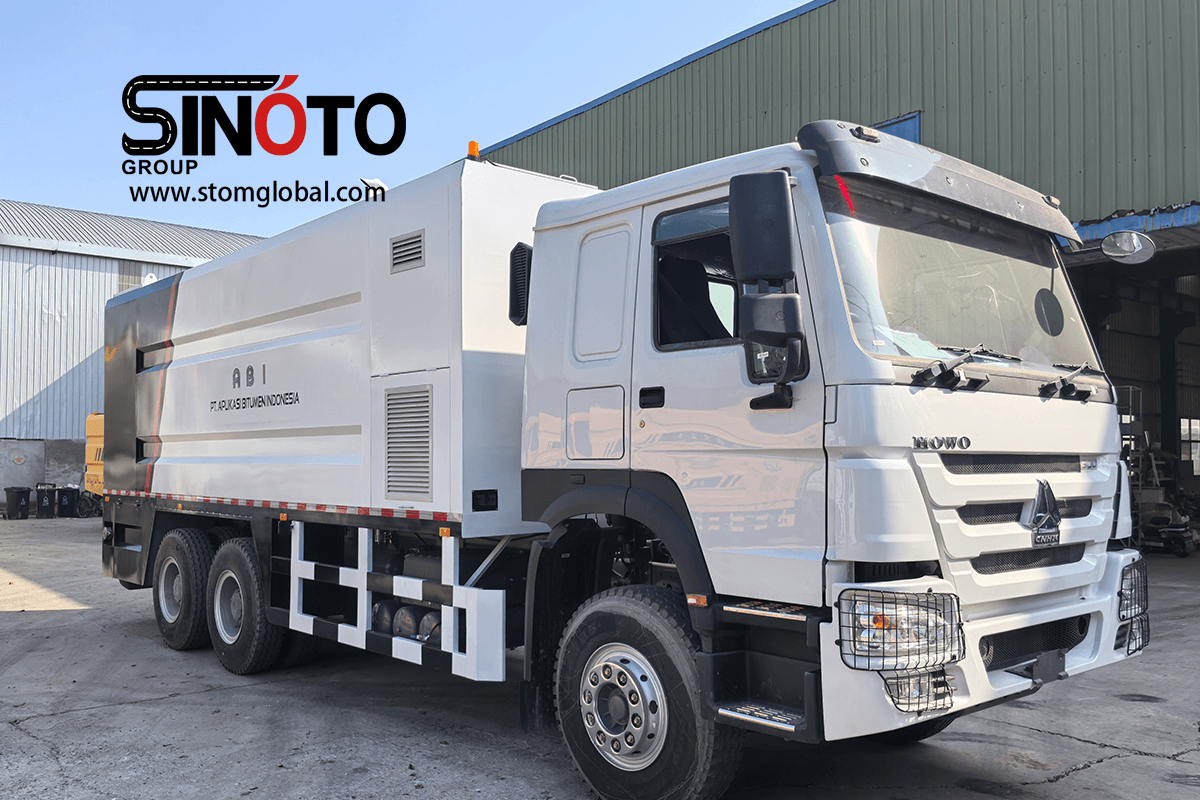
Choosing between a truck-mounted and trailer-mounted cement spreader machine comes down to how your fleet operates, your budget, and the scale of your projects. The table below summarizes the core trade-offs.
|
Factor |
Truck-Mounted Cement Spreader |
Trailer-Mounted Cement Spreader |
|
Mobility |
Fully self-propelled; drives independently between sites |
Requires a separate towing vehicle (tractor unit) |
|
Operator requirement |
One driver handles transport and spreading |
May need a driver plus a tow-truck operator |
|
Initial investment |
Higher upfront cost (includes chassis, engine, cab) |
Generally lower upfront cost |
|
Best for |
High-volume highway, railway, and long-distance projects |
Smaller sites, shorter hauls, or fleets that already own tow tractors |
|
Bin capacity range |
Commonly 15–25 m³ |
Varies, often paired with existing truck fleets |
|
Road transport speed |
Up to 80 km/h on public roads |
Limited by towing vehicle and trailer regulations |
|
Maintenance |
Chassis and spreader system serviced together |
Chassis (tow vehicle) and spreader serviced separately |
|
Flexibility |
Dedicated unit, always ready to deploy |
Can be detached and swapped between tow vehicles |
If your operation already has heavy tow trucks sitting idle between jobs, a trailer-mounted cement distributor can be the more capital-efficient choice. But if you run continuous, multi-site subgrade or soil stabilization programs, the independence of a truck-mounted unit usually pays for itself in reduced downtime and simpler crew scheduling.
Whether you choose a truck-mounted or trailer-mounted format, the real value of a modern automatic cement spreader lies in its control system. Older, manual spreading methods rely on the operator’s judgment to gauge how much material is being laid down, which almost always leads to over-application (wasted material and cost) or under-application (weak, inconsistent stabilized layers).
A properly engineered automatic system addresses this in a few key ways:
ℹ️ Why this matters for your bottom line: Cement is not cheap, and over-spreading by even 10% across a multi-kilometer highway base course adds up to a significant material cost. An automatic cement spreading machine with a reliable weighing system is one of the fastest ways to control that cost.
Patented features like arch-breaking devices inside the storage bin are also worth asking about — they keep powdered material flowing freely and prevent the clogging that causes unplanned downtime, regardless of whether the unit is truck- or trailer-mounted.
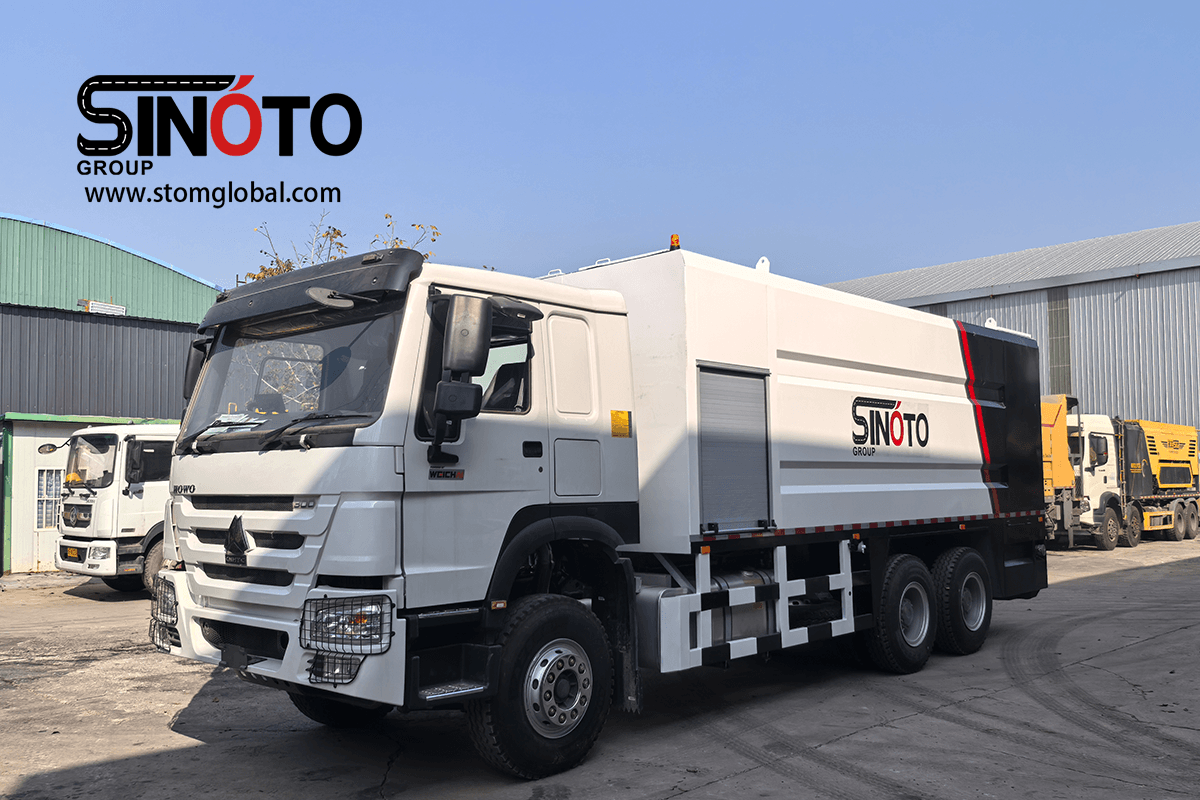
Cement spreader truck price varies widely depending on specification, chassis brand, bin capacity, and level of automation. Rather than quoting a single number (which changes by region, import duties, and currency), it’s more useful to understand what drives the price up or down:
|
Price Driver |
Impact on Cost |
|
Chassis brand and origin |
Established international truck brands typically cost more than local/regional chassis options |
|
Bin/tank capacity |
Larger bins (e.g., 18–25 m³) increase material and fabrication cost |
|
Automation level |
Fully automatic weighing and control systems add cost but reduce long-term material waste |
|
Dust control system |
Bag-filter dust collectors and discharge curtains add to the base price |
|
Hydraulic components |
Imported hydraulic pumps/valves (vs. domestic components) affect both price and durability |
|
Emission standard |
Compliance with stricter emission standards (e.g., Euro V engines) can influence cost depending on your market |
|
After-sales support |
Warranty terms, spare parts availability, and technical support packages factor into total cost of ownership |
📋 Buyer’s tip: When comparing quotes for a cement spreader truck for sale, ask each supplier for a full technical parameter sheet — chassis brand, engine power, spreading capacity range (kg/m²), maximum spreading width, and total weight — so you’re comparing equivalent machines rather than headline prices alone.
For reference, a representative technical specification for a mid-to-large truck-mounted unit looks like this:
|
Parameter |
Typical Value |
|
Cement bin capacity |
~18 m³ |
|
Spreading capacity |
0.9–60 kg/m² |
|
Max. spreading width |
~2,500 mm |
|
Engine power |
~257 kW (350 hp) |
|
Max. speed |
~80 km/h |
|
Total weight |
~23 t |
Trailer-mounted units follow similar bin and spreading-capacity ranges but shift a portion of the cost (and complexity) into whatever tow vehicle you pair them with.
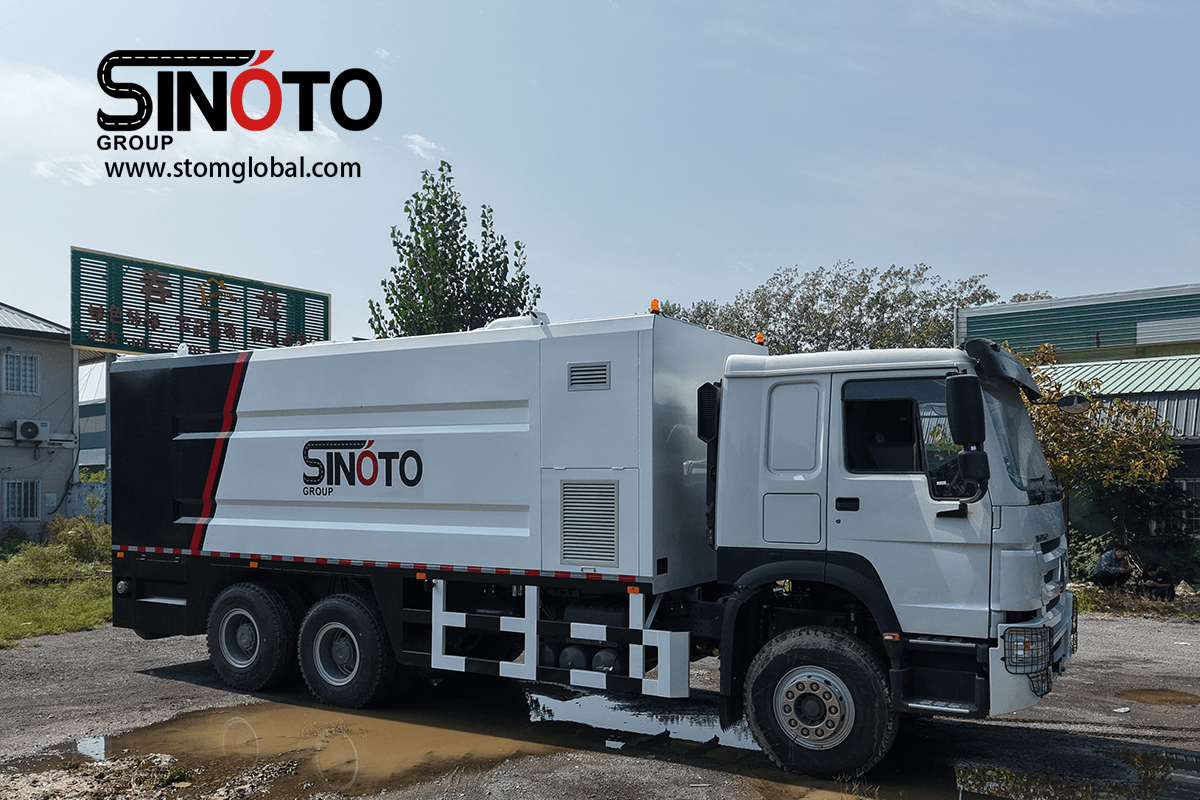
Once you’ve decided between truck-mounted and trailer-mounted, the next step is sourcing the machine itself. Here’s a practical checklist when evaluating a cement spreader for sale:
If you’re searching for a “cement distributor near me,” it’s worth widening the search to reputable global manufacturers as well as regional dealers — many road-machinery suppliers ship internationally and provide full documentation, video demonstrations, and remote technical support during commissioning, which can matter more than physical proximity for a piece of specialized equipment you’ll use for years.
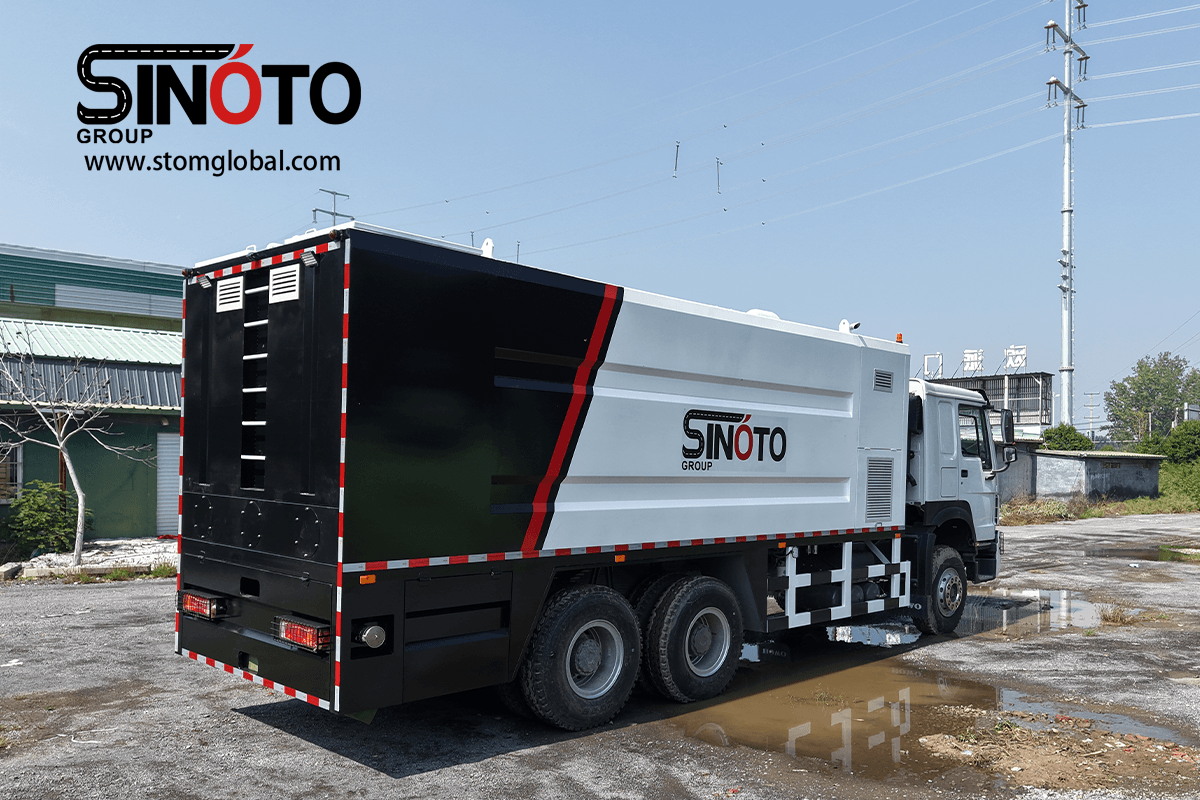
There’s no universal answer to “truck-mounted or trailer-mounted” — the right choice depends on your project scale, existing fleet, budget, and how often the machine needs to relocate between sites. A truck-mounted cement spreader machine offers independence and speed for continuous, large-scale operations, while a trailer-mounted unit can lower upfront costs for operations with existing tow capacity. Whichever format you choose, prioritize accurate weighing systems, dust control, and reliable after-sales support — these factors affect your project quality and total cost of ownership far more than the mounting style alone.
If you’d like a tailored recommendation based on your bin capacity, spreading width, and budget requirements, reach out to a specialized road construction equipment manufacturer for a detailed quote and technical parameter sheet.

Whatsapp ID: 8619059581045

WeChat ID: +8619059581045

