Dust is the number one complaint on any powder-spreading job site — it drifts onto nearby traffic, coats equipment, irritates operators, and can even trigger environmental compliance issues. For contractors evaluating a cement spreader for road base or subgrade work, dust control isn’t a nice-to-have; it’s often the deciding factor between winning a bid on an eco-sensitive project and losing it. This article breaks down exactly how a modern cement spreader truck manages dust, what buyers should look for, and why an automatic cement spreader with the right containment system outperforms older, open-chute machines.
🔹 Quick answer: A well-engineered cement distributor controls dust through three combined systems — a sealed bag-filter dust collector, a low-position discharge curtain, and an enclosed conveyor/metering system — which together keep powder clouds from escaping during loading, transport, and spreading.
Uncontrolled dust from powder spreading isn’t just messy — it represents wasted material, reduced visibility for drivers, and potential health hazards for site crews working near cement, lime, or fly ash. On highway, railway, and municipal projects, dust clouds can also violate local air-quality regulations, halting work until conditions are corrected.
A cement spreader truck designed for dust-free operation solves this at the source rather than relying on downstream cleanup. The STOM cement spreader (model HTN5251TFS), for example, is built specifically for this purpose — combining a sealed material bin, a dedicated dust collector, and a controlled discharge mechanism into one integrated cement spreading machine.
“The dust-free cement spreader for soil stabilization is equipped with a unique bag-filter system and a low-position discharge curtain to prevent powder clouds during operation.” — Technical FAQ, STOM Global
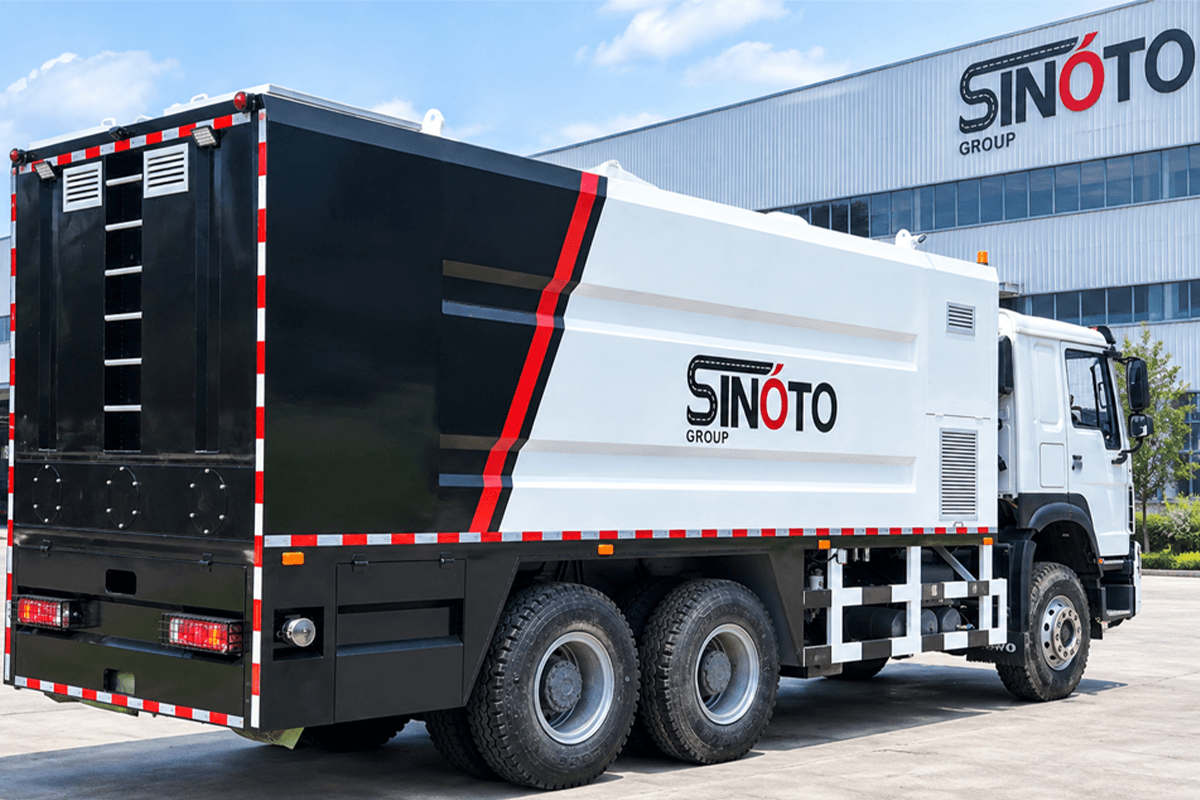
The dust-suppression design works at every stage of the spreading cycle:
📥 Loading stage — Material enters through a dedicated loading port or manhole, minimizing exposure to open air compared to manual shoveling or open-top hoppers.
⚙️ Internal transport stage — An enclosed conveyor and measuring system (supplied by SINOTO GROUP) moves cement from the bin to the discharge point without exposing the powder mid-transfer.
🌀 Anti-clumping stage — A patented arch-breaking device prevents the material bin from arching or forming lumps, which — beyond improving flow — reduces the sudden bursts of dust that occur when compacted cement breaks loose unpredictably.
🌬️ Filtration stage — A bag-filter dust collector captures airborne particles generated inside the system before they can escape into the atmosphere.
🚪 Discharge stage — A low-position discharge curtain releases cement close to the ground surface rather than dropping it from height, which is the single biggest factor in preventing visible dust plumes during road base stabilization work.
Because the entire process is governed by a fully automatic control system, the spreading rate stays consistent regardless of vehicle speed — meaning there’s no need for an operator to manually adjust flow, which is often where human error introduces uneven (and dustier) discharge.
Dust control is closely tied to metering accuracy — the less excess material discharged, the less dust generated. Here are the core specs of the STOM cement spreader:
| Parameter | Value |
|---|---|
| Model | HTN5251TFS |
| Chassis Brand | SinoTruck / Shacman |
| Engine Power | 257 kW (350 hp), Euro V |
| Cement Bin Capacity | 18 m³ |
| Spreading Capacity | 0.9–60 kg/m² |
| Max. Spreading Width | 2500 mm |
| Spreading Accuracy | ±1% |
| Curb Weight / Total Weight | 15 t / 23 t |
| Overall Size (L×W×H) | 9500 × 2500 × 4100 mm |
📊 With spreading accuracy of ±1%, the automatic cement spreader achieves near-zero material waste — the operator simply inputs the required kg/m² on the touchscreen, and the metering system does the rest without recalibration. Less overspray means less airborne powder, which directly supports cleaner, more compliant cement treated base construction.
Older powder spreader setups, or manual cement spreading with shovels and rakes, offer virtually no dust containment. Cement is exposed from the moment it leaves the bag or truck bed until it settles on the road surface — creating clouds that drift with wind, reduce jobsite visibility, and waste material that never makes it onto the target area.
A modern cement distributor flips this model:
✅ Enclosed bin and conveyor instead of open exposure
✅ Bag-filter dust collector instead of no filtration
✅ Low-position curtain discharge instead of high free-fall drop
✅ ±1% automatic metering instead of manual guesswork
✅ Single-operator control instead of multi-person manual crews
This is also why cement spreader truck for soil stabilization applications increasingly favor automated, sealed systems — they’re not just cleaner, they’re faster, safer, and more cost-efficient per square meter covered.
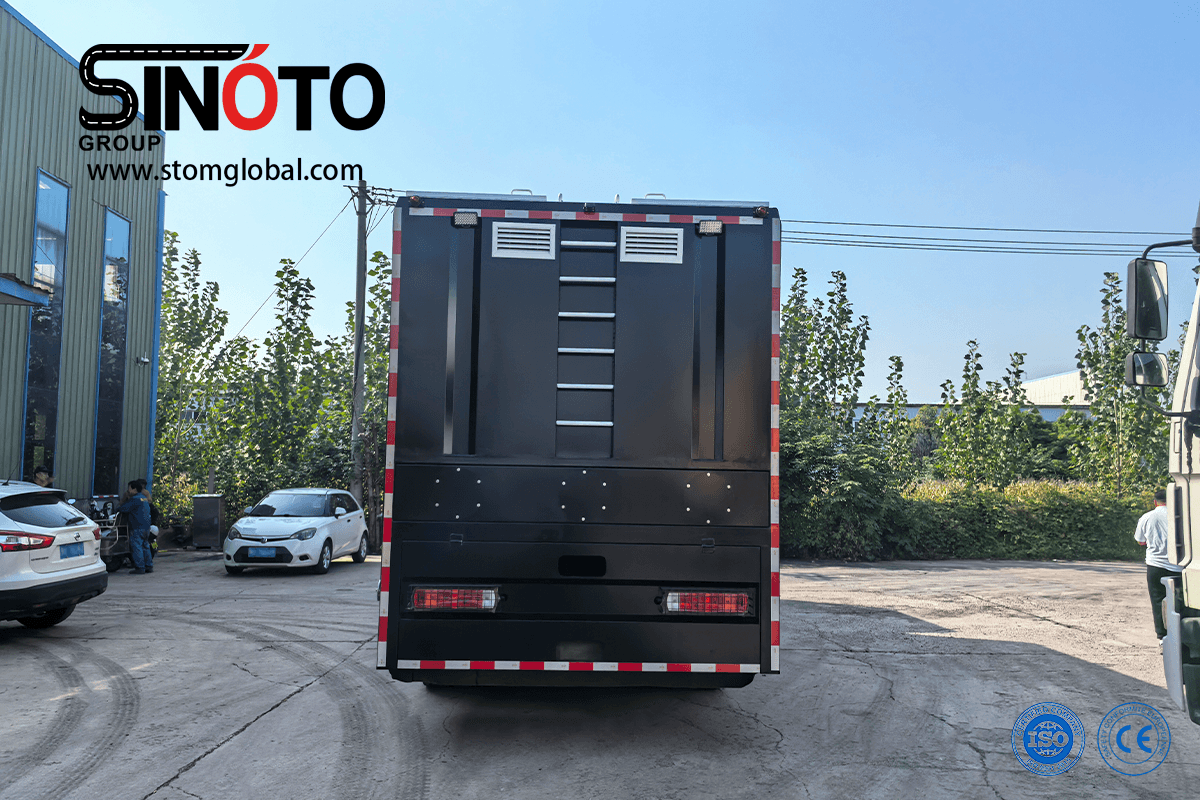
If you’re comparing cement distributor price or evaluating a cement spreader for sale, dust control shouldn’t be assessed in isolation. Ask suppliers about:
A machine with strong dust-control engineering typically commands a higher cement spreader truck price upfront, but the reduction in wasted material, compliance risk, and rework often makes it the lower-cost option over the life of the equipment.
Whether you need a cement spreader truck for soil stabilization, a high-capacity cement spreading machine for highway subgrade work, or a competitive cement distributor price quote, our engineering team can match specifications to your project requirements.
👉 Request a Free Quote for the Cement Spreader Now
#CementSpreader #SoilStabilization #RoadConstruction #CementDistributor #DustFreeSpreading #RoadBaseStabilization

Whatsapp ID: 8619059581045

WeChat ID: +8619059581045

