If you’re comparing cement spreader truck options for a highway, municipal, or subgrade stabilization project, one question comes up again and again from procurement teams and site engineers: does the machine actually prevent material bridging inside the bin? Bridging — where powder clumps and arches over the outlet — is one of the most common causes of uneven spreading, wasted material, and unplanned downtime on a job site. Below, we break down how this cement spreader solves that problem, and what else buyers should evaluate before choosing a cement spreading machine for their fleet.
💬 Buyer Insight: “The single biggest complaint we hear from soil stabilization contractors isn’t spreading width or tank size — it’s material clumping mid-shift and stopping the crew for an hour.” This is exactly the pain point an anti-bridging system is engineered to eliminate.
Yes. This automatic cement spreader is built with a patented arch-breaking device integrated directly into the material bin. Cement, lime, and fly ash are all prone to compacting and forming an “arch” above the discharge outlet, especially in humid conditions or after sitting overnight. Once that arch forms, gravity alone can’t push material through, and output becomes inconsistent or stops entirely.
To prevent this, the bin includes:
This is a meaningful differentiator versus older mechanical powder spreader truck designs, which often rely on manual tapping, secondary augers, or operator guesswork to keep material moving.
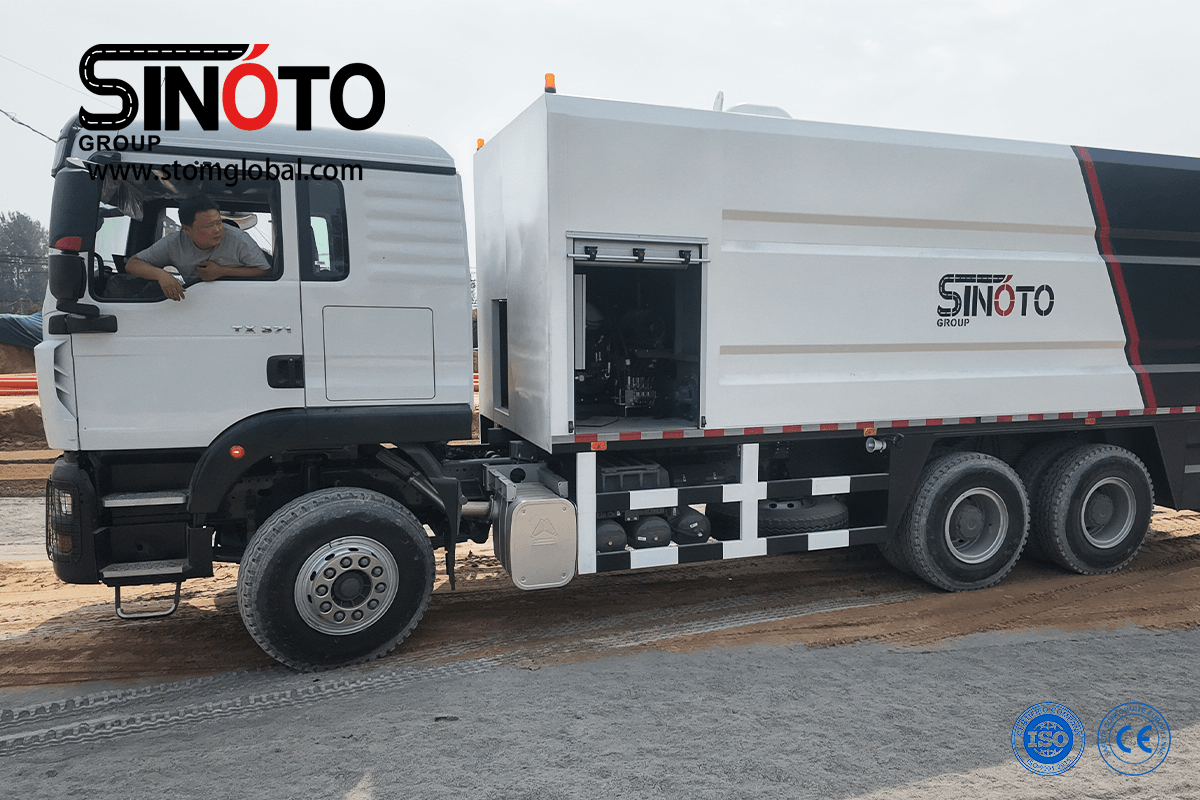
Preventing bridging solves half the problem — the other half is making sure the material that does flow out is applied at a precise, consistent rate. This machine pairs the anti-bridge system with a fully automatic control system and a dedicated weighing module:
For contractors running a soil stabilization cement spreader on tight tolerance specifications, this combination of anti-bridging plus automatic metering is what keeps material waste near zero across a full shift.
This road construction cement spreader was engineered specifically for subgrade and base-layer work — not just generic bulk powder handling. Typical use cases include:
| Application | How the Spreader Is Used |
|---|---|
| Cement-stabilized base courses | Uniform spreading ahead of soil stabilizer and roller passes |
| Road base cement spreader work | Distributing cement or lime prior to compaction on highway subgrades |
| Cold recycling cement spreader projects | Applying cement binder during in-place road recycling |
| Powdered material distribution | Spreading lime, fly ash, and blended stabilizers, not just cement |
| Municipal and rail corridor prep | Foundation treatment on tight urban or rail rights-of-way |
Because it’s also configured as a functional lime spreader truck and fly ash spreader, one machine can cover multiple material types across different project phases — reducing the need to rent or own separate single-purpose equipment.
Dust control matters just as much as spreading accuracy on eco-sensitive or urban sites. The bin is fitted with a bag-filter dust collector and a low-position discharge curtain, so this cement powder spreader operates without generating the visible powder clouds that create both safety and compliance concerns on active sites.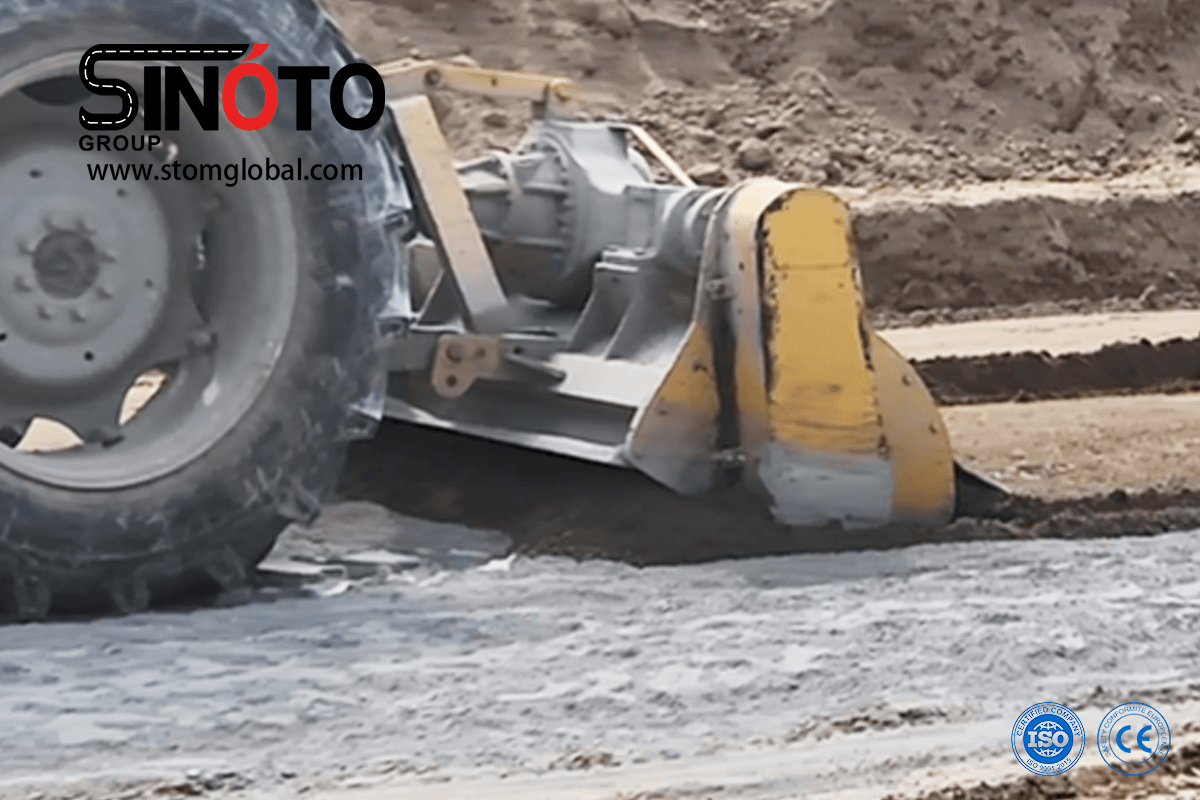
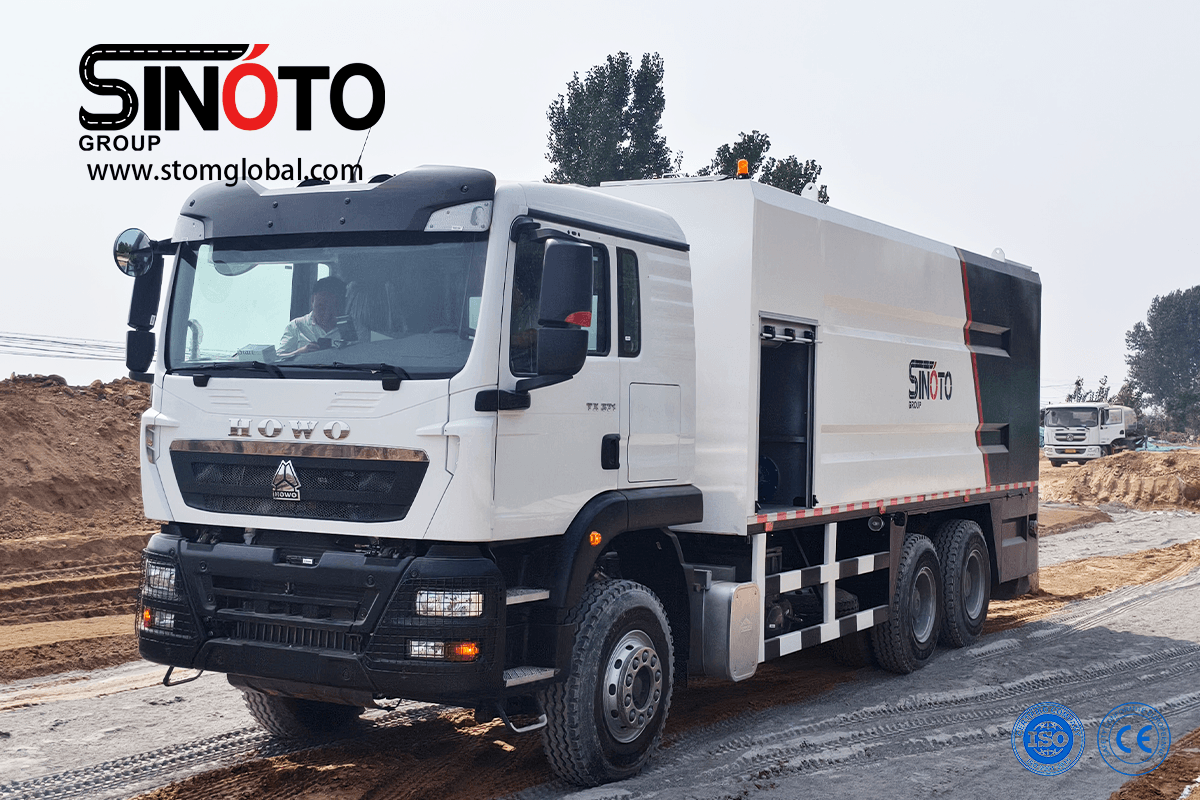
Buyers evaluating a cement distributor truck for their fleet typically compare chassis, capacity, and hydraulic componentry side by side. Here’s the core technical profile:
| Item | Specification |
|---|---|
| Model | HTN5251TFS |
| Chassis | SinoTruck / Shacman (LHD or RHD available) |
| Main Engine | 257 kW (350 hp), Euro V |
| Auxiliary Engine | 74 kW, Euro III |
| Cement Bin Capacity | 18 m³ (15–25 m³ range available) |
| Spreading Capacity | 0.9–60 kg/m² |
| Max. Spreading Width | 2,500 mm |
| Curb Weight / Total Weight | 15 t / 23 t |
| Overall Size (L×W×H) | 9,500 × 2,500 × 4,100 mm |
| Hydraulic Pump & Valve | DANFOSS (USA, imported) |
| Weighing System | ZHONGHANG |
| Conveyor & Measuring System | SINOTO GROUP |
ℹ️ Info: The truck also includes a vehicle networking platform, letting fleet managers monitor construction status, spreading parameters, and job records remotely from a phone — useful for multi-crew operations spread across a highway corridor.
Cement spreader truck price varies based on chassis brand, bin capacity, and control system configuration — automatic weighing and networking features typically sit at the upper end of the range, while simpler mechanical units cost less but sacrifice the anti-bridging and precision-metering advantages described above. When comparing a cement spreader machine for sale, buyers should weigh:
For teams sourcing a cement spreader for sale as part of a larger road maintenance fleet, it’s also worth checking whether the same manufacturer supplies complementary equipment — slurry seal pavers, chip sealers, or bitumen distributors — to simplify parts and service logistics down the line.
If you’re evaluating this cement spreader truck for an upcoming stabilization, base-course, or cold recycling project, our team can walk you through configuration options and current pricing.
#CementSpreader #CementSpreaderTruck #SoilStabilization #RoadConstruction #ConstructionEquipment #PowderSpreaderTruck

Whatsapp ID: 8619059581045

WeChat ID: +8619059581045

