If you’re comparing a cement spreader truck for an upcoming road base or soil stabilization job, the hopper capacity is usually the first number you check — because it decides how many stops you’ll make per shift and how fast your crew moves down the line. This guide breaks down real technical specs, why capacity matters, and the other factors that separate an entry-level unit from a true automatic cement spreader built for continuous operation.
A standard cement spreading machine on a SinoTruck or Shacman chassis (Euro V, 257 kW / 350 hp) carries an 18 m³ cement bin, with manufacturers typically offering configurations from 15 m³ up to 25 m³ depending on chassis size and project scale. Combined with a 2500 mm max spreading width and a spreading rate of 0.9–60 kg/m², that hopper size lets one truck cover a large section of road base without a mid-shift refill.
💬 Field Insight: “Depending on the SinoTruck cement spreader machine specs, we offer tank volumes from 15m³ to 25m³. The standard spreading width is 2500mm, providing a high-capacity solution for bulk powder spreader trucks.”
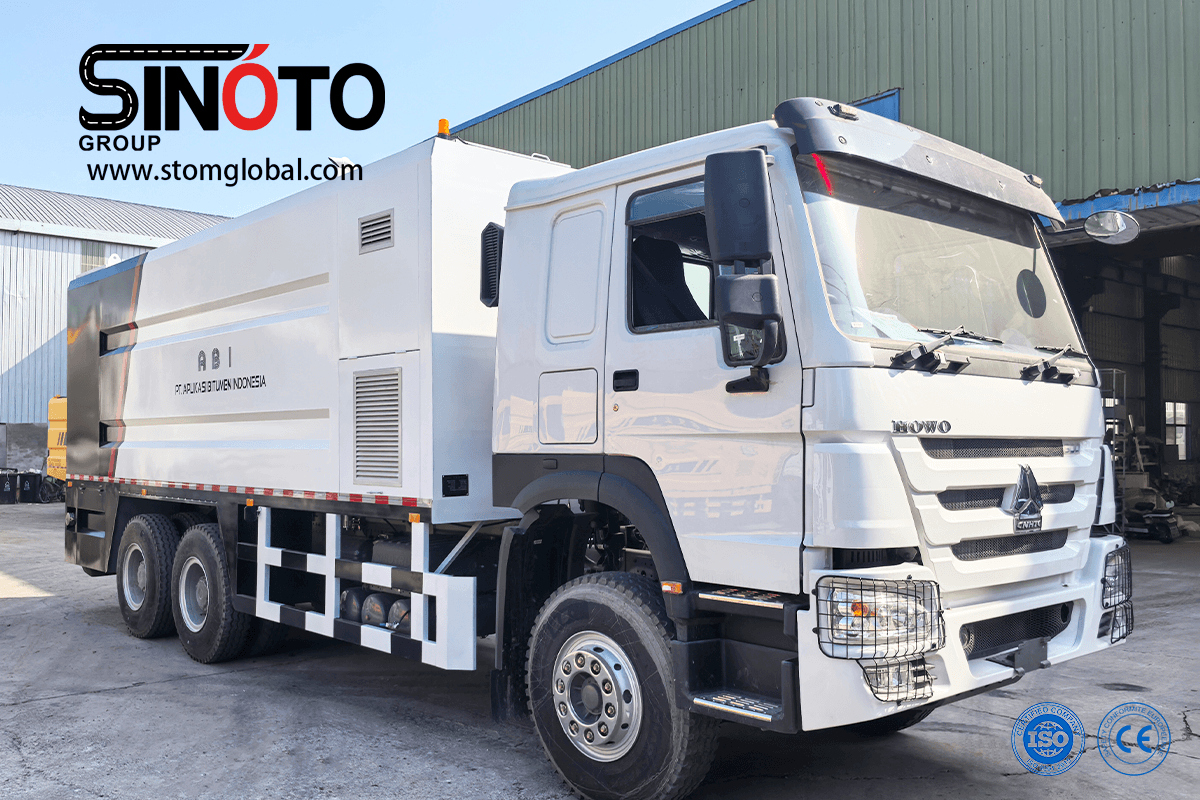
The hopper — or “cement bin” — is the core of any cement distributor truck, and its size is engineered around three things: axle load limits, spreading width, and how often the crew wants to reload. Here’s a snapshot of a typical mid-size unit:
📊 Technical Parameter Table
| Item | Parameter | Why It Matters |
|---|---|---|
| Cement Bins Capacity | 18 m³ | Determines runtime between reloads |
| Spreading Capacity | 0.9–60 kg/m² | Adjustable dosage for different base layers |
| Max. Spreading Width | 2500 mm | Fewer passes across a lane |
| Engine Power | 257 kW (350 hp) | Handles full-load hauling and hydraulics |
| Curb Weight / Total Weight | 15 t / 23 t | Confirms road-legal axle distribution |
| Overall Size (L×W×H) | 9500×2500×4100 mm | Fits standard transport and site access |
ℹ️ Quick Tip: Larger hopper volume isn’t always “better.” A cement spreader machine for sale with an oversized bin on an underpowered chassis can violate axle-load regulations. Match capacity to your typical daily tonnage, not just the biggest number on the spec sheet.
Hopper size only matters if the material comes out evenly. This is where a fully automatic cement spreader with an onboard weighing system earns its keep. Instead of relying on gate height and truck speed — which is how older mechanical units work — the system takes a target dosage (kg/m²) entered on a touchscreen and manages discharge automatically.
🔧 This level of precision matters most on cement-stabilized base courses, where uneven dosage creates weak spots in the finished pavement. A cement powder spreader with automatic control also reduces material waste — a meaningful saving when cement is priced by the ton.
Powder handling is inherently dusty, and that’s a real problem near residential areas, schools, or environmentally sensitive sites. Modern soil stabilization cement spreader units address this with a bag-filter dust collector and a low-position discharge curtain that keeps the spreading zone close to the ground, cutting airborne dust significantly compared to open-chute designs.
This isn’t just an environmental checkbox — it’s often a contract requirement. Municipal and highway authorities increasingly specify dust-free equipment for soil stabilization equipment tenders, so a machine without proper containment can disqualify a bid before pricing is even discussed.
Other design details that support clean, reliable operation:
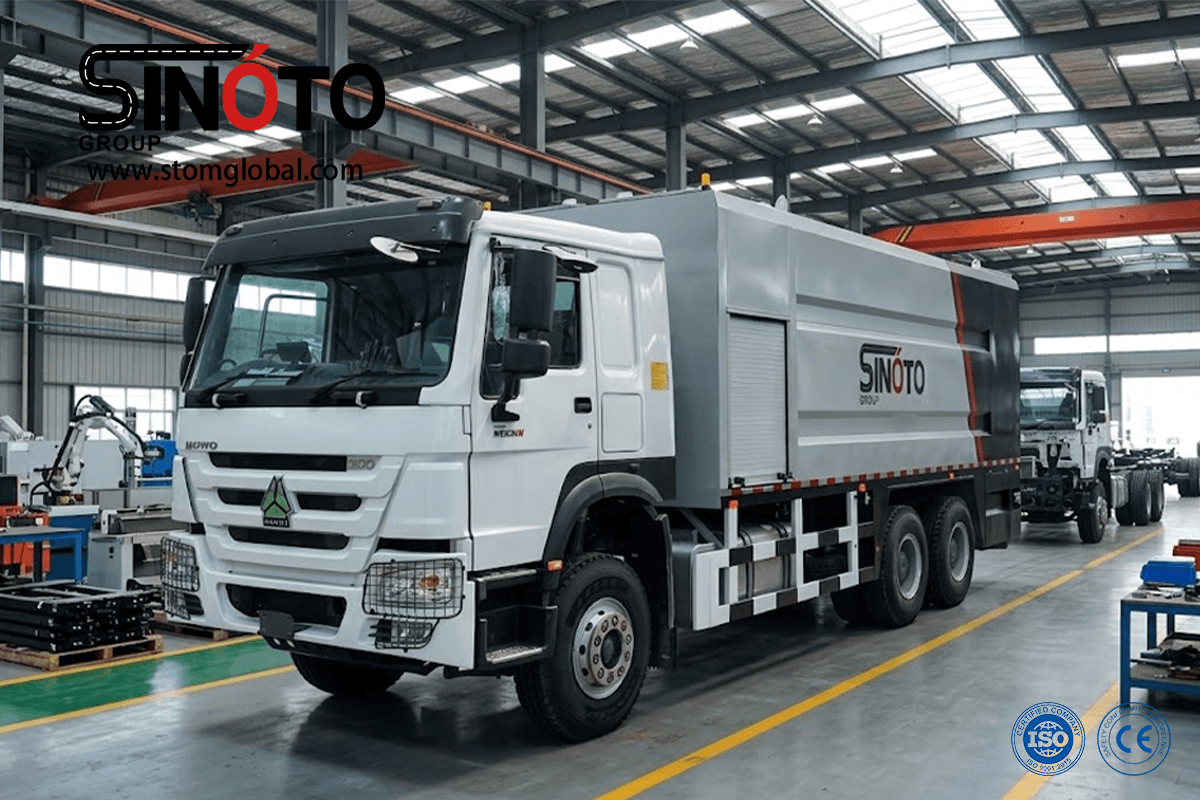
Capacity and dust control aside, the real test of a road construction cement spreader is versatility across different material types and project phases. The same chassis platform is typically rated for:
Because the metering system handles multiple powder densities without recalibration, one machine can rotate between these applications rather than sitting idle between specialized jobs — a meaningful factor when justifying cement spreader truck price against utilization rate.
When comparing a cement spreader for sale, hopper size is one of several cost drivers, alongside chassis brand, hydraulic components, and automation level. Buyers evaluating a cement spreader machine for sale should weigh:
| Factor | Impact on Price | Impact on Operation |
|---|---|---|
| Bin capacity (15–25 m³) | Higher capacity = higher upfront cost | Fewer reloads, higher daily output |
| Weighing/automation system | Adds cost | Improves accuracy, cuts material waste |
| Chassis brand (SinoTruck/Shacman) | Affects base price and parts availability | Affects reliability and resale value |
| Imported hydraulics (e.g., Danfoss) | Adds cost | Longer service life, smoother control |
ℹ️ Buying Tip: Ask suppliers for the spreading capacity range (kg/m²) alongside hopper volume — a smaller bin with a wider effective dosage range can sometimes outperform a bigger tank with a narrow calibration window.
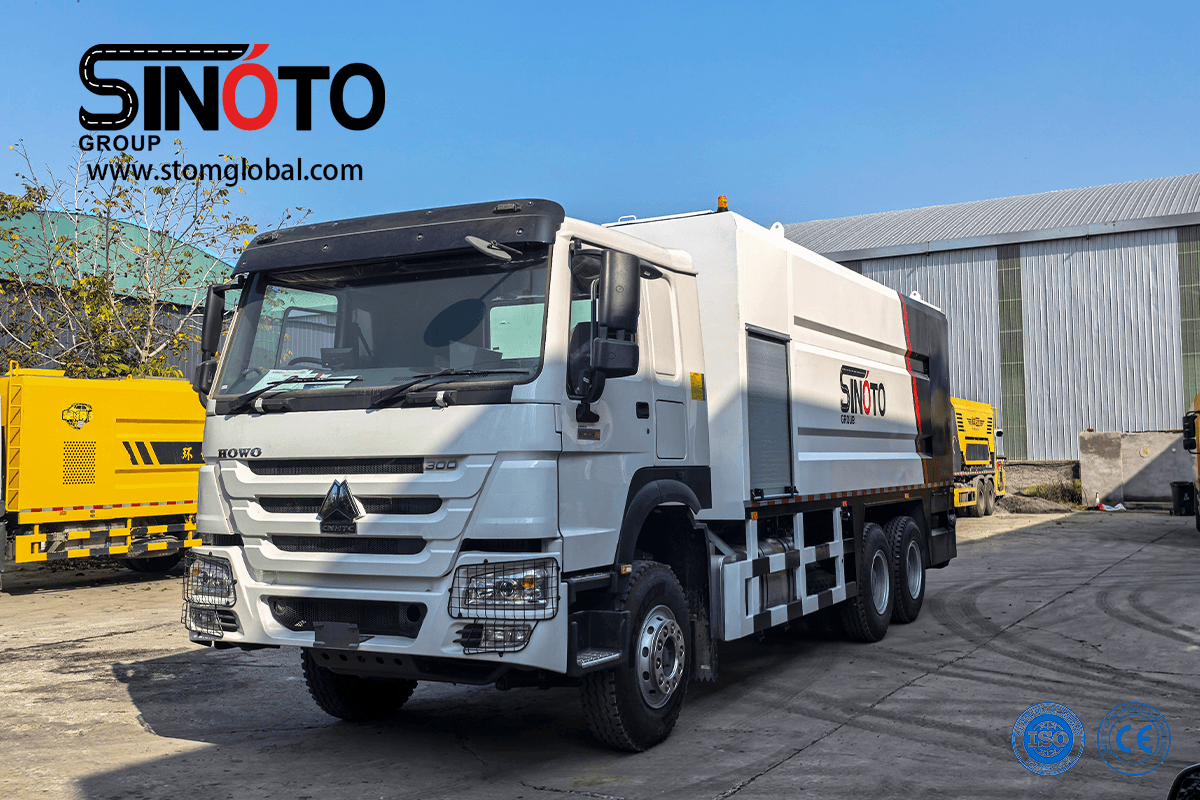 Ready to Compare Specifications and Pricing?
Whether you need a 15 m³ unit for smaller municipal jobs or an 18–25 m³ automatic cement spreader for continuous highway base work, matching hopper capacity to your project scale is the first step toward the right purchase decision.
👉 Request a Free Quote and Full Spec Sheet
#CementSpreader #SoilStabilizationEquipment #RoadConstructionEquipment #CementSpreaderTruck #HeavyEquipment #ConstructionMachinery

Whatsapp ID: 8619059581045

WeChat ID: +8619059581045

