For any contractor or plant owner sourcing a bitumen drum melting machine, two questions dominate the buying decision: what heats the drums, and how much fuel or electricity will it burn per ton of asphalt recovered? These two factors decide payback period more than almost any other spec on the datasheet. This guide breaks down the heating architecture used in a modern bitumen drum decanter, the realistic energy consumption per ton of melted bitumen, and what separates an efficient bitumen drum heating machine from an outdated open-flame kettle.
💡 Quick answer: Most industrial-grade bitumen drum melters use indirect thermal oil heating powered by a diesel, gas, or heavy-oil burner — not direct fire and not electric resistance. Typical total installed power runs 9.5–20.5 kW across a 4–15 ton/hour range, with the burner (not the electric motors) supplying the bulk of the actual heat energy.
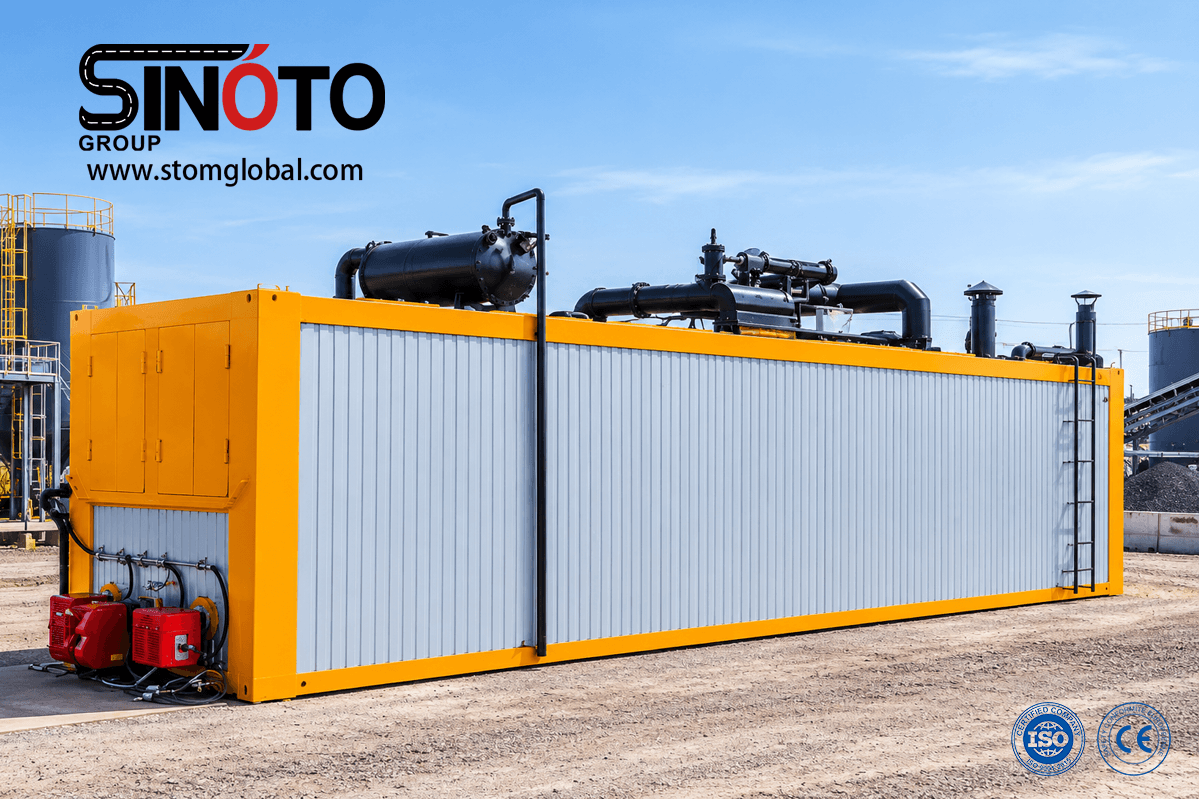
There are three heating methods found across the asphalt drum decanter market:
⚙️ On the unit reviewed here, the heating type is listed as Diesel/Gas Burner Heating or Thermal Oil Heating Furnace, meaning the buyer can specify either an integrated burner (diesel, gas, or heavy oil) or connect the decanter to an existing thermal oil boiler already on site. This flexibility matters for buyers who already operate a boiler for an asphalt mixing plant and want to avoid installing a second heat source.
“Indirect thermal oil heating avoids open-flame contact with the bitumen entirely, which is the single biggest safety differentiator between a modern bitumen decanter and a legacy drum-melting kettle.” — common engineering rationale cited across bitumen-processing equipment manufacturers.
The advantage of thermal oil over direct fire is threefold: it eliminates localized hot spots that cause bitumen carbonization, it removes the open-flame ignition risk around volatile fumes, and it allows the temperature to be held within a tight, automatically controlled band — typically bringing bitumen to its pumping temperature of 120–160°C without overheating the material’s binder properties.
This is the number buyers actually want, and it’s also the hardest one to standardize, because fuel consumption per ton depends on four variables:
📊 That said, published specifications give a usable proxy. The table below shows the electric load (motors, hydraulics, controls — not the burner fuel itself) across four capacity tiers of a typical bitumen drum decanter:
| Model | Capacity (t/h) | Barrels per Batch | Bitumen Pool Volume (m³) | Total Electric Power (kW) | Approx. Electric Load per Ton |
|---|---|---|---|---|---|
| DT-4 | 4–5 | 30 | 14 | 9.5 kW | ~2.1 kWh/t |
| DT-6 | 6–8 | 40 | 17 | 18.5 kW | ~2.6 kWh/t |
| DT-10 | 8–10 | 44 | 18 | 20.5 kW | ~2.3 kWh/t |
| DT-12 | 12–15 | 60 | 22 | 20.5 kW | ~1.5 kWh/t |
⚠️ These figures cover only the electrical side — pumps, hydraulic tilting arms, conveyors, and control systems. The thermal energy that actually melts the bitumen comes from burner fuel (diesel, gas, or heavy oil), and manufacturers generally don’t publish a single universal fuel-per-ton figure because it swings with ambient conditions and bitumen grade. As a practical benchmark, most thermal-oil bitumen decanters in this capacity range report melting one 200 kg drum in roughly 40–60 minutes at full operating temperature, which buyers can use to back-calculate expected fuel draw against their local diesel or gas pricing.
🔥 If energy cost per ton is your top priority, ask the supplier for a fuel-consumption test report at your specific ambient temperature and bitumen grade — reputable manufacturers of a bitumen drum melter for sale will have this data from factory testing.
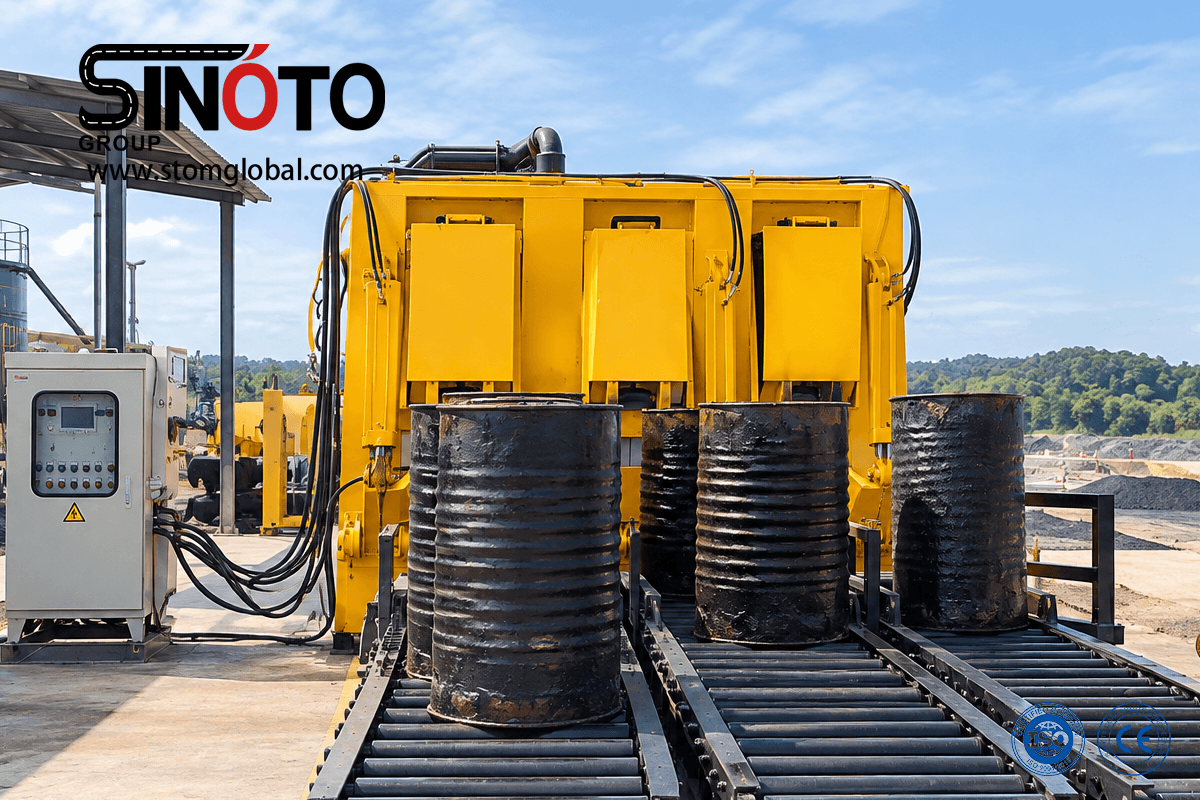
Beyond the heating method itself, three engineering features consistently show up as the deciding factors when a buyer compares one bitumen decanter machine for sale against another:
Energy efficiency on a bitumen drum heating machine for sale isn’t only about the heat source — it’s also about how little heat escapes once it’s generated:
The honest comparison buyers should make isn’t “thermal oil vs. electric” — it’s “indirect heating system vs. open-flame kettle,” since almost no serious commercial asphalt drum melter on the market today runs on pure electric resistance at scale. Against a traditional open-flame kettle, a modern thermal-oil bitumen drum melting machine for sale typically offers:
| Factor | Open-Flame Kettle | Thermal Oil Bitumen Drum Decanter |
|---|---|---|
| Fire/explosion risk | High — direct flame near fumes | Low — indirect heat transfer |
| Temperature control | Manual, prone to hot spots | Automatic, PLC-regulated |
| Bitumen quality preservation | Risk of localized carbonization | Uniform heating, less aging |
| Throughput | Batch, labor-intensive | Continuous, hydraulic feed |
| Operator exposure | High (manual barrel handling) | Low (enclosed, automated) |
For buyers comparing a bitumen drum melting machine for sale across suppliers, the request-for-quote should always specify: expected daily drum volume, bitumen penetration grade, local ambient temperature range, and whether an existing thermal oil boiler is available on site — all four directly affect both the heating configuration you need and the realistic fuel cost per ton you should budget for.
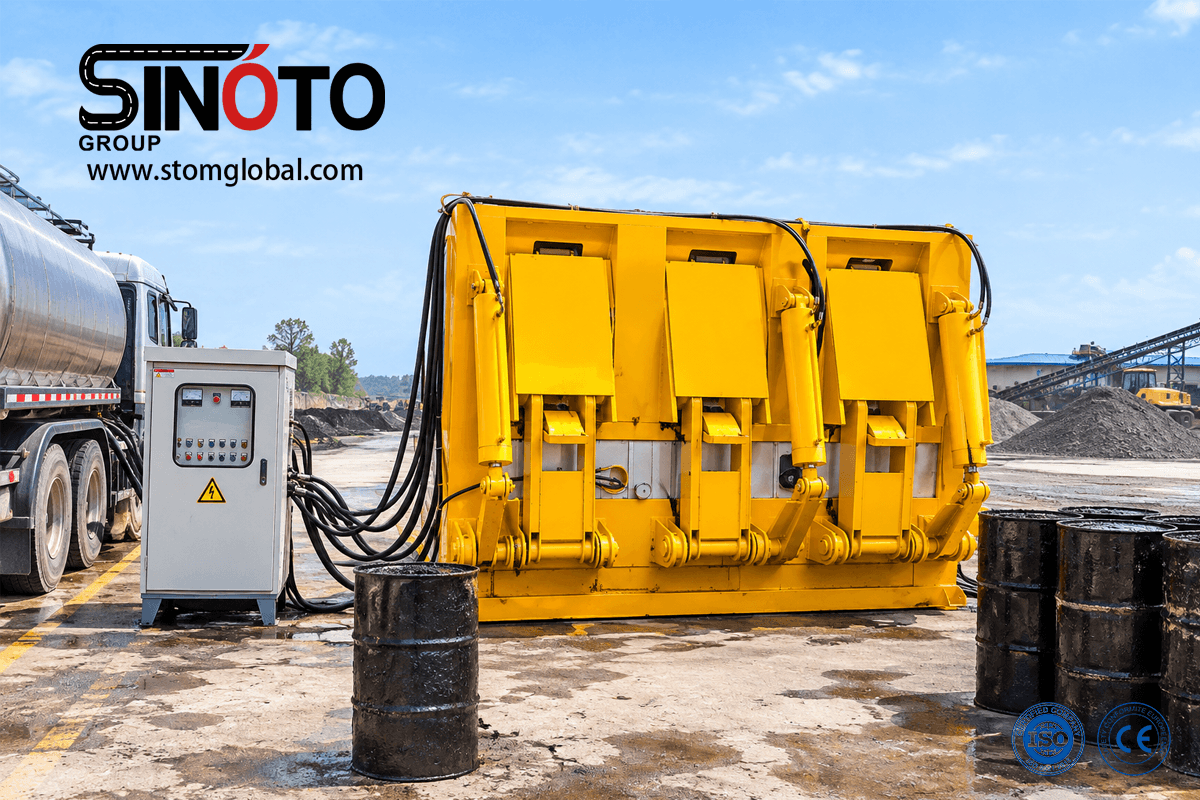
Whether you’re comparing an asphalt drum decanter, a standalone bitumen drum heater, or a full bitumen melting machine line for a new asphalt plant, the heating source and its per-ton energy draw should be the first two numbers on your specification sheet — not the last.
👉 Request a Free Quote for Your Bitumen Drum Melting Machine — get model-specific fuel and power consumption data matched to your capacity and site conditions.

Whatsapp ID: 8619059581045

WeChat ID: +8619059581045

