When a road contractor or plant owner is comparing an asphalt drum decanter against traditional open-flame drum heating, one question always comes up first: once the bitumen inside the barrel liquefies, how does it actually get out and into your storage tank? It’s not a small detail — the transfer mechanism determines whether your crew is dealing with clean, continuous output or a slow, leak-prone bottleneck.
This article breaks down exactly how a modern Bitumen Drum Melter extracts, heats, and pumps bitumen, and why the answer to that single engineering question tells you almost everything you need to know about equipment quality, safety, and long-term operating cost.
💡 Quick Answer: In a properly engineered bitumen melter, molten asphalt drains by gravity from the tilted drum into an internal heated bitumen pool, where it’s brought up to pumping temperature (typically 120–160°C) and then discharged through an integrated asphalt transfer pump into a storage tank or tanker — with no manual ladling, siphoning, or open-flame exposure involved.
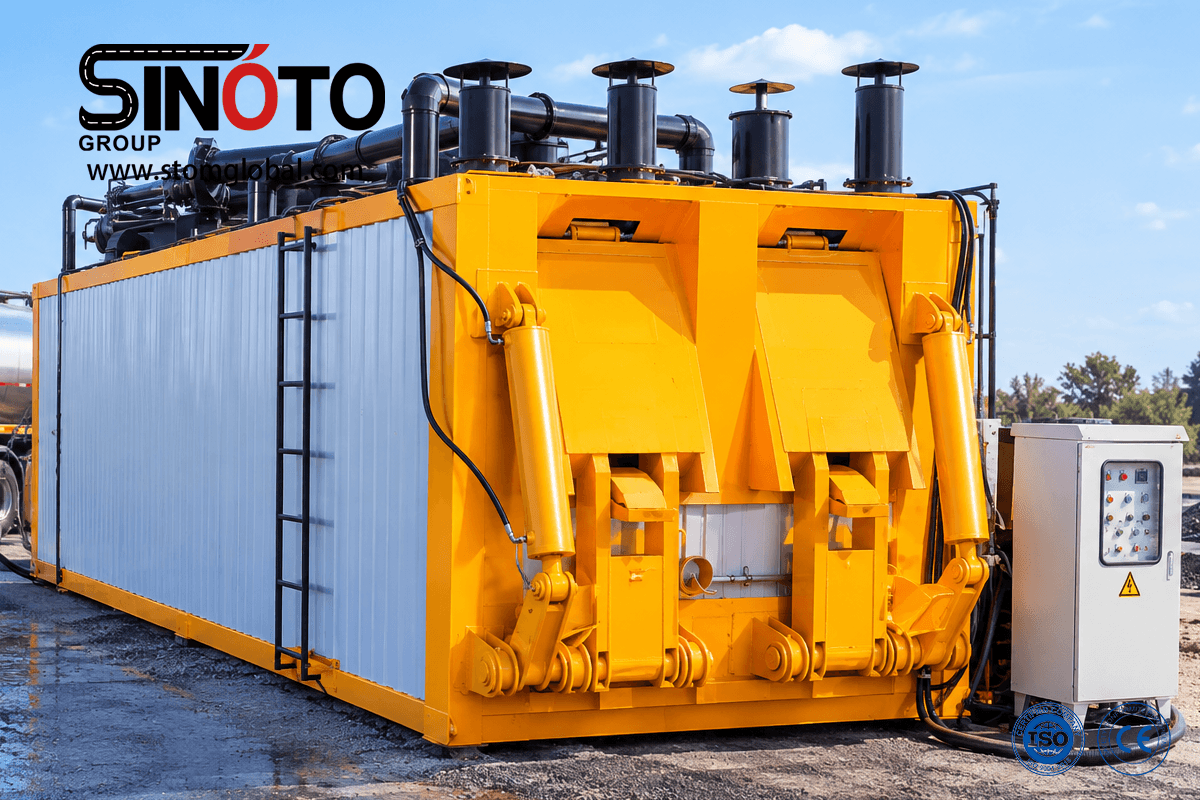
A Bitumen Melting Unit is built to solve one specific problem: bitumen shipped and stored in 200L steel barrels hardens at ambient temperature and needs to be reliquefied before it can be pumped into a mixing plant, distributor truck, or storage tank. Doing this with open flames or manual labor is slow, dangerous, and wastes material through scorching and spillage.
The typical operating sequence looks like this:
This continuous-feed design is what separates an industrial-grade asphalt drum melter from a converted oil drum with a burner underneath it. It’s also the core reason manufacturers position this equipment as Bitumen Melting Equipment for Sale to contractors running high-volume paving or plant operations rather than small one-off jobs.
This is the buyer-critical question, and the mechanism matters more than most spec sheets let on.
Once bitumen inside the barrel softens and drains into the machine’s internal bitumen pool, it isn’t yet at a viscosity that’s safe or efficient to pump — pumping bitumen that’s too cool risks clogging lines and stressing the pump; pumping it too hot risks oxidation and fume generation. That’s why a well-designed barrel bitumen melter separates the process into two distinct heating stages: drum-side melting, and pool-side temperature stabilization.
Only after the bitumen in the pool reaches a stable 120–160°C is it routed to the integrated asphalt pump, which transfers it out through insulated piping to your storage tank, distributor truck, or plant feed line. On the STOM Global unit referenced here, this stage is engineered around:
📊 Data point: Across the DT-series lineup, Bitumen Output Flow ranges from 9.8 m³/h on the DT-4 up to 19 m³/h on the DT-12 — meaning the pump-out stage, not just the melting stage, scales directly with your throughput requirements.
If a supplier can’t clearly explain their transfer mechanism — heat exchange method, pump type, target discharge temperature — that’s a signal the machine may rely on manual or semi-manual extraction, which defeats the purpose of buying an Industrial Bitumen Decanter in the first place.
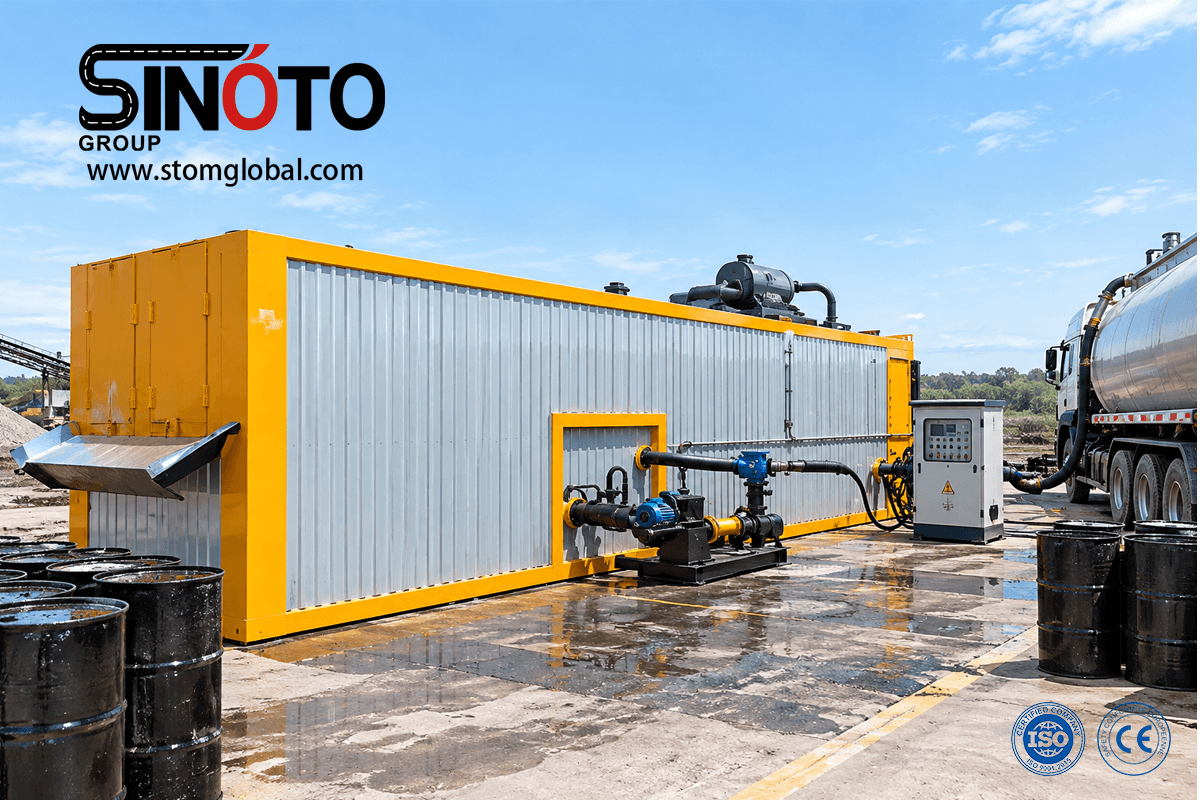
Buyers researching a bitumen melting machine price are usually comparing it against the “cheap” alternative: cutting barrels open and melting them over an open flame or in a simple heated box. The math rarely favors the manual route once you account for labor, fuel waste, and lost material.
| Factor | Manual/Open-Flame Melting | Industrial Bitumen Decanter |
|---|---|---|
| Heating method | Direct open flame | Indirect thermal oil / enclosed burner |
| Fire & explosion risk | High | Low — automatic temp/pressure alarms |
| Labor required | Continuous manual handling | Hydraulic auto-feed, one-touch PLC control |
| Melting time per drum | 1.5–3+ hours, inconsistent | 40–60 minutes with thermal oil coil |
| Output increase | Baseline | 30–50% higher vs. traditional methods |
| Damaged/deformed drums | Often unusable | Handled via robust hydraulic pushing system |
| Emissions handling | None | Optional exhaust gas filtration for blue smoke |
Key selling points worth weighing before you buy:
There’s no single number for bitumen decanter price because output capacity, heating system, and container-shipping compatibility all move the cost up or down. What buyers should actually compare is capacity-to-cost ratio across models, since a machine that’s oversized for your volume wastes capital, and one that’s undersized bottlenecks your paving schedule.
| Model | Capacity (t/h) | Barrels per Cycle | Bitumen Pool Volume | Total Power |
|---|---|---|---|---|
| DT-4 | 4–5 | 30 | 14 m³ | 9.5 kW |
| DT-6 | 6–8 | 40 | 17 m³ | 18.5 kW |
| DT-10 | 8–10 | 44 | 18 m³ | 20.5 kW |
| DT-12 | 12–15 | 60 | 22 m³ | 20.5 kW |
A few practical notes that affect final pricing:
“The equipment features centralized control or a PLC control system for one-touch start-up and simple operation. Its compact structure design facilitates movement, installation, and maintenance.” — manufacturer product specification
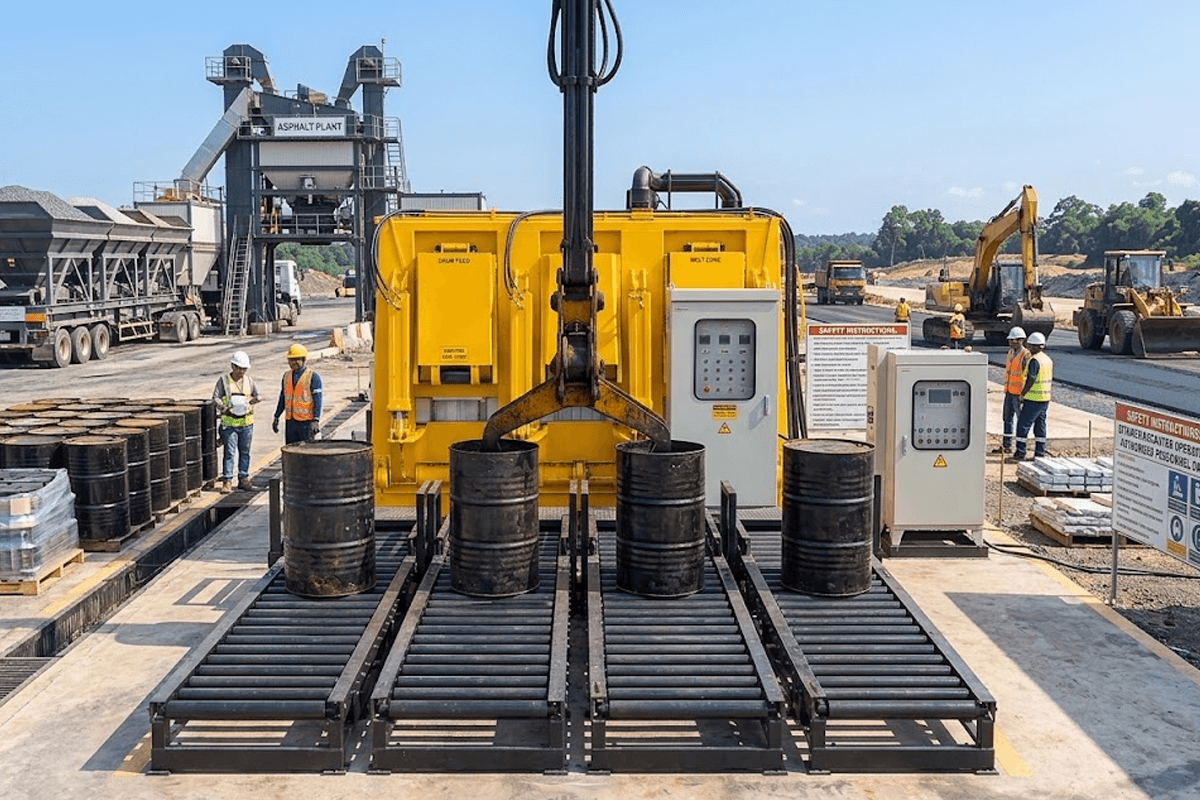
For contractors and distributors sourcing equipment internationally, the decision to buy bitumen decanter equipment usually comes down to three practical questions: Can it survive overseas shipping intact? Can it handle the drum condition you’re working with? And does the manufacturer stand behind the transfer/pumping performance, not just the melting claim?
Look for these buyer-protection signals before committing:
If you’re comparing bitumen melting machine price options across capacities, or need a barrel bitumen melter sized for your daily paving volume, the fastest way to get accurate numbers is a direct technical consultation.

Whatsapp ID: 8619059581045

WeChat ID: +8619059581045

