Choosing between an intelligent and a manual bitumen distributor truck is one of the biggest equipment decisions a road maintenance contractor makes. Both machines heat, carry, and spray liquid binder for prime coats, bonding layers, fog seals, and chip seals. The real difference lies in how precisely each one controls every liter that reaches the pavement. This guide compares the two designs from a buyer’s point of view, using the specifications of the STOM Global bitumen distributor range, so you can judge accuracy, productivity, safety, and cost before you ask for an asphalt distributor price.
| 🎯±1.5%Spray volume error with real-time correction | 📡RadarFlow rate matched to driving speed | 🔥Thermal OilHeats nozzles, pipes, and pumps | 🛢️4,000–20,000 LBitumen tank range |
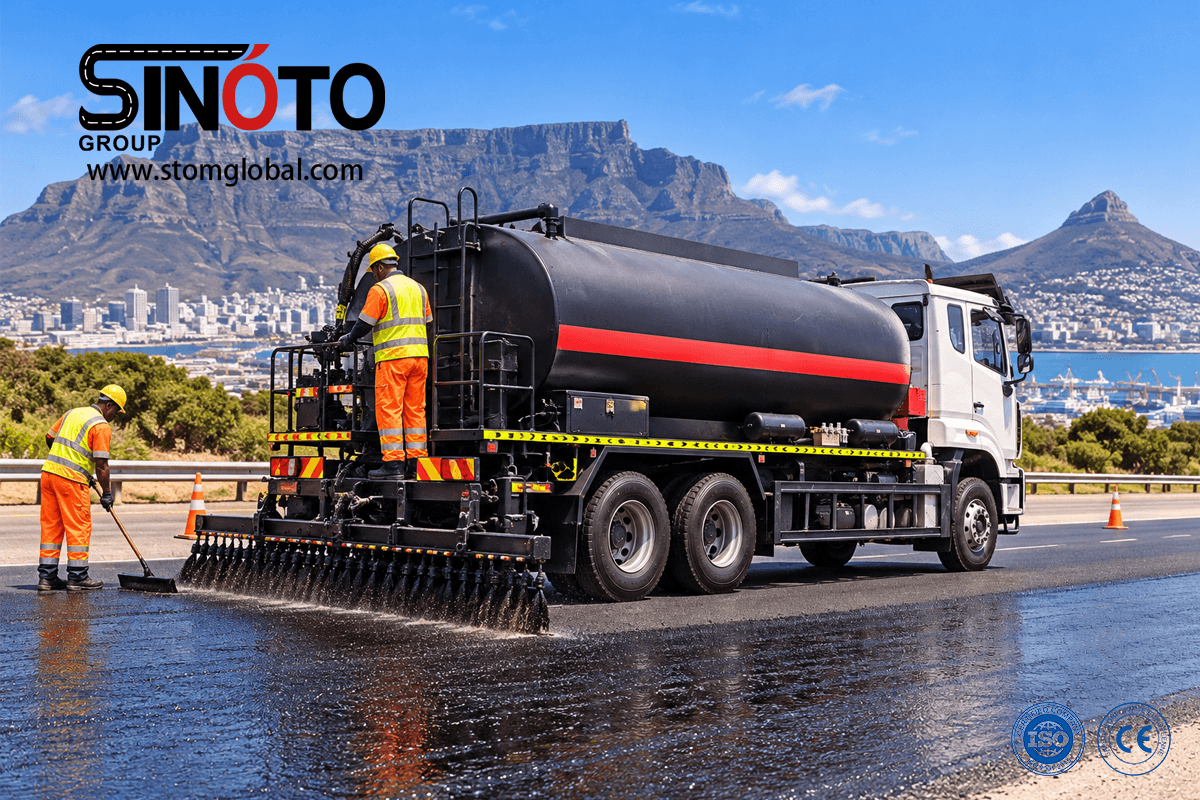
A manual unit puts the quality of every pass in the driver’s hands. The operator sets pump speed and valve opening, then tries to hold a steady travel speed. Because the spray rate is tied to how fast the truck moves, any slowdown or surge changes how much binder lands on each square meter.
An intelligent bitumen pressure distributor removes most of that guesswork. An industrial computer and a radar speed-sensing system automatically calculate the flow rate to match the driving speed, so each square meter receives the amount of asphalt that was programmed. Real-time parameter correction keeps spray volume error within ±1.5%, and an IDEC PLC control system manages the process.
Two more features separate the designs. First, an independent auxiliary engine lets the intelligent unit spray from zero speed, so starts, stops, and turns no longer leave gaps. Second, nozzle combinations can be customized through the industrial computer, which changes the spray width without mechanical rework. Importantly, STOM units keep a manual/automatic switch for individual nozzles, operable from the cab or the rear platform, so crews are never locked out of manual control.
| Feature | Manual Distributor | Intelligent Distributor |
|---|---|---|
| Flow control | Operator sets pump and valve by hand | Computer matches flow to radar-measured speed |
| Spray volume accuracy | Depends on driver skill and steady speed | Error limited to ±1.5% with real-time correction |
| Low-speed spraying | Rate drifts when speed changes | Independent auxiliary engine sprays from zero speed |
| Nozzle management | Manual valves | Auto or manual per nozzle, from cab or rear platform |
| Operator skill needed | High | Moderate, parameters entered once |
| Binder waste risk | Higher | Lower |
| Best for | Small, occasional jobs | Highway, municipal, and large maintenance programs |
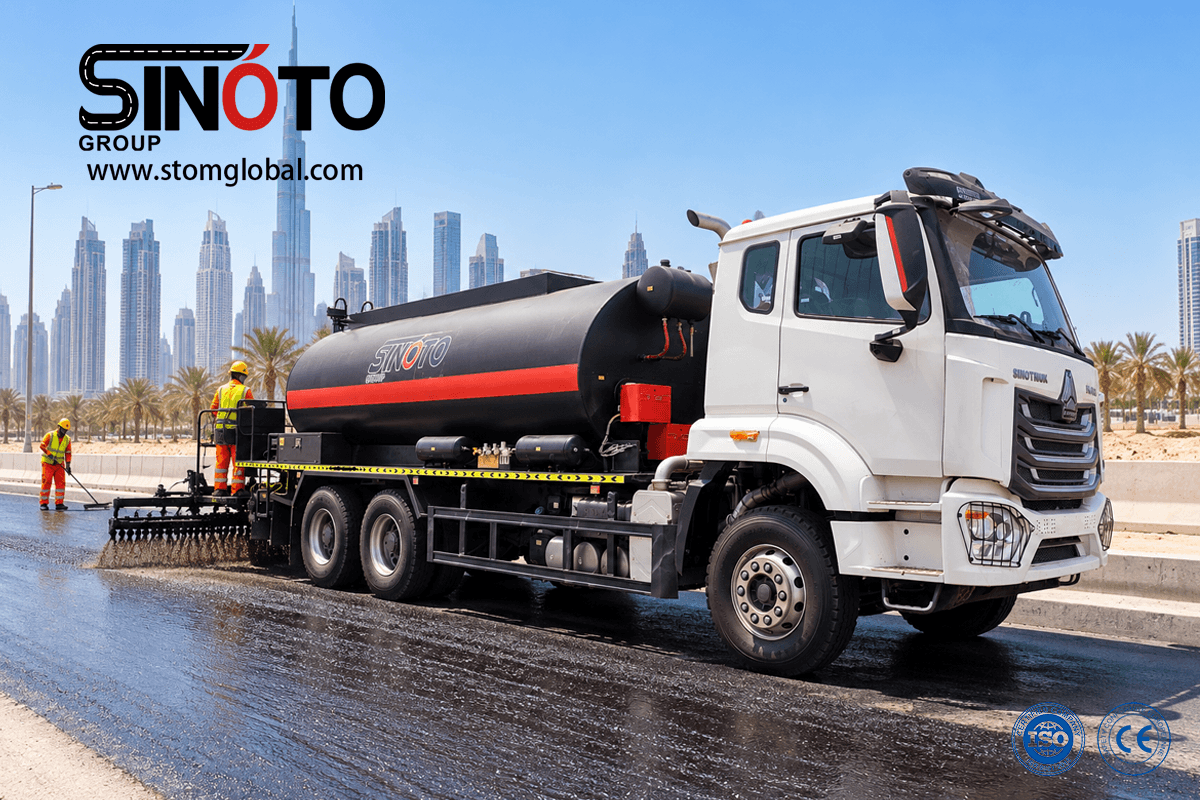
Binder rate decides whether a seal coat bonds or fails. Too much bitumen causes bleeding and wasted material, while too little leaves weak bonding, raveling, and early cracking. For contractors running highway and municipal programs, accuracy is a direct cost factor, not a cosmetic feature.
A modern asphalt distributor truck protects accuracy in several ways:
These features matter most on intelligent models, because a computer can only deliver an accurate rate if the binder is hot, fluid, and free of blockages.
Field conditions add another layer. Crews often work at night, in traffic, or on remote roads where help is far away. Night lighting, warning lights, and tire sprayers that stop bitumen sticking to the wheels reduce hazards for operators and nearby drivers. A cab with air conditioning also reduces fatigue over long shifts, and fatigue is a hidden cause of uneven spraying on manual jobs. Simple, repeatable controls help new operators reach consistent results faster, which shortens training time and lowers the risk of costly mistakes during the first weeks on site.
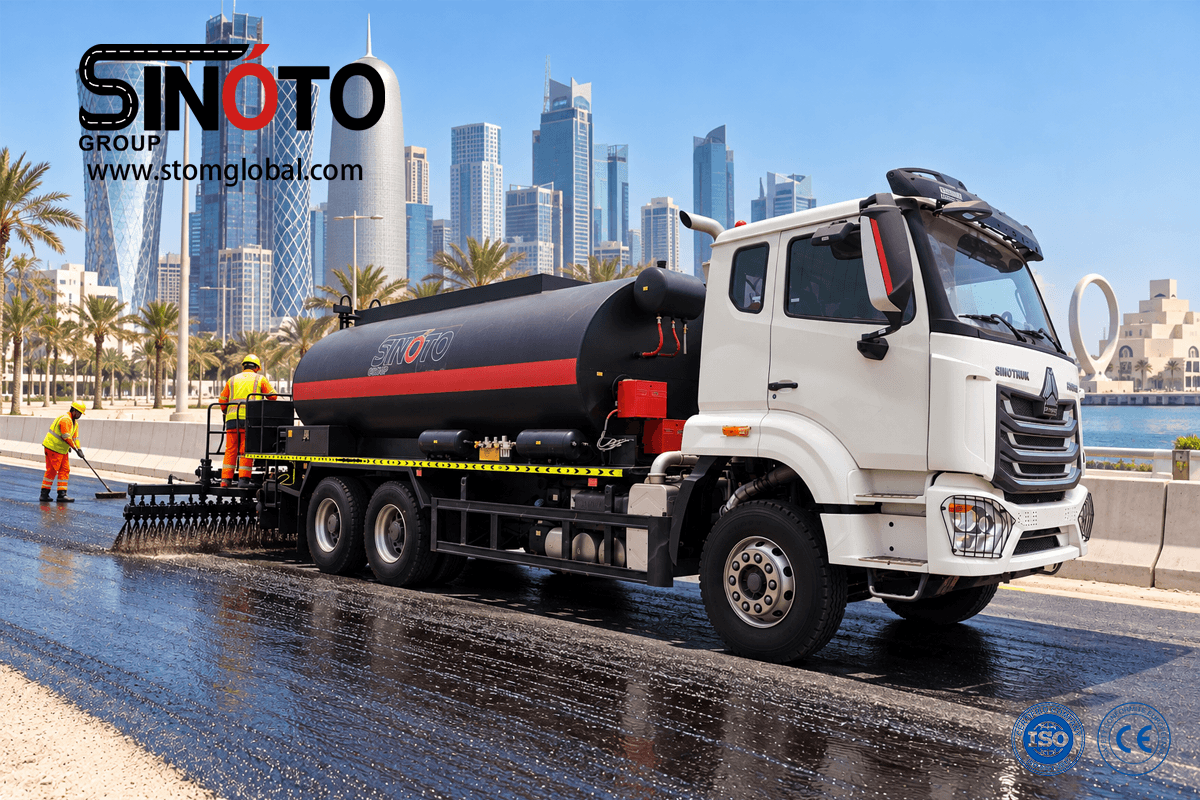
Start with tank size and spray width, then look at the components. The STBD series lists tank capacities from 6,000 to 15,000 liters on SinoTruck, Shacman, Dongfeng, or FAW chassis.
| Model | Tank | Chassis | Nozzles | Spray Width |
|---|---|---|---|---|
| STBD-6000 | 6,000 L | 4×2 | 28 | 1.2–4 m |
| STBD-8000 | 8,000 L | 4×2 | 28 | 1.2–4.5 m |
| STBD-10000 | 10,000 L | 4×2 / 6×4 | 32 | 1.2–4.5 m |
| STBD-12000 | 12,000 L | 6×4 | 32 | 1.2–4.5 m |
| STBD-15000 | 15,000 L | 6×4 | 32 | 1.2–4.5 m |
The 6000L bitumen distributor is typically chosen for narrower roads and shorter work cycles. The 8000L asphalt distributor adds capacity and a wider 4.5 m bar while keeping the same 28-nozzle layout, and the 10,000 L and above versions move to 32 nozzles for long highway runs. A 28 nozzle asphalt sprayer bar paired with computer-controlled nozzle combinations gives flexible coverage without changing hardware.
Also check these points before you sign:
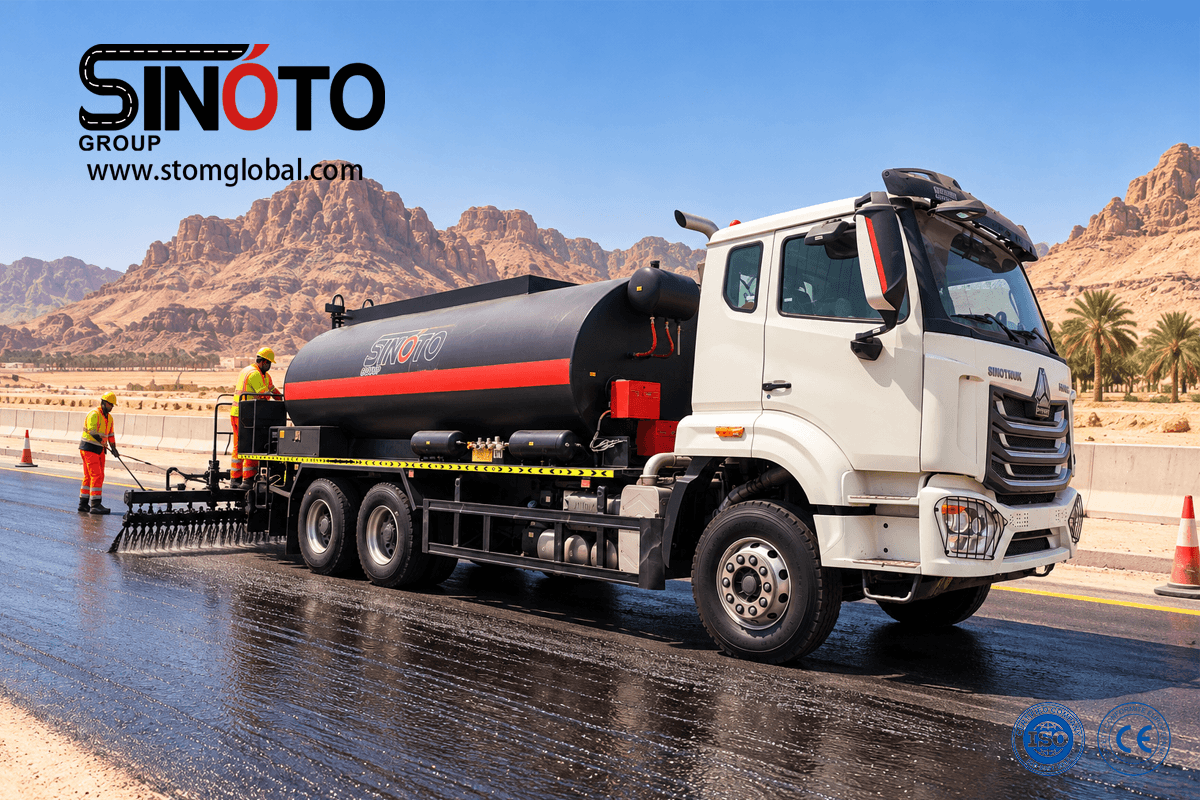
An intelligent unit usually carries a higher purchase figure than a manual one, because of the industrial computer, radar sensing, and premium components. Still, bitumen distributor price should be judged over the life of the machine. Savings come from less wasted binder, fewer rework passes, lower dependence on highly experienced drivers, and fewer blocked nozzles.
The final asphalt distributor price depends on tank capacity, chassis brand and drive type, nozzle count, and control level. When you ask a supplier about a bitumen distributor truck for sale, send these details so the quotation is comparable:
A reliable asphalt sprayer manufacturer does more than ship a truck. Henan Sinoto Machinery, which markets under STOM Global, is a manufacturer and global supplier of asphalt machinery and road construction equipment. As an asphalt distributor manufacturer, it offers customized 4×2, 6×4, and 8×4 chassis options, and its self-heating models keep binder at temperature during long transfers to remote sites.
So what is the difference? A manual unit depends on the driver, while an intelligent unit depends on data. If your projects demand repeatable accuracy, less waste, and consistent results across crews, an intelligent asphalt sprayer with manual override is the safer long-term investment.
Ready to compare configurations and get a tailored quotation?
Request a Free Quote for Your Bitumen Distributor Truck →
Whatsapp ID: 8619059581045

WeChat ID: +8619059581045

