💡 Quick Answer: A mobile asphalt batching plant is built as several pre-assembled semi-trailer units. The YLB1000 needs at least 3 units and the YLB2000 at least 4. A tractor unit tows each one in line with road transportation regulations. On arrival, the site needs only simple leveling, positioning and pipeline connections before commissioning.
For contractors on mountain highways, rural roads or short-term maintenance contracts, capacity is not always the first question when buying an asphalt mixing plant. Often the first question is logistics: how does the equipment reach the job? A mobile plant answers this by moving the “factory” next to the construction site instead of hauling hot mix over long distances. This guide explains how transportation works, what buyers should check, and how the mobile models from SINOTO (HENAN SINOTO MACHINERY TECHNOLOGY CO., LTD.) keep relocation simple.
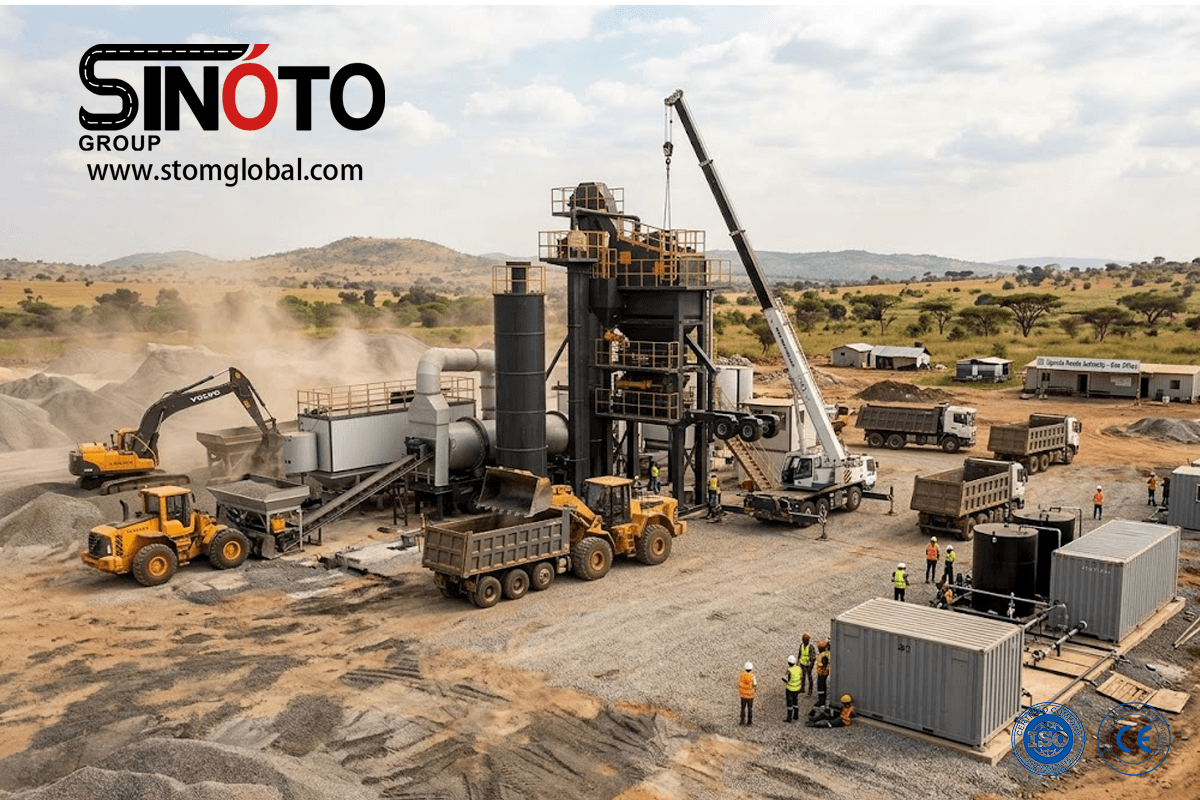
When you compare any asphalt mixing plant for sale, “mobile” should mean more than “smaller.” A truly mobile design integrates every system needed for hot mix production into a few trailer units. These systems include cold aggregate feeding, the drying drum, the mixing tower and dust collection.
A conventional asphalt plant needs months of foundation work before it produces anything. A mobile asphalt batch plant replaces that with modular trailers. Each unit has its own tires or towing mechanism, so it can be pulled by a tractor unit without large-scale dismantling. The trailer specifications for SINOTO’s mobile range are:
| Trailer Parameter | YLB1000 | YLB2000 |
|---|---|---|
| Track | 1840 mm | 1840 mm |
| Wheel | 8.25R16 | 7.50V-20 |
| Traction pin diameter | 90 mm | 90 mm |
| Minimum mobile units | 3 | 4 |
📌 Design Principle: Every module is designed for road towing first and plant performance second. That keeps relocation fast, without weakening the production system.
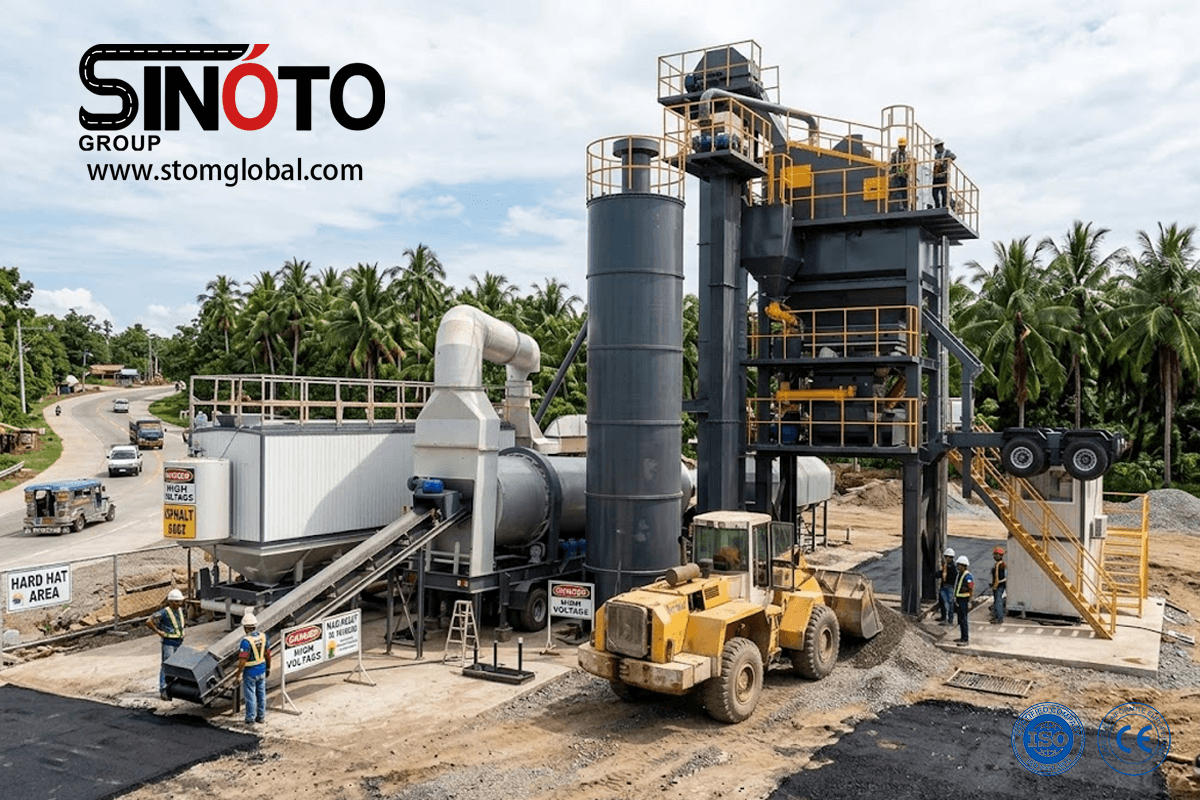
Whether the destination is a nearby county road or another country, the process follows the same logic. For overseas projects, units are typically shipped by sea and then towed the final distance by road. SINOTO’s mobile plants have already been exported to more than 20 countries.
Step-by-step transport and setup workflow:
| Step | Action | What Buyers Should Know |
|---|---|---|
| 1️⃣ | Route survey | Check bridge limits, road width and turning radius for the trailer track and length. |
| 2️⃣ | Towing | Each unit is pulled by a tractor unit in compliance with road transportation regulations. |
| 3️⃣ | Site leveling | Only simple leveling is needed, with no heavy foundation. |
| 4️⃣ | Positioning | Units are hoisted or placed into their working layout. |
| 5️⃣ | Pipeline and cable connection | Bitumen, air and electrical lines are connected. |
| 6️⃣ | Commissioning | Test runs begin, and production follows shortly after. |
The main saving is time. A stationary asphalt batching plant ties up months in civil works. A mobile plant reduces that phase to leveling, placement and connection, so the machine starts earning sooner.
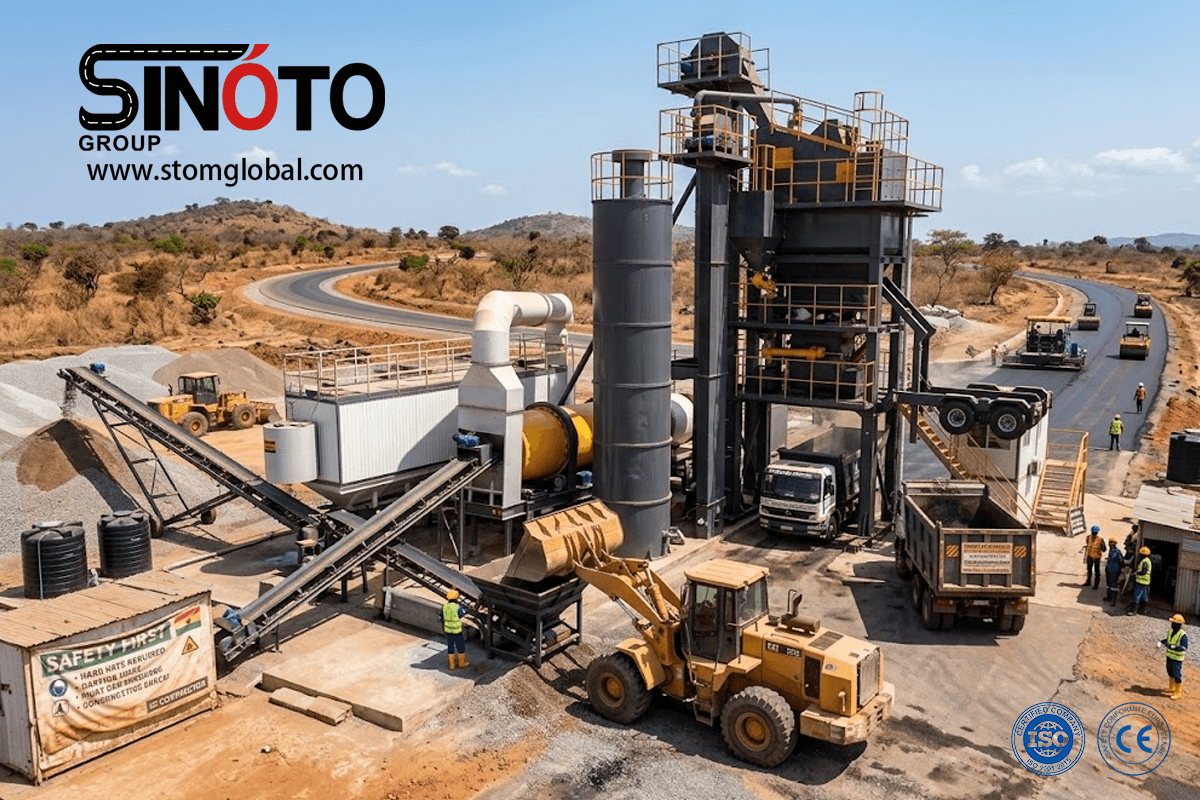
Transport is only one part of the buying decision. Contractors evaluating an asphalt plant supplier usually raise these concerns:
The manufacturing side matters just as much. A capable asphalt batch plant manufacturer designs the trailer chassis, the mixing tower and the control system together. That is why SINOTO’s units connect with pre-wired components and integrated chassis instead of complex disassembly.
🗣️ Buyer Tip: Ask every asphalt plant supplier for a transport drawing showing the size and weight of each unit. Check it against your route before you sign a contract.
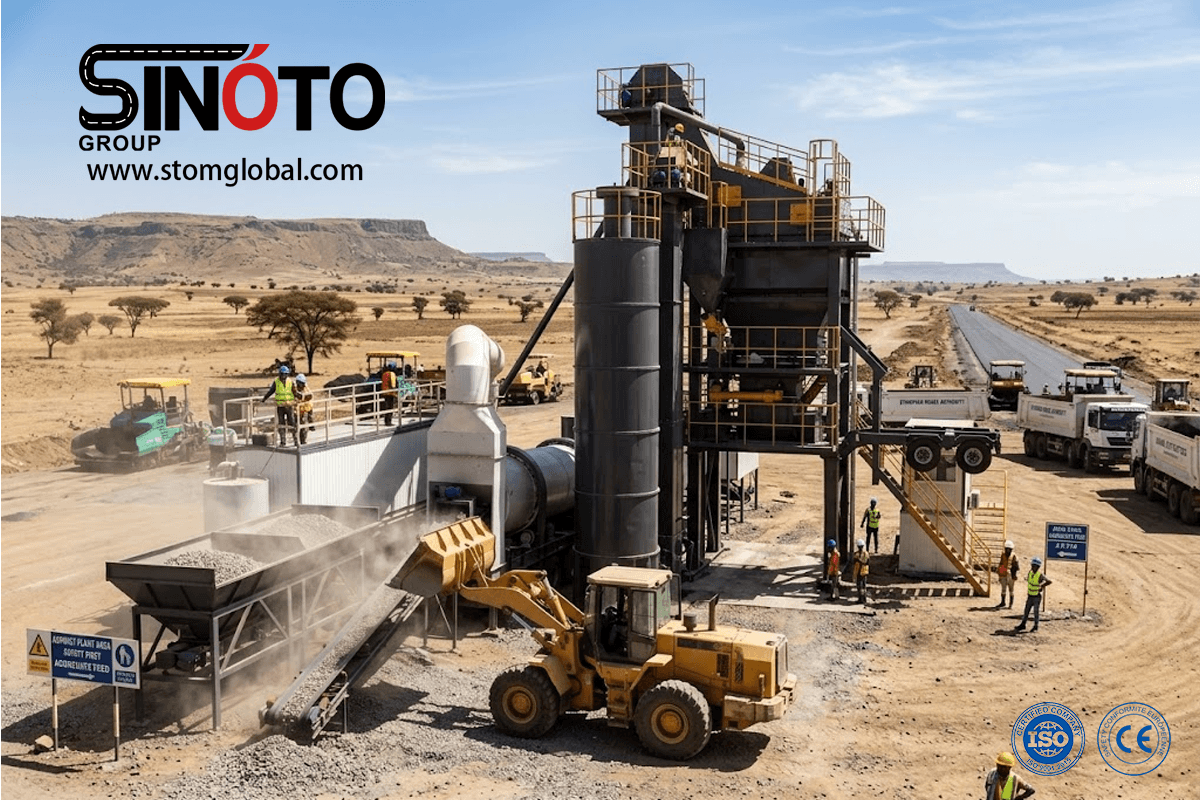
Choosing the right capacity avoids overspending on an oversized asphalt plant. SINOTO’s mobile models cover 80 to 160 tph:
| Specification | YLB1000 | YLB1500 | YLB2000 |
|---|---|---|---|
| Capacity (t/h) | 80 | 120 | 160 |
| Mixer capacity (kg) | 1000 | 1500 | 2000 |
| Total power (kW) | 242 | 326 | 413 |
| Mixing cycle | 45 s | 45 s | 45 s |
| Dryer drum (mm) | Φ1600×6800 | Φ1800×8000 | Φ1800×8000 |
| Dust filter area (m²) | 380 | 450 | 550 |
| Fuel options | Diesel, heavy oil, fuel oil, coal, natural gas | Same | Same |
Every model uses a double-axis forced batch mixer, a fully automatic computer control system and a 110% mixing capacity margin. Optional hot mix storage silos of 40 t, 60 t or 80 t suit projects that need buffer capacity on site.
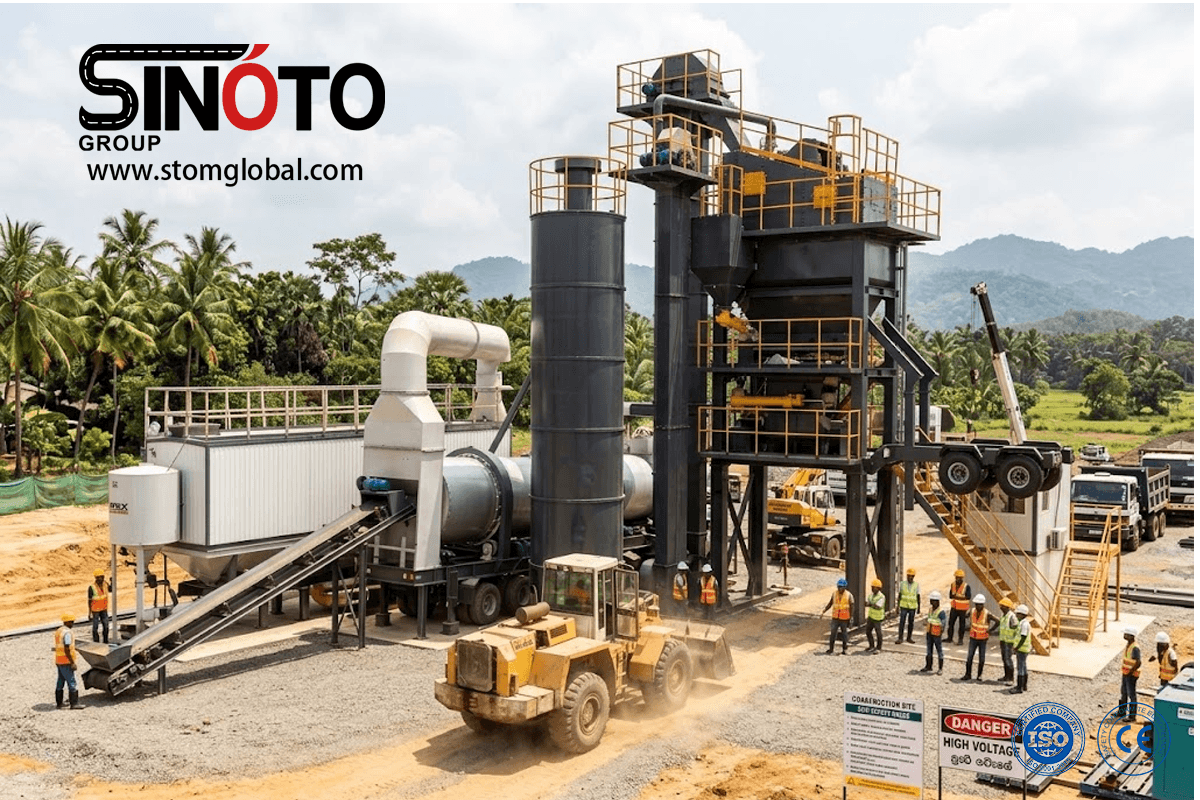
The most common inquiry is about asphalt plant price, and the honest answer is that it depends on configuration. The main drivers of asphalt mixing plant price are:
Buyers who look only at the ex-factory figure often misjudge total asphalt plant cost. A mobile design reduces civil works, installation labor and relocation expense. That can offset a higher initial figure, especially for short-term projects, and it saves cost each time the plant moves to a new site.
To compare offers fairly, send each asphalt plant manufacturer the same brief and request a written asphalt plant quotation. The brief should state target output, fuel type, site altitude, destination country and expected relocation frequency. If you are searching for an asphalt batching plant for sale, this approach also exposes the differences between suppliers. Likewise, when you compare asphalt plant for sale listings, a detailed quotation is more reliable than a headline number.
✅ Bottom Line: A mobile plant is transported on towed semi-trailer units, needs minimal site preparation and returns production quickly. It suits contractors who value speed, flexibility and lower setup cost.
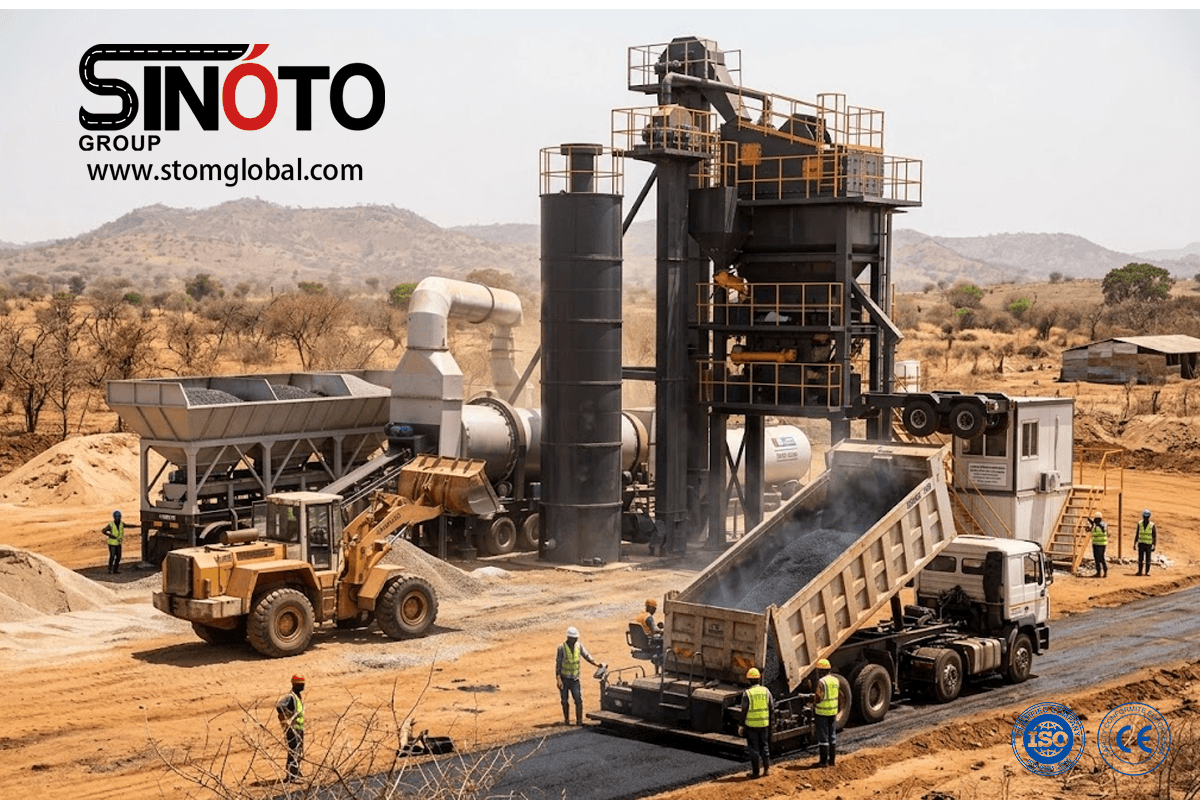
Tell us your capacity target, fuel type and project location. Our engineers will recommend the right model and prepare a detailed quotation.
👉 Request a Free Asphalt Plant Quotation Now
📧 info@stomglobal.com | 📱 WhatsApp: +86-190 5958 1045
#AsphaltPlant #MobileAsphaltBatchingPlant #AsphaltMixingPlant #RoadConstruction #AsphaltBatchPlant #SINOTO

Whatsapp ID: 8619059581045

WeChat ID: +8619059581045

