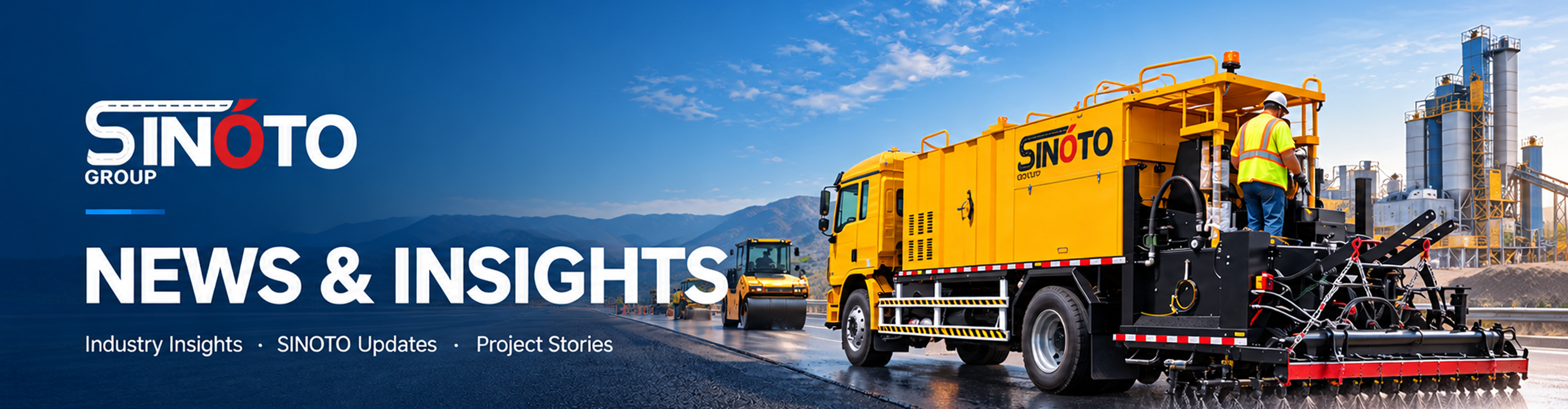
Warm-Mix Asphalt (WMA) technology is the game-changer, extending the paving season and ensuring durable roads even in harsh cold regions. Forget seasonal delays; WMA, produced at reduced temperatures in a modern asphalt mixing plant, delivers superior compaction, reduces emissions, and minimizes thermal cracking. Discover how this sustainable solution is transforming infrastructure development and why the right WMA plant is your most valuable asset.
The seasonal nature of road construction business to road construction companies based in cold areas poses a very difficult and expensive challenge. The low temperature causes the thin compaction margin on the traditional Hot-Mix Asphalt (HMA) to be reduced at an alarming rate resulting in low density, poor bonding, and early cracking- a major calamity in winter pavements. This is a classical situation that causes shutdown that interrupts the key infrastructure development.
Nonetheless, the Warm-Mix Asphalt (WMA) is now a proven, sustainable and technologically advanced solution in a wide range. Although the laying of WMA on the road needs the use of conventional paving equipment (pavers, rollers), the meeting point of the WMA revolution is not on the job site but miles away in the factory: the asphalt mixing plant.

The usual myth of the industry, especially amongst the people who are new to the WMA technology is the role of various equipment. In order to be more precise: a special or modified asphalt mixing plant is absolutely needed in construction method of warm-mix asphalt pavement.
Asphalt Mixing Plant (Essential): This is the production centre. The raw materials comprise of aggregate, bituminous binder and special WMA additives (organic waxes, chemical surfactants or water to foam) are heated and mixed thoroughly in the plant producing the final asphalt mixture of low viscosity. The absence of the plant means that there is no WMA.
Asphalt Distributor (Auxiliary): An asphalt distributor is a tanker truck equipped with spray bars that are used to spray a uniform layer of liquid asphalt products (such as emulsions or tack coats) onto an existing pavement surface or pavement base layer. It serves the purpose of good bonding between layers. It is not utilized to produce the bulk pavement material and has no effect in chemical or foaming process that characterizes WMA.
The WMA plant is a true workhorse when it comes to cold weather paving.
Warm-Mix Asphalt is a collection of technologies that enable the manufacture and laying out asphalt mixtures with a temperature depending 35degF to 100degF (20deg to 55deg) beneath that of HMA. This is done by reduction in temperature in the asphalt mixing plant through a number of important processes:
In foaming-based WMA technologies (including the use of synthetic zeolites like Aspha-Min(r) or water injection), when mixing hot asphalt binder, a slight amount of water or a foaming agent is added. This leads to the foaming of the binder and temporary expansion of the same, which causes a great decrease in viscosity.
This low viscosity is temporary to ensure that the aggregate is coated fully at a significantly lower temperature in the pugmill (in the case of batch plant) or the drum (in the case of drum mix plant). They must modify the plants to accommodate the system of injecting water or feeding in the additives.
Other WMA solutions involve organic additives (such as Sasobit) or chemical surfactants (such as Evotherm) that either are added to the binder prior to entering the plant or are added directly into pugmill or drum. These additives alter the rheological characteristics of the binder and provide the required workability and coating capacity at a lower mixing temperature. Once again, it is the accuracy of dosing and addition of these additives that are taken care of by special systems that are built into the asphalt mixing plant.

The low production temperature achieved in the asphalt mixing facility is specifically useful in cold areas and winter roads construction:
A. Long Compaction Window: WMA cools slower because it is initially cooler. More importantly, the additives and modified binder have a lower effective viscosity, and rollers have an extended time to work towards the desired density and correct compaction before the mat solidifies to the temperature the mat is going to be locked-up. This is a direct counter to the high rate of heat loss of cold base layers and strong winds.
B. Excellent Pavement Performance: Compaction has been identified to be the most important aspect to pavement life. WMA promotes improved density and decreases the air voids and permeability which are the weaknesses of stripping and freeze-thaw damages since moisture is a leading contributor of such damage. Studies have shown that WMA also has better resistance to thermal cracking which is one of the main failure modes in the north.
C. Logistical Flexibility: The lower cooling rate allows WMA to be transported farther, or it can be used on moderate construction delays and retain sufficient heat to be placed and compacted. This offers essential logistical adaptability to remote cold regions endeavours.
D. Sustainability and Emission Reduction: WMA decreases the burning of fuels on the plant, which reduces energy use (up to 35 percent decrease) and diminishes greatly the emissions of greenhouse gasses (GHG) and asphalt fumes. This is just ideal according to the sustainable infrastructure goals.
Whether a contractor utilizes a Batch Mix Asphalt Plant or a Drum Mix Asphalt Plant often depends on project size and specifications, but both types are adaptable for WMA production:
|
Plant Type |
WMA Adaptation |
Key Advantage for WMA Production |
|
Batch Mix Plant |
Easily modified for WMA additives or foaming systems. |
Superior Quality Control and precise adjustment of additive dosage for high-spec mixes. |
|
Drum Mix Plant |
Adaptable for continuous foaming or liquid additive injection systems. |
Continuous Production and high volume output, ideal for long, uninterrupted stretches of road construction. |
Choosing the right partner who understands the required plant modifications and the science behind WMA is critical for unlocking its benefits.
Whether the construction of warm-mix asphalt pavements in cold areas can be made without an asphalt distributor or without an asphalt mixing plant is an unquestionably answered question: the asphalt mixing plant is the key point which cannot be taken away. It is the advanced plant where the engineered WMA material specifically developed to be used in cold weather paving is made. Through modern, WMA-able asphalt plants, unmatched pavement engineering can be realized, paving season will be stretched, and more resilient, sustainable infrastructure developed all over the world.


Whatsapp ID: 8619059581045

WeChat ID: +8619059581045