When sourcing equipment for road construction, one question dominates buyer inquiries: how hot does the bitumen actually get, and is the output ready to feed straight into an asphalt mixing plant or distributor truck? This article breaks down the thermal performance, safety systems, and buyer-relevant specifications of a modern barrels bitumen melting machine, also known as a bitumen decanter or asphalt drum melter, so procurement teams and site engineers can make an informed decision.
A barrels bitumen melting machine extracts bitumen from sealed steel drums by heating them until the asphalt softens, flows out, and is pumped directly into a storage tank. Unlike open-flame kettles, today’s industrial grade barrels bitumen melting machine units rely on indirect thermal-oil heating — a critical distinction for both temperature control and jobsite safety.
ℹ️ Quick Answer: A well-engineered barrels bitumen melting machine typically holds the melting pool at 140–180°C and discharges bitumen at a pumping temperature of 120–160°C — within the standard range required by most asphalt mixing plants, meaning the output is ready for direct use without additional reheating in most applications.
The core function of any bitumen melting pot barrels bitumen melting machine is controlled, uniform heat exchange. Bitumen is a temperature-sensitive material — overheating causes oxidation, carbonization, and permanent loss of binding performance, while underheating leaves the material too viscous to pump.
In a properly designed adjustable temperature barrels bitumen melting machine, the process works in two stages:
| Parameter | Typical Range |
|---|---|
| Bitumen pool temperature | 140°C – 180°C |
| Pumping/discharge temperature | 120°C – 160°C |
| Drum melting time | 40 – 60 minutes |
| Heating method | Diesel/gas burner or thermal oil furnace |
| Control system | PLC / centralized automatic control |
This staged approach is what separates a modern automatic barrels bitumen melting machine from legacy open-kettle designs. Automatic temperature and pressure control systems, combined with a high-temperature alarm, prevent localized overheating — a common cause of asphalt degradation in older equipment. Because the heating source is thermal oil rather than an open flame, the weather resistant barrels bitumen melting machine structure also avoids the fire and explosion risks associated with direct-flame heating, which matters for both heating barrels bitumen melting machine pavement engineering work and insurance compliance on active sites.
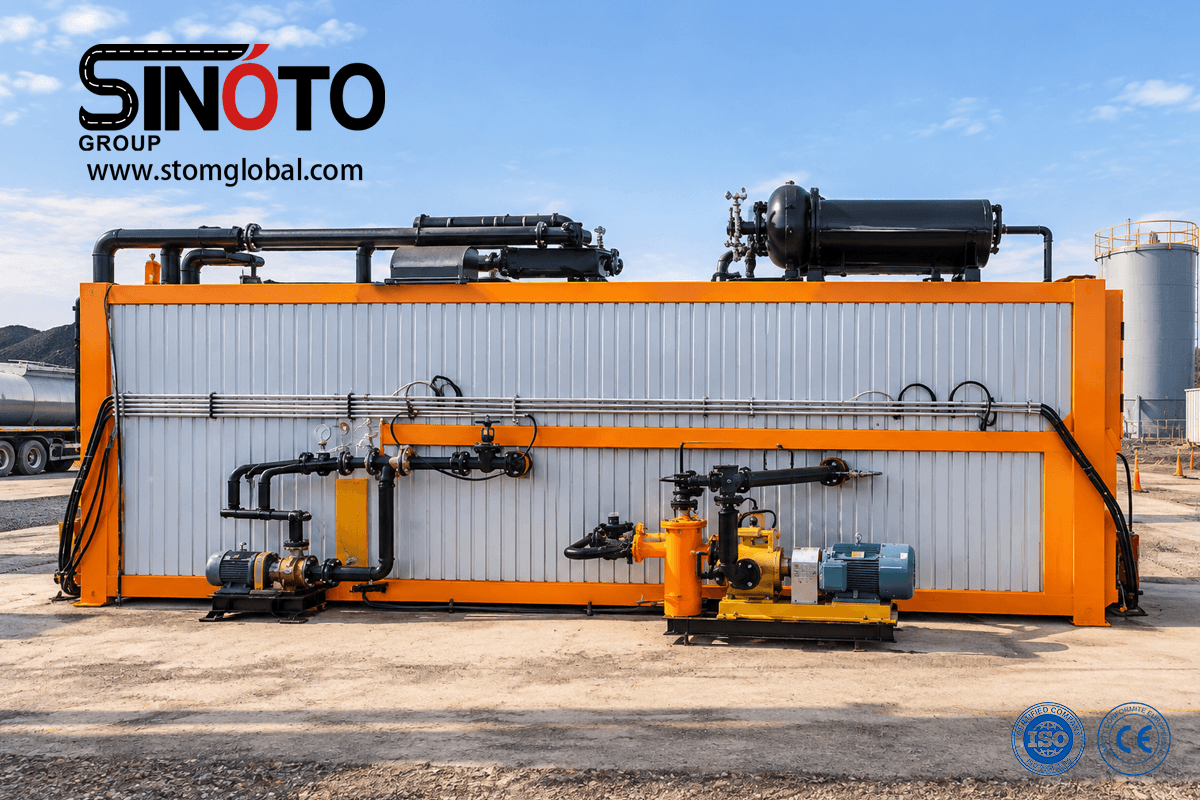
This is the question buyers ask most often, and the short answer is: yes, when the unit reaches standard pumping temperature. An integrated barrels bitumen melting machine road base construction setup is engineered specifically so the melted output matches the intake temperature range expected by downstream equipment.
🗣️ “For our expressway resurfacing project, the bitumen coming out of the decanter went straight into the mixing plant feed line with no intermediate reheating step — that alone cut our cycle time significantly.” — Site engineer feedback, typical of stable performance barrels bitumen melting machine slurry seal project deployments.
That said, buyers evaluating an asphalt processing line should confirm three things before assuming plug-and-play compatibility:
An economical barrels bitumen melting machine rural highway renovation project with lower daily tonnage needs may only require a DT-4 or DT-6, while a large capacity barrels bitumen melting machine asphalt processing operation on an expressway works contract will typically call for a DT-10 or DT-12.
| Model | Capacity (t/h) | Barrels per Cycle | Bitumen Pool Volume | Total Power |
|---|---|---|---|---|
| DT-4 | 4–5 | 30 | 14 m³ | 9.5 kW |
| DT-6 | 6–8 | 40 | 17 m³ | 18.5 kW |
| DT-10 | 8–10 | 44 | 18 m³ | 20.5 kW |
| DT-12 | 12–15 | 60 | 22 m³ | 20.5 kW |
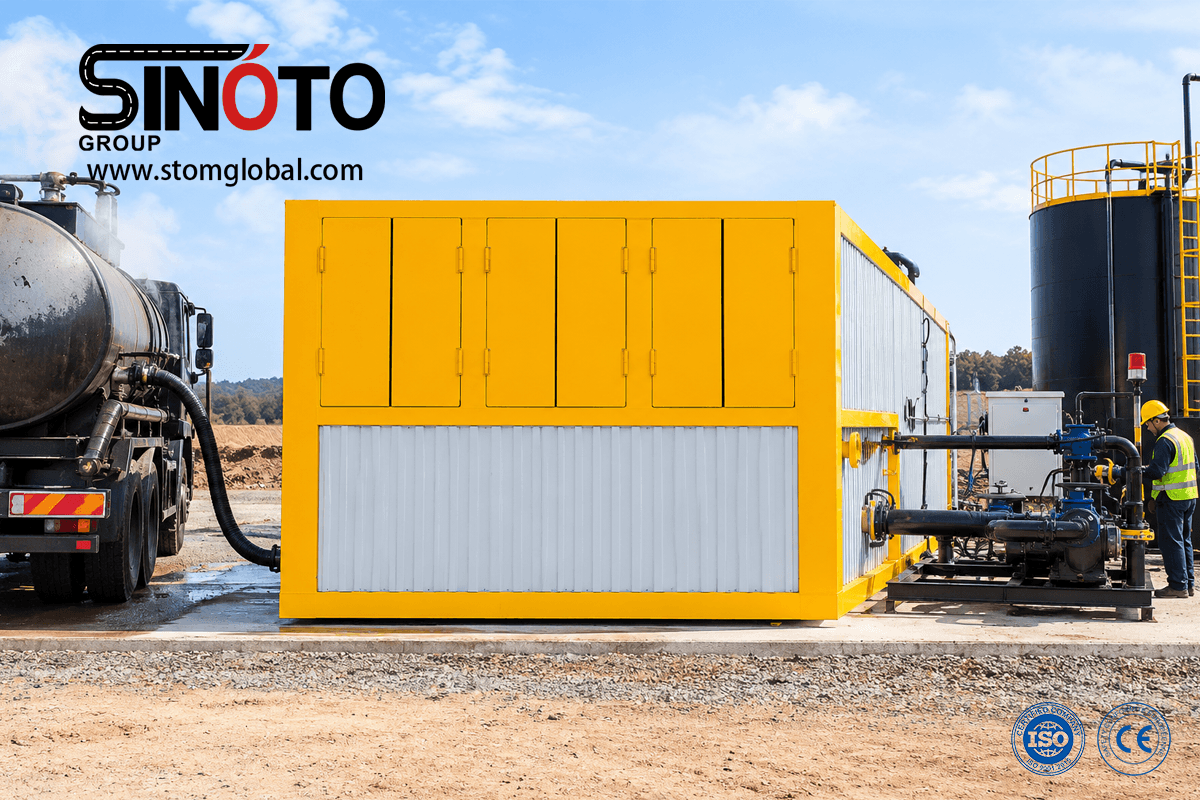
Safety and consistency are what separate a genuine heavy duty barrels bitumen melting machine large scale construction solution from budget alternatives. Because operators work near molten asphalt at high temperature, three engineering features matter most:
Thermal efficiency is the other half of the equation. Finned-tube heat exchangers can extend the heat exchange surface to roughly 1.5 times that of standard thermal-oil pipework, which — combined with fume recovery and hot-air circulation — reduces fuel consumption. This is why an energy saving barrels bitumen melting machine infrastructure project deployment can lower per-ton processing costs compared with older kettle-style melters, while a high efficiency barrels bitumen melting machine expressway works unit can also raise output by an estimated 30–50% versus conventional equipment through continuous barrel feeding and automatic discharge.
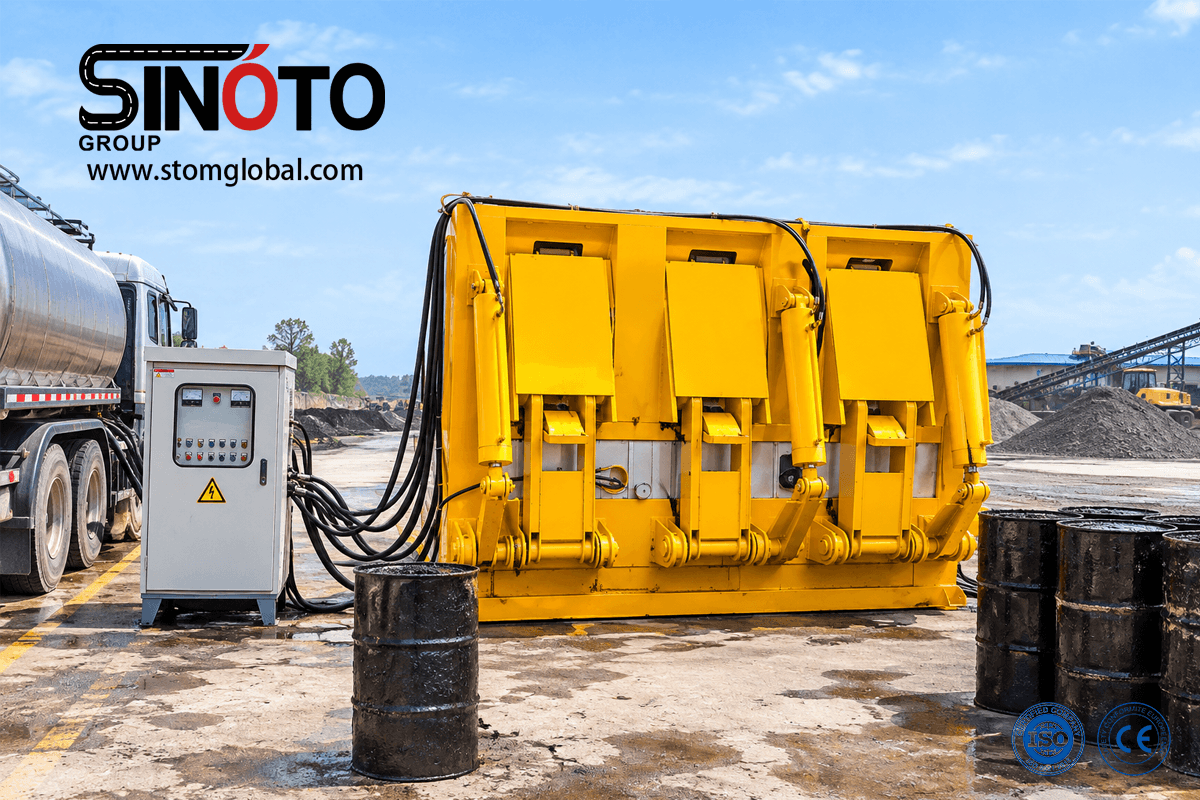
Not every jobsite needs the same throughput. Matching machine size to project scale avoids both bottlenecks and wasted capital.
For teams handling road construction manufacturer and global supplier partnerships, this modular, containerized design also simplifies customs clearance and on-site reassembly — a practical consideration often overlooked until shipping quotes arrive.
Beyond raw output, buyers increasingly weigh environmental compliance and operator simplicity, particularly for durable barrels bitumen melting machine overseas engineering project contracts that must satisfy local emissions standards.
For fleet operators comparing an integrated barrels bitumen melting machine against a separately sourced thermal oil boiler plus decanter combination, the integrated burner option typically reduces installation complexity, while a boiler-linked configuration suits sites that already run thermal oil systems for other equipment.
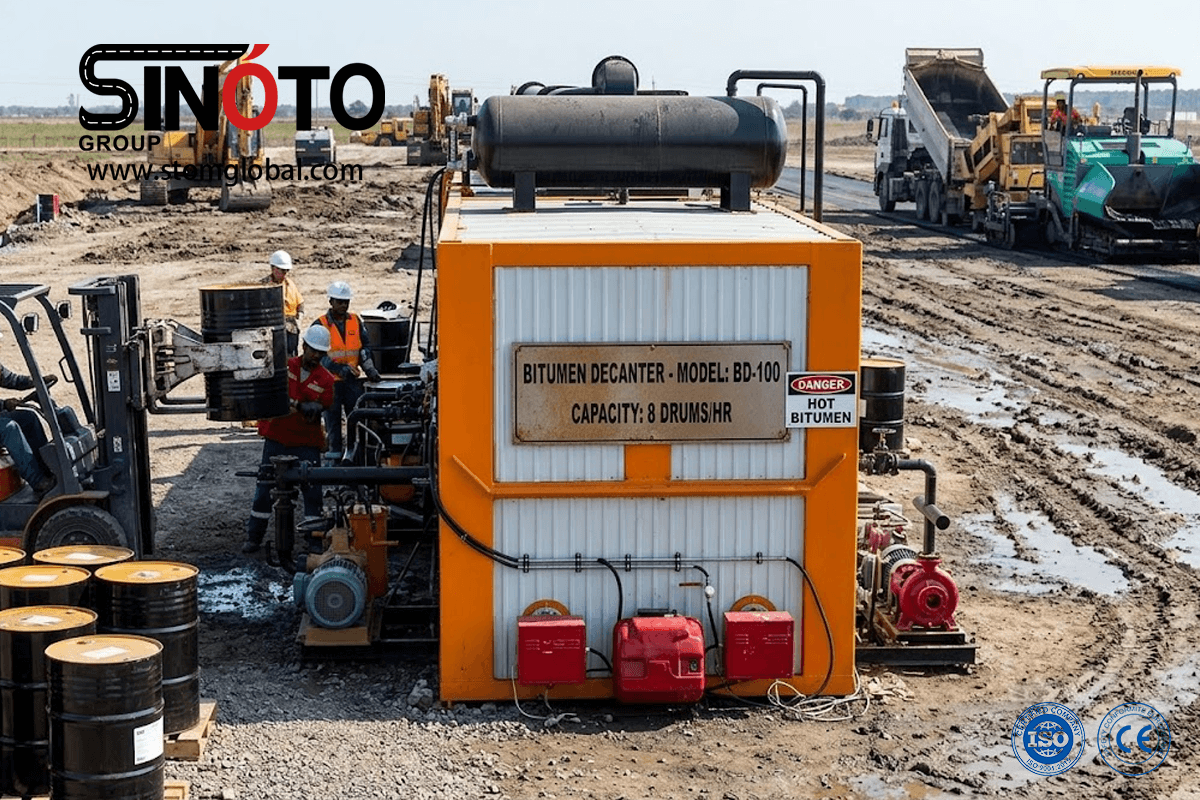
A barrels bitumen melting machine reaching a bitumen pool temperature of roughly 140–180°C, with a pumping/discharge range of 120–160°C, is generally compatible for direct feed into asphalt mixing plants and bitumen distributors — provided pipeline insulation and plant intake specs align. Between the DT-4 and DT-12 model range, capacity scales from 4 t/h to 15 t/h, covering everything from rural highway renovation to large-scale expressway and overseas infrastructure projects.
If your project requires a specific throughput, container-shipping configuration, or burner type, the fastest way to confirm compatibility with your mixing plant is to send your project details directly to the supplier’s engineering team.

Whatsapp ID: 8619059581045

WeChat ID: +8619059581045

