A practical buyer’s guide to burner options, running costs and equipment selection
Fuel is the largest running cost of any asphalt mixing plant. Every tonne of hot mix starts with aggregate that must be dried and heated to roughly 160–180 °C, and the burner does that work all day. That is why buyers comparing an asphalt batching plant for sale usually ask about fuel before they ask about almost anything else.
The short answer: a modern asphalt plant can burn diesel, heavy oil, fuel oil and natural gas, and, depending on configuration, coal or liquefied gas. This guide explains each option, how it affects asphalt plant cost, and what to check before you sign a purchase order. We use the stationary range from SINOTO (HENAN SINOTO MACHINERY TECHNOLOGY CO., LTD.) as a reference throughout.
| ⛽ 5 Fuel Options | 🏭 40–400 tph | 🌫️ ≤20 mg/Nm³ | ⏱️ 45 s Cycle | 🔧 72 h Assembly |
|---|---|---|---|---|
| Diesel, heavy oil, fuel oil, coal, natural gas | Output range | Baghouse dust emissions | Per batch mixing | Modular installation |
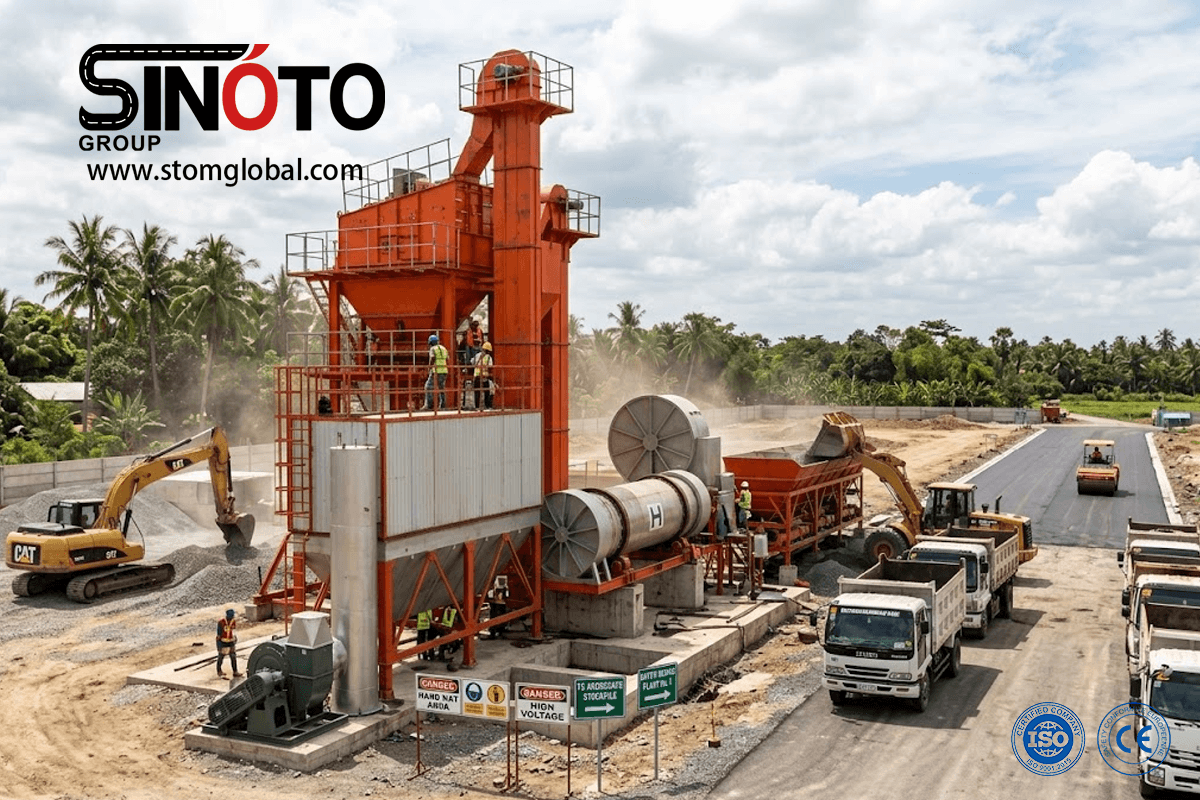
The burner on the drying drum decides how flexible your fuel supply can be. SINOTO’s technical parameters list diesel, heavy oil, fuel oil, coal and natural gas, and its technical FAQ also mentions liquefied gas. Always confirm the exact burner configuration when you request a quote, because burners are specified per project.
| Fuel | Fuel Cost | Emissions | Handling | Best For |
|---|---|---|---|---|
| Diesel | Higher | Low | Very easy | Small or remote sites |
| Heavy / Fuel Oil | Lower | Moderate | Heated tanks needed | High-volume highway work |
| Natural Gas | Region-dependent | Lowest | Pipeline supply | Cities with gas networks |
| Liquefied Gas | Medium to high | Low | Tank and deliveries | Sites without pipelines |
| Coal | Lowest in coal regions | Higher dust load | Feeding and ash handling | Coal-rich regions |
Relative rankings are general industry observations; actual costs vary by market.
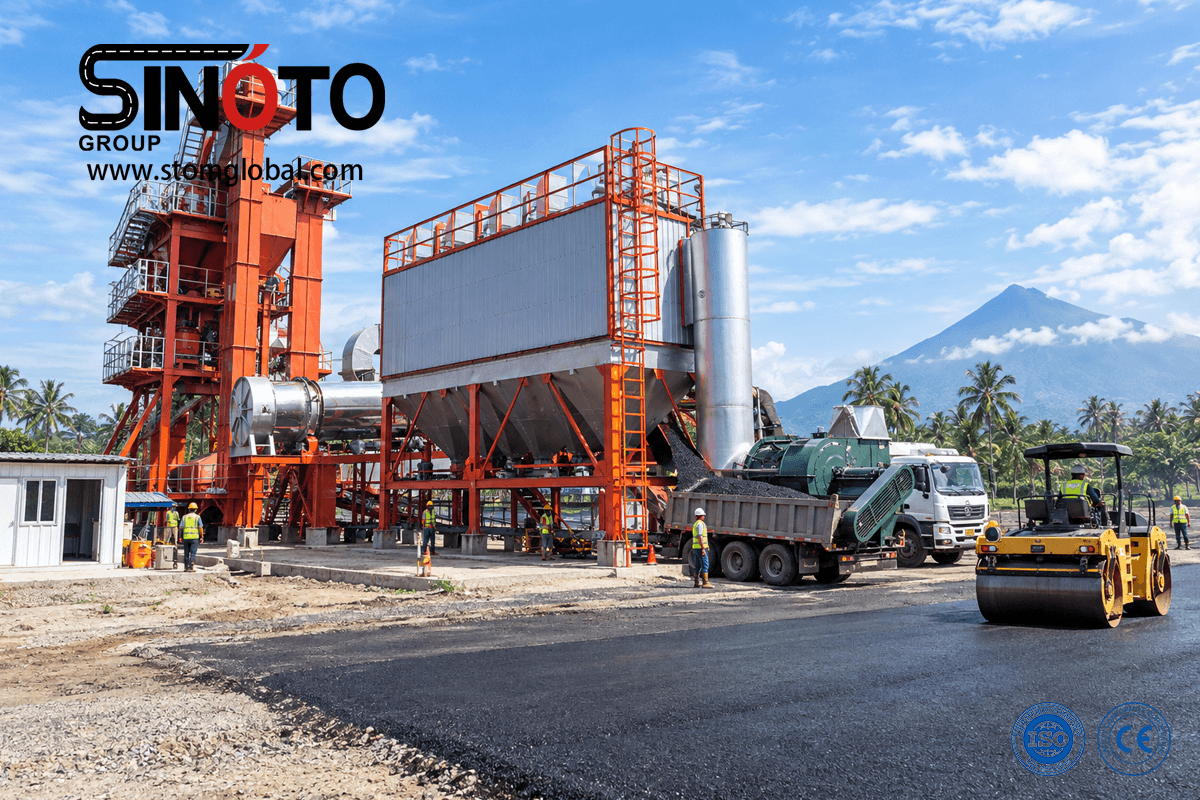
Many buyers compare asphalt mixing plant price quotes without modelling lifetime fuel spend. That is a mistake, because a cheaper machine with an inefficient burner can cost more over five years than a better-equipped one. Three factors matter most:
💡 Pro Tip: Choose the fuel you can buy reliably at the lowest delivered cost per unit of heat. Then confirm the burner can be upgraded or changed if local supply shifts later.
When you contact each asphalt plant supplier, ask them to state burner fuel consumption in kg/h at rated output. It is the fairest way to compare offers.
Beyond fuel, buyers of an asphalt batch plant tend to focus on five concerns:
A credible asphalt batch plant manufacturer or asphalt mixing plant manufacturer should document these figures clearly. Here is how SINOTO’s stationary models compare:
| Model | Capacity (tph) | Total Power (kW) | Mixer (kg) | Oil Burner (kg/h) | Coal Burner (kg/h) |
|---|---|---|---|---|---|
| LB1000 | 90 | 242 | 1,100 | 110–550 | 1,300 |
| LB1500 | 130 | 326 | 1,600 | 170–850 | 1,700 |
| LB2000 | 175 | 413 | 2,200 | 200–1,000 | 2,500 |
| LB3000 | 260 | 590 | 3,000 | 300–1,400 | 3,600 |
| LB4000 | 340 | 836 | 4,000 | 360–1,800 | 4,500 |
Specifications are for reference and may change.
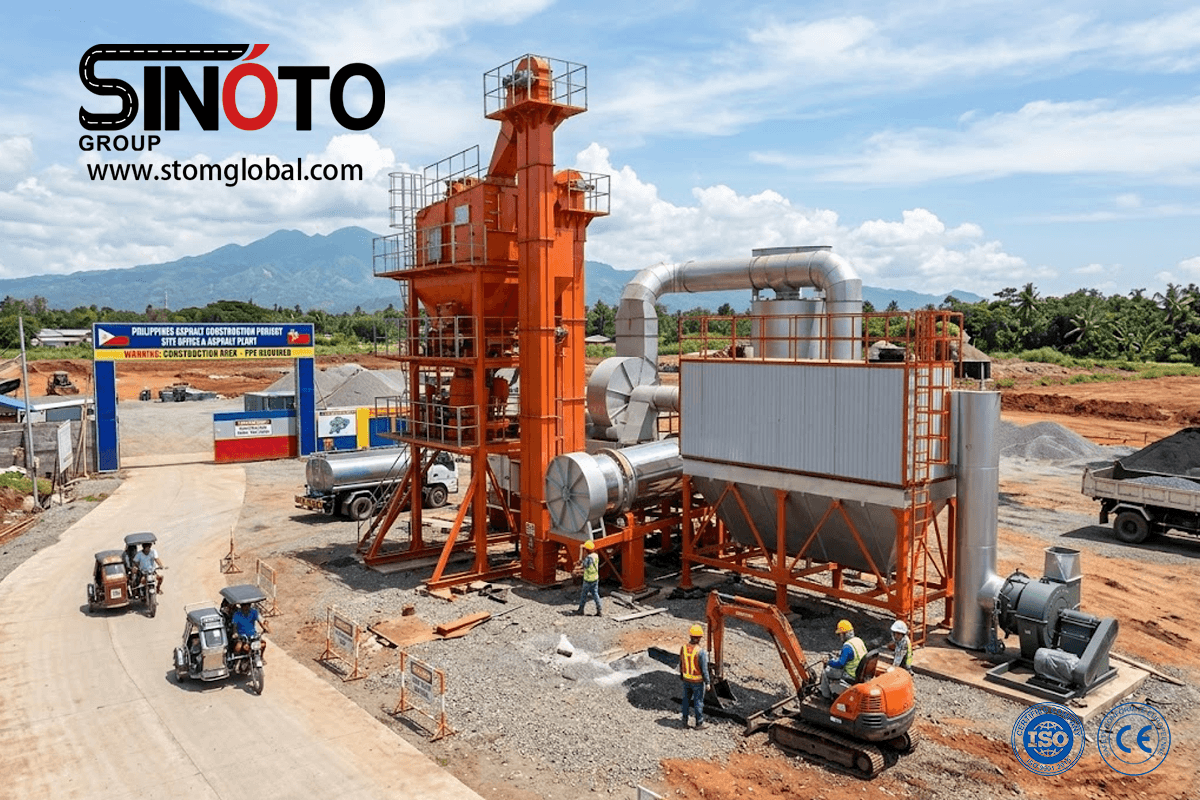
A stationary design suits long-term, high-volume projects such as highways, airports and ports. Its main selling points are:
As an experienced asphalt mixing plant supplier, SINOTO offers an asphalt plant for sale in capacities from 40 to 400 tph, with customized solutions for each site. Each asphalt batch plant is built around a fully automatic control system, so operators can track production from cold feeding to hot mix discharge.
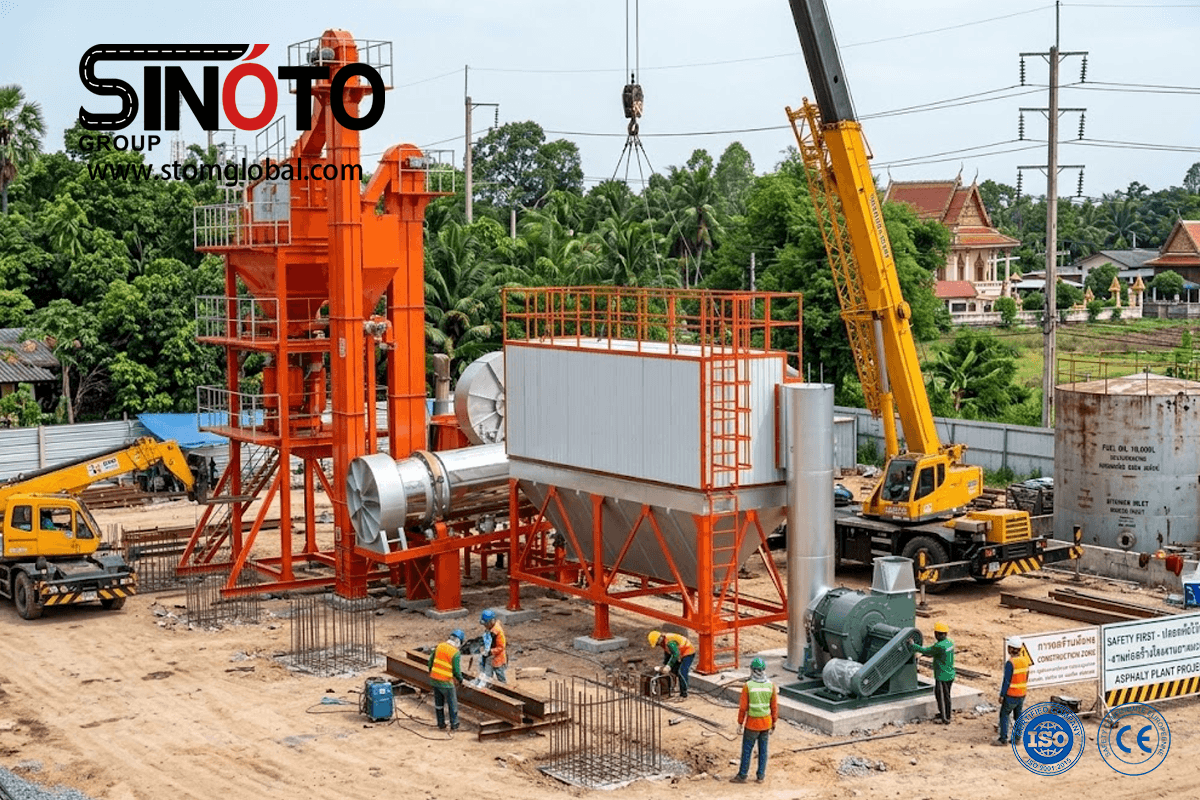
An accurate asphalt plant quotation depends on a few project details. Prepare the following before you reach out:
With these details, the engineering team can estimate asphalt plant cost and return on investment for your project volume.
📧 info@stomglobal.com | 💬 WhatsApp: +86 190 5958 1045
#AsphaltMixingPlant #AsphaltBatchingPlant #AsphaltPlantForSale #RoadConstruction #SINOTO

Whatsapp ID: 8619059581045

WeChat ID: +8619059581045

