Choosing the right bitumen mixing plant is a critical decision for road construction contractors, infrastructure developers, and asphalt producers. The right equipment can improve asphalt quality, increase production efficiency, control fuel consumption, and reduce unexpected maintenance expenses. However, selecting an unsuitable asphalt production plant may lead to project delays, excessive operating costs, and inconsistent hot mix asphalt quality.
Whether you need a high-capacity stationary asphalt mixing plant for highway construction or a flexible mobile asphalt batching plant for multiple job sites, understanding your production requirements and long-term operating costs is essential.
SINOTO provides asphalt plant equipment solutions for different construction conditions, including stationary asphalt mixing plants, mobile asphalt batching plants, and continuous asphalt mixing systems. By evaluating capacity, plant configuration, maintenance requirements, and supplier support, buyers can make a more informed investment decision.
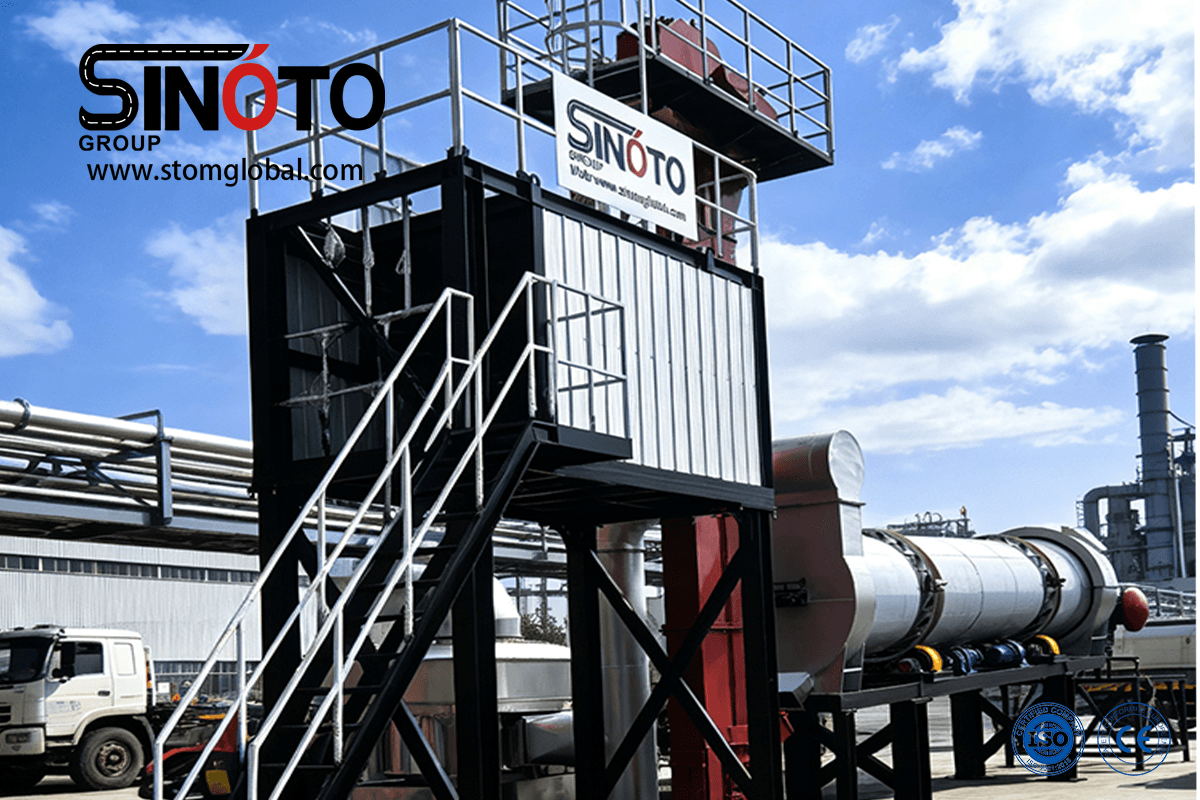
Before purchasing a bitumen mixing plant, buyers should evaluate more than the initial purchase price. Production capacity, project duration, material availability, transportation costs, fuel consumption, and maintenance requirements all influence the total cost of ownership.
An undersized asphalt production plant may struggle to meet daily paving targets, while an oversized system can increase capital expenditure and operating costs unnecessarily.
For highway construction, airport runways, and large infrastructure projects, a stationary asphalt mixing plant may provide the production capacity and stability required for long-term operations. For contractors handling multiple smaller projects, an asphalt mixing plant portable configuration or asphalt mixing plant mobile solution may offer greater flexibility.
A batch type hot mix plant produces asphalt in separate batches, allowing operators to control aggregate grading, binder dosage, and mixing time for different asphalt formulations. This configuration is particularly suitable for projects requiring strict mixture specifications and frequent product changes.
A drum mix plant combines aggregate drying and mixing in a continuous production process. A hot drum mix plant can be a practical choice for contractors prioritizing continuous output, operational simplicity, and efficient production on suitable road projects.
Buyers searching for an asphalt mixing plant near me or an asphalt hot mix plant near me should consider local service availability, spare parts delivery, installation support, and transportation arrangements.
In remote areas, a mobile hot mix plant or mobile drum mix plant can reduce the need to transport large quantities of finished asphalt over long distances. However, buyers must also assess site access, foundation requirements, utilities, and local environmental regulations before making a final decision.
📌 Key buying checklist
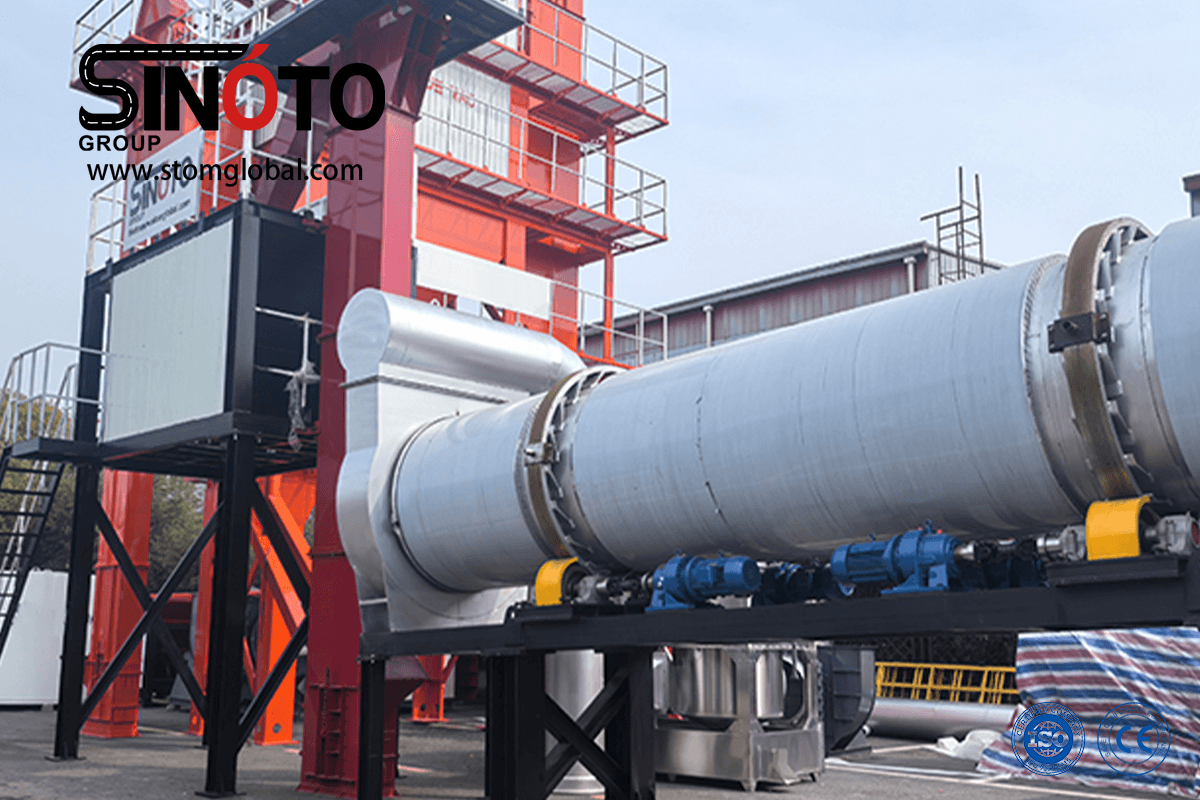
The best configuration depends on your project scale, required mixture quality, production schedule, and expected return on investment. An experienced asphalt plant supplier should help you compare equipment options instead of recommending the same configuration for every buyer.
| Equipment Type | Main Advantages | Best-Suited Applications |
|---|---|---|
| Stationary asphalt mixing plant | Stable installation, scalable capacity, suitable for sustained production | Highways, airports, major infrastructure |
| Mobile asphalt batching plant | Easier relocation and flexible deployment | Multiple construction sites and regional road projects |
| Batch mix plant | Flexible recipes and controlled batch production | Projects with strict mixture specifications |
| Asphalt drum mix plant | Continuous production and a relatively straightforward process | High-volume projects with consistent mix requirements |
| Mobile asphalt batch mix plant | Combines batch production with a mobile configuration | Contractors requiring mixture flexibility and mobility |
Note: Actual capacity, configuration, installation requirements, and operating costs vary by model and project conditions.
For contractors comparing an asphalt batch mix plant manufacturer with an asphalt drum mix plant manufacturer, it is important to review the complete system rather than individual components alone.
A complete asphalt processing plant typically includes cold aggregate feeders, conveyors, a drying drum, a burner, dust collection equipment, a bitumen supply system, a mixing unit where applicable, and an electrical control system.
The appropriate configuration should also account for aggregate moisture, gradation requirements, local fuel prices, and expected production hours.
SINOTO’s published product range includes stationary asphalt mixing plants with listed capacities extending up to 400 tonnes per hour, while its continuous asphalt mixing plant range includes configurations reaching up to 120 tonnes per hour. These are published product-range figures, not guaranteed output for every operating condition.
Buyers should request a model-specific quotation and verify rated capacity, actual site output, installed power, fuel consumption, and included accessories before comparing offers.
💡 Buyer tip: The most economical asphalt mixing plant is not necessarily the cheapest machine. Evaluate the cost per tonne of saleable asphalt, including fuel, electricity, labor, maintenance, transportation, and downtime.
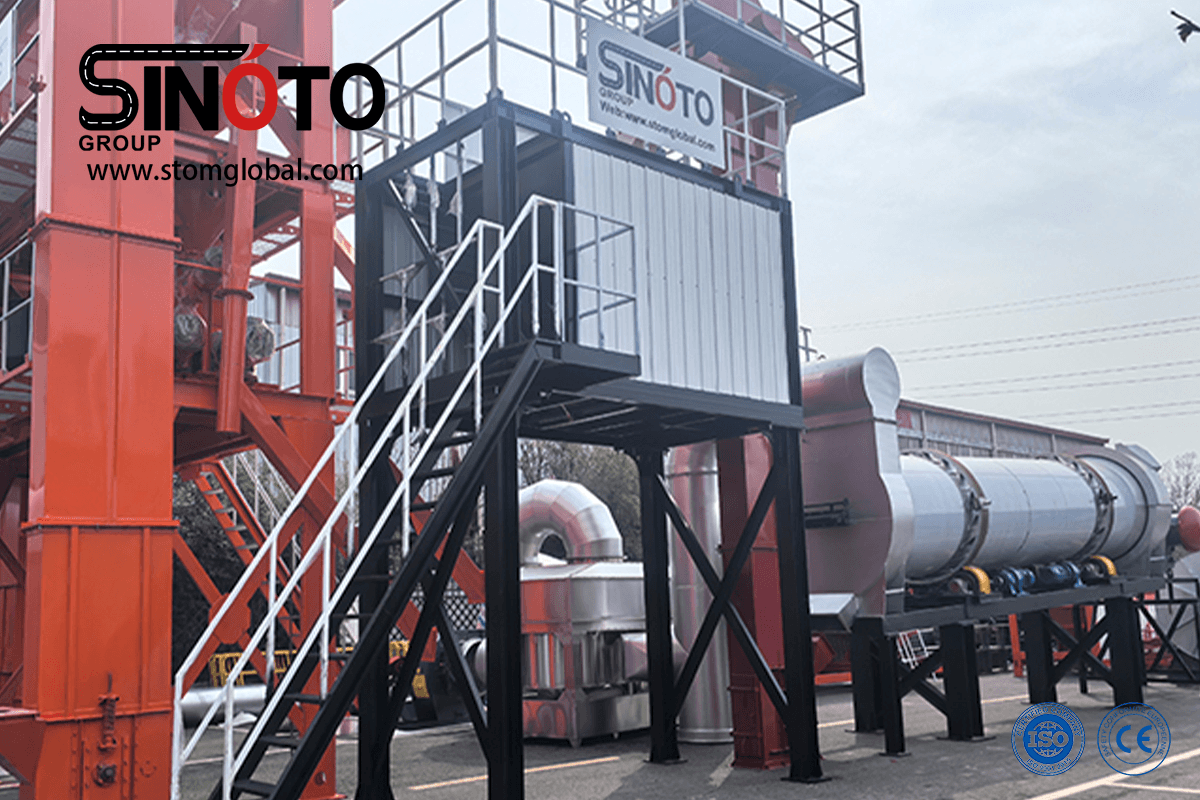
Maintenance is one of the most important factors affecting the profitability of a bitumen mixing plant. Continuous exposure to heat, dust, vibration, and abrasive aggregates can gradually wear down components and reduce operating efficiency.
| Maintenance Frequency | Key Tasks | Business Benefit |
|---|---|---|
| Daily | Inspect belts, burners, leaks, lubrication, and safety devices | Identify problems before production |
| Weekly | Check conveyor alignment, filters, nozzles, and wear components | Reduce unexpected breakdowns |
| Monthly | Inspect the drying drum, mixing components, sensors, and weighing systems | Maintain efficiency and production accuracy |
| Seasonal shutdown | Overhaul critical components and replace worn parts | Prepare equipment for the next production period |
The schedule above is a general planning guide. Always follow the manufacturer’s maintenance manual, operating hours, and actual component condition.
Maintenance insight: Preventive maintenance is generally more cost-effective than emergency repairs during peak paving periods. A structured inspection program helps buyers protect equipment availability, maintain consistent mixture quality, and plan spare parts purchases before critical components fail.
For a mobile asphalt batching plant, maintenance planning should also consider frequent transportation, repeated installation, and site-specific operating conditions. For a stationary asphalt mixing plant, foundation condition, long-term component wear, and sustained production loads deserve particular attention.
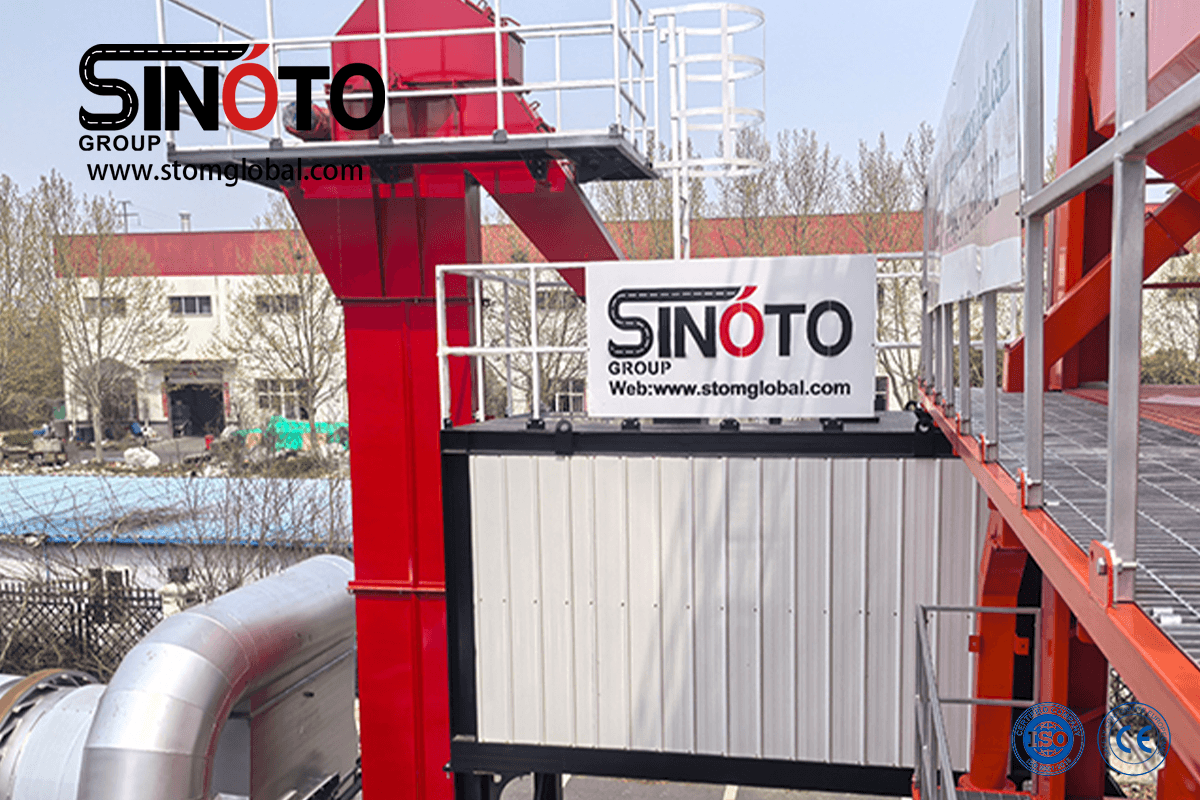
Selecting a qualified asphalt plant supplier is as important as choosing the machine itself. A reliable supplier should provide clear technical specifications, suitable configuration recommendations, installation guidance, operating instructions, and accessible after-sales support.
When evaluating an asphalt batch mix plant manufacturer, compare the following factors:
Technical performance: Verify rated output, fuel options, control systems, dust collection performance, and compatibility with your aggregate and bitumen specifications.
Customization: Determine whether the manufacturer can configure the plant for your project scale, local climate, available fuels, and site limitations.
Spare parts and maintenance: Ask about replacement-part availability, recommended spare parts packages, maintenance documentation, and technical assistance.
Total cost of ownership: Compare the initial investment with expected fuel, electricity, labor, maintenance, logistics, and downtime costs throughout the planned service life.
Project suitability: Choose between a stationary asphalt mixing plant, a mobile asphalt batch mix plant, or a continuous system based on project duration, production requirements, and relocation needs.
Contractors researching hot asphalt suppliers should also confirm whether the supplier sells finished asphalt mixtures or manufactures the equipment used to produce them. These are different business models with different purchasing requirements.
For buyers comparing an asphalt plant manufacturer with several equipment distributors, direct technical communication can help clarify specifications, component options, warranty terms, and commissioning responsibilities.
SINOTO supplies road construction machinery and asphalt mixing plant solutions for infrastructure projects worldwide. Its product portfolio includes stationary, mobile, and continuous asphalt mixing configurations designed for different production requirements.
Explore the SINOTO asphalt mixing plant product range to compare available equipment types and identify a suitable starting point for your project.
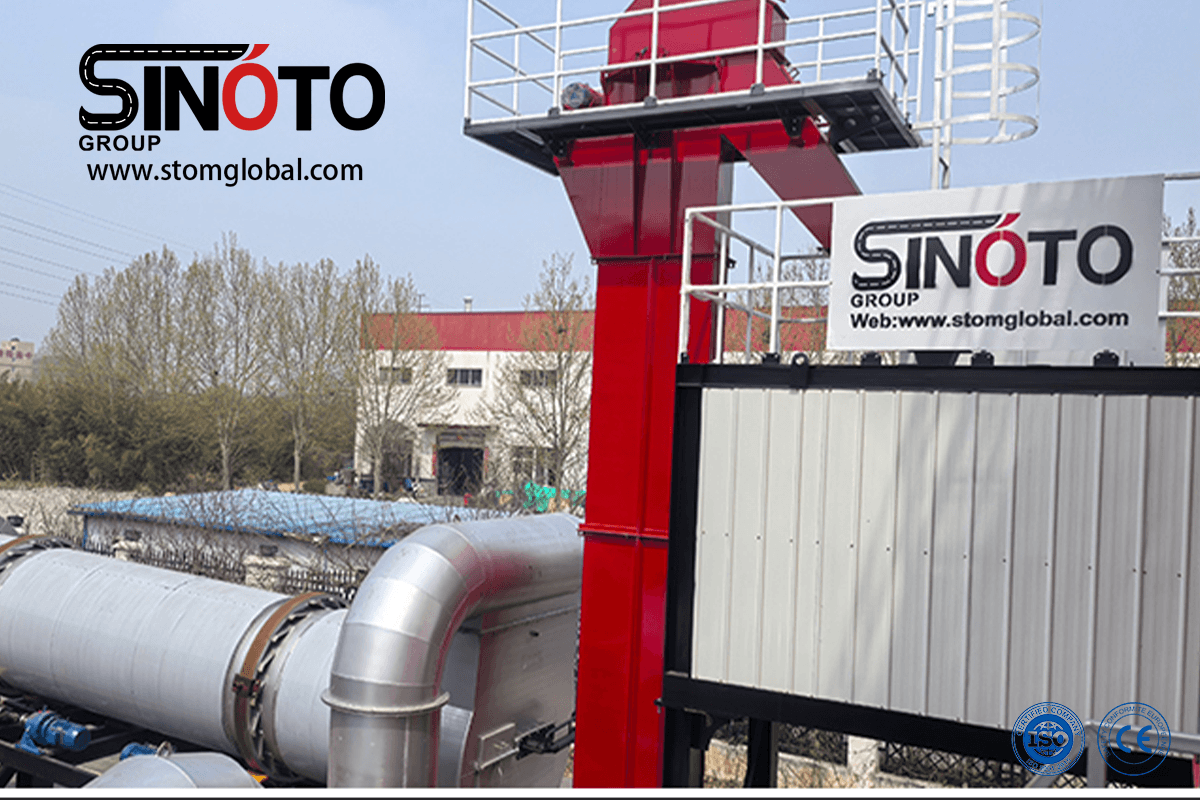
Whether you need a stationary asphalt mixing plant for highway construction, a mobile hot mix plant for multiple job sites, or a batch mix plant manufacturer to support specific asphalt mixture requirements, the right solution begins with an accurate assessment of your project.
Contact SINOTO to discuss your required production capacity, preferred plant configuration, local operating conditions, and budget. Request a tailored quotation to compare suitable models, technical specifications, and configuration options before making your investment.
Request an Asphalt Mixing Plant Quotation from SINOTO
#BitumenMixingPlant #AsphaltPlantEquipment #AsphaltMixingPlant #MobileAsphaltPlant #RoadConstruction

Whatsapp ID: 8619059581045

WeChat ID: +8619059581045

