Maintaining an asphalt mixing plant properly is essential for contractors who want to reduce unexpected downtime, maintain asphalt mixture quality, and control long-term operating costs. Whether you operate a stationary hot mix plant, a mobile asphalt batching plant, or a drum type hot mix plant, a systematic maintenance program helps protect your investment and keep road construction projects on schedule.
For road contractors, plant operators, and equipment purchasing managers, maintenance is more than a technical responsibility. It directly affects production efficiency, fuel consumption, spare parts costs, environmental compliance, and the service life of critical asphalt mixing equipment.
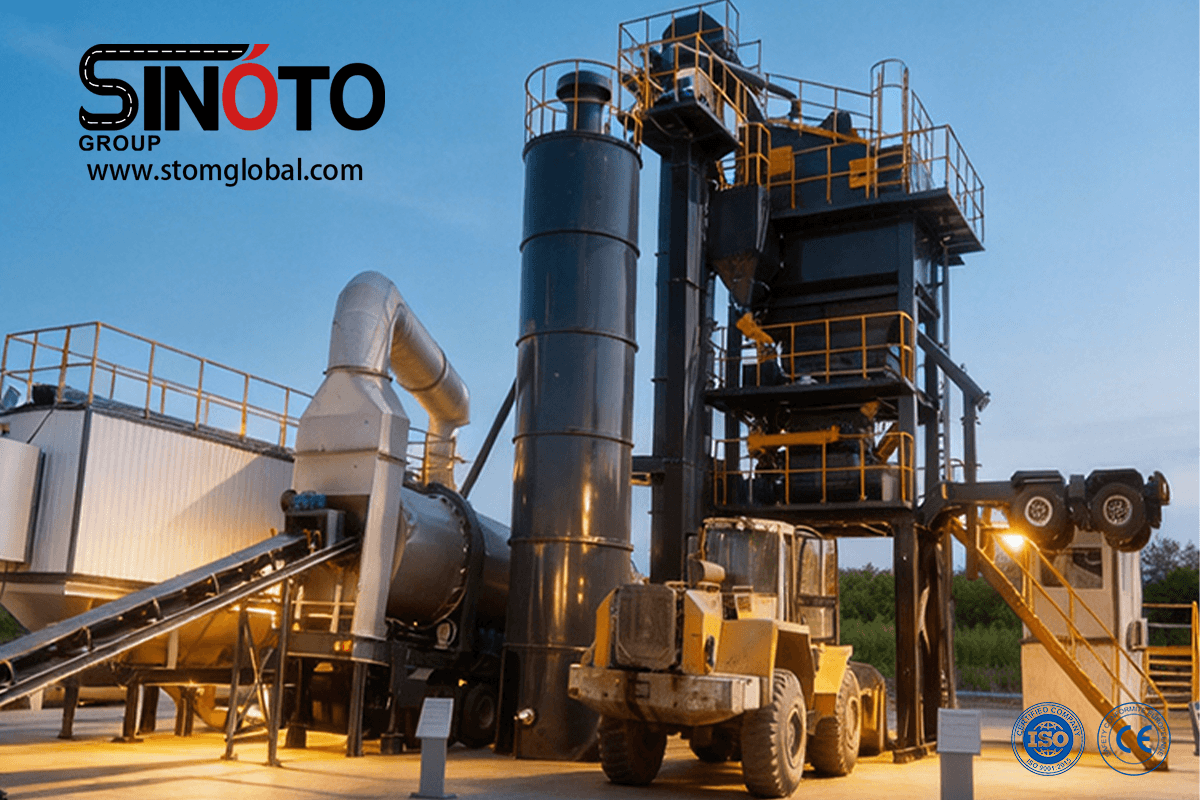
SINOTO offers stationary asphalt mixing plants, mobile asphalt batching plants, continuous asphalt mixing plants, and continuous forced asphalt mixing plants for different road construction requirements. These configurations support different production processes and site conditions, so maintenance schedules should always be adapted to the selected model and its operating manual.
This guide explains how to maintain an asphalt mixing plant, which components require regular inspection, how to prevent common failures, and what buyers should evaluate when choosing a hot mix plant manufacturer.
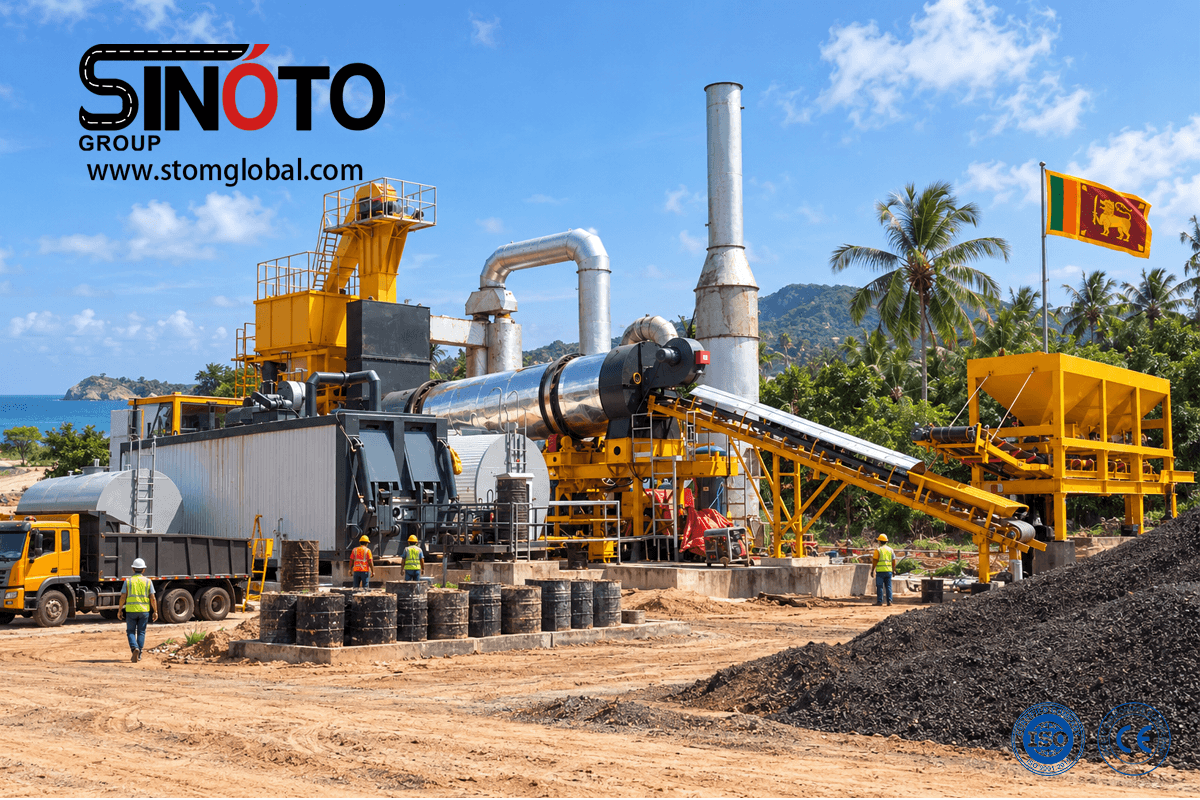
A complete asphalt mixing plant includes several interconnected systems. A failure in one component can affect the entire asphalt manufacturing process, resulting in production interruptions, inconsistent mixture quality, or unnecessary material waste.
The first step is to establish a daily inspection routine covering mechanical components, heating systems, electrical controls, and environmental protection equipment.
The cold aggregate feeding system supplies different aggregate sizes to the drying process. Operators should inspect conveyor belts, rollers, bearings, belt tension, and feeding gates before starting production.
Remove accumulated material and check for belt misalignment, unusual noise, loose fasteners, or damaged components. Uneven aggregate feeding can disrupt the mix design and reduce the stability of asphalt batching.
For a portable asphalt batch plant, inspect transport connections, supporting structures, and fasteners after relocation. Vibration during transportation may loosen connections or affect alignment.
The drying system removes moisture from aggregates and brings them to the required processing temperature. Excess moisture, unstable burner performance, or inaccurate temperature readings can increase fuel consumption and affect production quality.
Operators should check burner ignition, flame stability, fuel lines, temperature sensors, and visible signs of leakage. Clean the relevant components according to the manufacturer’s instructions and verify that safety interlocks work correctly.
For a drum mix plant manufacturer’s equipment, the drying and mixing process may take place continuously in the drum. Regular inspection of drum drive components, internal wear areas, and burner performance is particularly important.
In a batch type hot mix batching plant, the mixer, weighing equipment, and bitumen injection system are critical to achieving consistent asphalt mixtures. Check mixer arms, liners, discharge gates, hydraulic or pneumatic components, and bitumen pump operation.
For a drum type hot mix plant, inspect the relevant material feeding, bitumen spraying, drum drive, and mixing components according to the equipment configuration.
Daily maintenance checklist
Inspect conveyors, bearings, and visible mechanical connections.
Check burner operation, fuel lines, and temperature readings.
Inspect bitumen pumps, heated pipelines, and valves.
Check mixer components, discharge gates, and abnormal vibration.
Review control panel alarms and production records.
Inspect dust collection equipment and check for visible leakage.
Maintenance tip: Always shut down the relevant equipment, isolate energy sources, and follow lockout procedures before cleaning, adjustment, or repair. Hot bitumen, rotating machinery, pressurized systems, and elevated working areas present serious hazards.
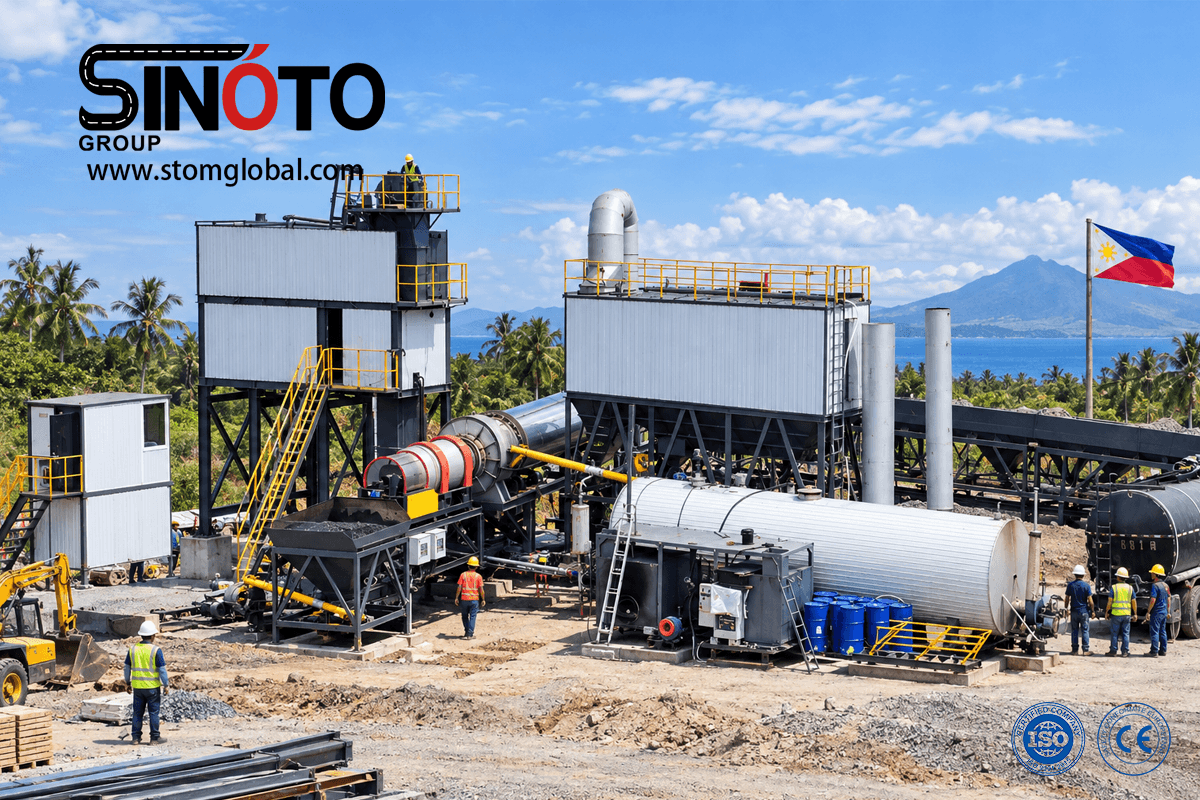
The best maintenance schedule depends on operating hours, aggregate abrasiveness, production volume, ambient conditions, fuel type, and the manufacturer’s recommendations. A hot mix plant operating for extended shifts may require more frequent inspections than equipment used for occasional road repairs.
The following table provides a practical starting point for maintenance planning. It is a general checklist, not a substitute for the maintenance intervals specified in the equipment manual.
| Maintenance frequency | Main inspection tasks | Business benefit |
|---|---|---|
| Before each shift | Safety devices, conveyors, burner, sensors, leaks | Identify visible problems early |
| Daily | Clean accessible areas, inspect mixer and bitumen system, record alarms | Maintain consistent operation |
| Weekly | Check belts, fasteners, bearings, lubrication points, and dust collector condition | Reduce progressive wear |
| Monthly or at specified operating hours | Inspect wear parts, calibrate weighing systems, check motors and electrical connections | Protect production accuracy |
| Before relocation | Secure components, inspect transport connections, protect sensitive equipment | Reduce transport-related damage |
| After relocation | Check alignment, connections, guards, sensors, and safety interlocks | Support safe recommissioning |
| During scheduled shutdown | Conduct a comprehensive inspection and replace worn parts as needed | Extend equipment service life |
Insufficient lubrication can increase friction, heat, bearing wear, and mechanical failure. Follow the prescribed lubrication chart and use the specified lubricant for each bearing, gearbox, and drive system.
Calibration is equally important. Incorrect weighing signals or faulty temperature sensors can lead to inconsistent mixtures, rejected materials, and avoidable rework.
For example, SINOTO’s stationary asphalt batching plant specifications list weighing accuracy references of ±0.5% for hot aggregate, ±0.25% for bitumen, and ±0.2% for filler. These are published equipment specifications, not guaranteed results for every operating condition. Routine calibration and proper operation help maintain the performance required by the project.
A useful maintenance KPI is to track downtime hours, recurring faults, spare parts consumption, and rejected mixture alongside production tonnage. These records help maintenance teams identify patterns before small problems become costly failures.
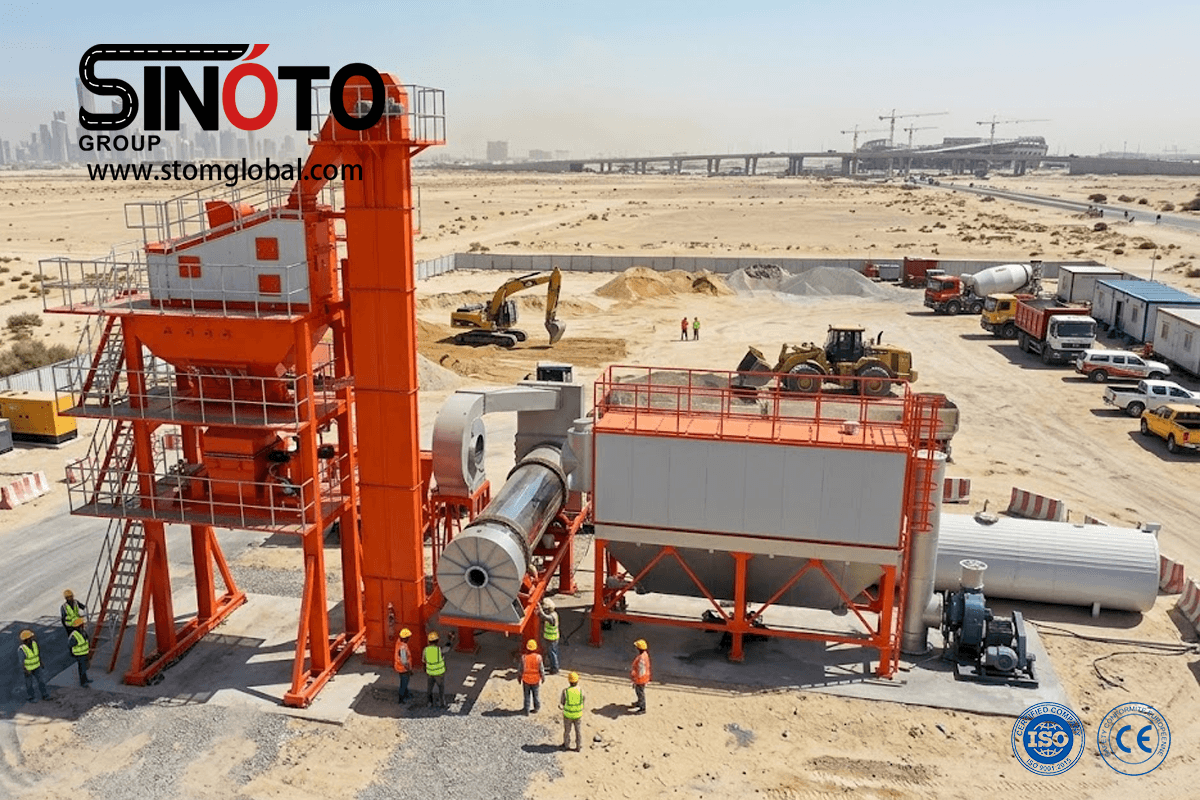
Unplanned shutdowns can delay paving operations, disrupt delivery schedules, and increase labor and equipment costs. Preventive maintenance is generally more economical than waiting for a component to fail during production.
Conveyors may develop belt misalignment, worn rollers, or material buildup. Mixers can experience wear on mixing arms and liners, while drive systems may show unusual noise, vibration, or temperature changes.
Establish inspection records for critical components. Replace parts when they reach the applicable wear limits rather than waiting for complete failure. Keep frequently used consumables and approved replacement parts available based on the equipment’s maintenance history.
Dust collection is important for both environmental compliance and reliable plant operation. Inspect filter bags, pulse-cleaning components, pressure differential readings, dust discharge equipment, seals, and fan performance.
A damaged filter bag, blocked discharge system, or leaking duct can reduce dust collection efficiency and interrupt production. Clean and replace components according to the manufacturer’s instructions and applicable environmental requirements.
For a plant asphalt installation operating in a dusty or humid environment, inspection frequency may need to increase. The correct interval depends on operating conditions, filter material, and measured system performance.
Modern asphalt mixing equipment may use PLC-based control systems to coordinate feeding, heating, weighing, mixing, and discharge. Review alarms and sensor readings regularly, protect electrical cabinets from dust and moisture, and check connections only when equipment is safely isolated.
Keep records of recurring alarms and changes in production performance. If a fault involves PLC logic, burner safety controls, or complex electrical systems, use qualified technicians rather than making undocumented adjustments.
A hot mix mobile plant can provide flexibility for contractors handling multiple projects, rural roads, and short-term maintenance work. However, frequent relocation introduces additional inspection requirements.
Before transportation, secure loose components, protect sensors and electrical connections, inspect trailer or skid structures, and follow the approved dismantling procedure. After arrival, verify alignment, fasteners, connections, guards, and control systems before commissioning.
This is particularly relevant when choosing a mobile asphalt batching plant for projects where equipment must move regularly between sites.
Cost-control principle: Preventive maintenance is most effective when it combines scheduled inspections, operating data, trained operators, and access to suitable spare parts. A maintenance checklist alone cannot replace competent diagnosis or safe repair procedures.
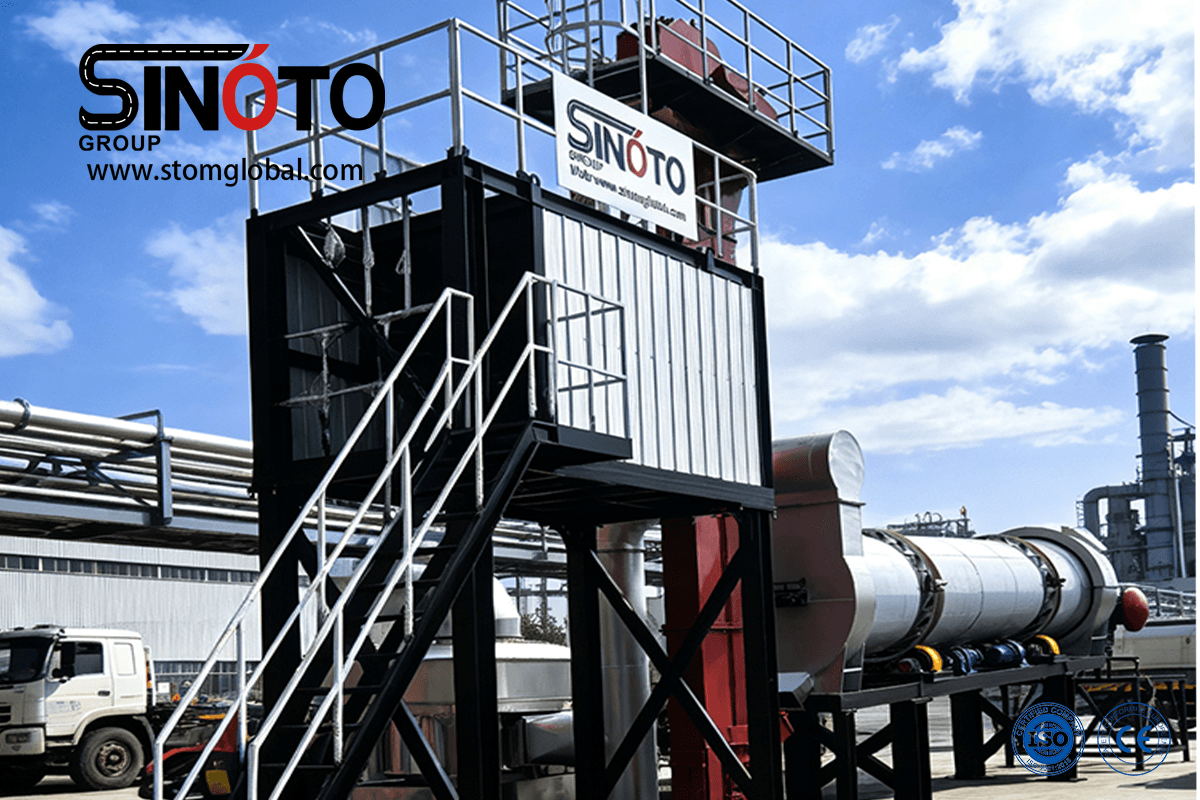
Buyers should evaluate maintenance requirements before purchasing asphalt mixing equipment. The lowest initial quotation does not necessarily represent the lowest lifetime operating cost.
Important considerations include component accessibility, replacement-part availability, control system design, cleaning requirements, local technical support, and the frequency of equipment relocation.
| Plant configuration | Typical application | Key maintenance considerations |
|---|---|---|
| Stationary hot mix batching plant | Long-term highway, airport, and municipal projects | Mixer wear, weighing calibration, dust collection, and scheduled servicing |
| Portable asphalt batch plant | Projects requiring relocation and batch production | Transport connections, assembly checks, calibration, and commissioning |
| Drum type hot mix plant | Continuous production applications, depending on configuration | Drum drive, burner, feeding system, bitumen spraying, and wear inspection |
| Continuous forced asphalt mixing plant | Continuous-process production with a weighing system and twin-shaft mixer | Feeding accuracy, weighing components, mixer wear, and control system checks |
| Recycled asphalt plant | Projects incorporating reclaimed asphalt pavement where supported | RAP feeding, temperature management, material handling, and recycling-system inspection |
The correct solution depends on project duration, required output, mix design, mobility, and local environmental requirements. A drum mix plant manufacturer may offer a suitable solution for continuous production, while a batch plant may better suit projects requiring different aggregate gradations and batch-by-batch control.
Contractors searching for a hot mix plant near me or asphalt mixing plants near me should also compare installation support, delivery costs, spare parts logistics, and after-sales service. Proximity alone does not establish equipment quality or long-term value.
SINOTO’s product range includes stationary, mobile, continuous, and continuous forced asphalt mixing plants. The published stationary plant information highlights modular construction, automatic computer control using an industrial PC and PLC, and dust collection systems.
These features can support easier component access, more organized operation, and more effective fault monitoring when correctly configured and maintained. Actual maintenance requirements vary by model, operating conditions, and optional equipment.
Before placing an order, ask the hot mix plant manufacturer to clarify:
For asphalt manufacturing businesses, evaluating these points can help control total ownership costs and reduce the risk of extended production interruptions.
A sustainable maintenance plan combines preventive inspections, planned servicing, accurate records, and technical support. It should also account for seasonal shutdowns, changes in aggregate quality, relocation schedules, and production demand.
Start by assigning clear responsibilities. Operators should complete routine inspections and report abnormal conditions. Maintenance technicians should perform scheduled servicing and approved repairs. Supervisors should review maintenance records, recurring faults, downtime, and spare parts consumption.
Next, develop a critical-spares list based on the selected equipment model. Depending on plant configuration, this may include filter bags, bearings, seals, belts, sensors, burner components, and other designated wear parts. Store and replace parts according to manufacturer guidance rather than using unsuitable substitutes.
Finally, review performance data at regular intervals. Compare actual downtime and maintenance expenditure with production targets. Repeated failures in the same component may indicate incorrect adjustment, unsuitable operating practices, contamination, or a need for technical inspection.
A reliable supplier should help you understand the maintenance requirements before the plant reaches your site. Request the operating manual, recommended inspection checklist, maintenance schedule, spare parts list, and training plan during the purchasing process.
Whether you need a stationary pavement plant for large infrastructure projects or a mobile solution for distributed road maintenance, selecting suitable equipment and establishing a maintenance system from the beginning can help improve reliability and protect your investment.
SINOTO provides asphalt mixing plant solutions for different production requirements. Share your target capacity, project location, preferred plant configuration, and expected operating schedule to discuss the most appropriate equipment and maintenance support.
Planning a new asphalt manufacturing project or upgrading your existing hot mix plant? Contact SINOTO to discuss plant selection, configuration, technical specifications, and maintenance requirements.
Request a SINOTO Asphalt Mixing Plant Quote
WhatsApp: +86 190 5958 1045
Email: info@stomglobal.com
#AsphaltMixingPlant #AsphaltBatching #HotMixPlant #AsphaltPlantMaintenance #RoadConstruction #SINOTO

Whatsapp ID: 8619059581045

WeChat ID: +8619059581045

