An asphalt plant is essential for producing high-quality hot mix asphalt for highways, municipal roads, airport runways, and commercial paving projects. Understanding how an asphalt plant works helps contractors, road construction companies, and equipment investors select the right machinery, control operating costs, and improve project profitability.
Whether you are comparing asphalt batching plant price, evaluating a mobile hot mix asphalt plant, or searching for reliable asphalt equipment manufacturers, understanding the production process is the first step toward making a cost-effective investment.
SINOTO provides asphalt mixing equipment solutions for different construction requirements, including stationary asphalt batching plants, mobile asphalt batching plants, and continuous asphalt mixing plants. Choosing the appropriate configuration can help balance production efficiency, mix quality, installation requirements, and long-term operating expenses.
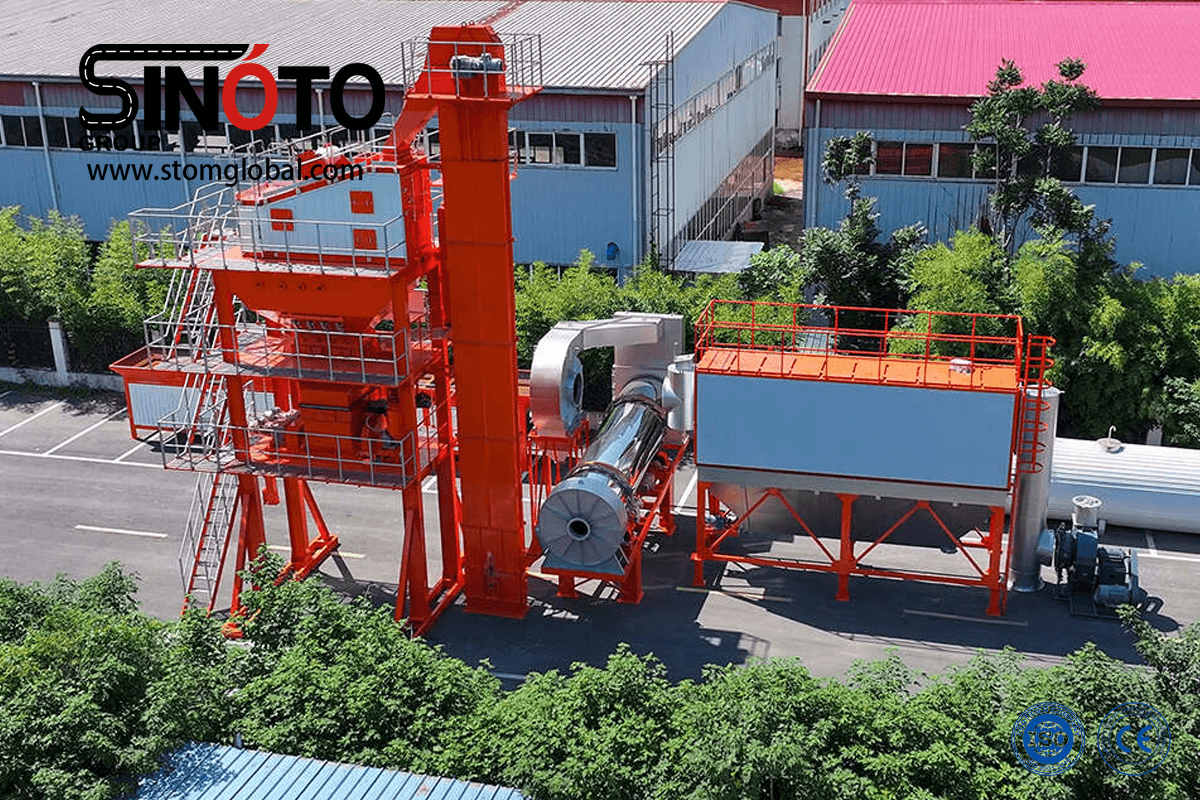
An asphalt mixing plant combines aggregates, bitumen, mineral filler, and other approved additives at controlled temperatures and proportions to produce hot mix asphalt (HMA). Although equipment configurations differ, the basic production process involves material feeding, drying, heating, proportioning, mixing, and finished-product discharge.
The process begins with cold aggregate bins containing different sizes of crushed stone, sand, and other mineral materials. Variable-speed feeders regulate the material flow according to the required mix design.
Accurate feeding helps maintain aggregate gradation and provides a consistent foundation for asphalt mixture quality.
Aggregates travel into a rotary drying drum, where a burner generates heat to remove moisture and raise the material temperature to the specified operating range.
Moisture control is particularly important because wet aggregates require more energy to heat, increasing fuel consumption and potentially reducing production capacity.
In a conventional batch mix plant, heated aggregates pass through a vibrating screen and are separated into different sizes. Individual weighing systems then measure aggregates, mineral filler, and bitumen according to the selected formula.
A continuous asphalt drum plant generally uses controlled material feed rates and flow measurement instead of separate weighing for every batch.
Heated aggregates are combined with the required amount of bitumen. In a batch asphalt concrete plant, a forced-action mixer thoroughly blends each measured batch. In a drum mixing system, drying and mixing are integrated into a continuous production process.
The objective is to achieve uniform coating, consistent gradation, and compliance with the project’s approved mix design.
Finished asphalt is discharged directly into transport vehicles or temporarily stored in an insulated silo, depending on the plant configuration.
The mixture must retain the temperature specified by the project and asphalt mix design during transportation, paving, and compaction.
📌 Production insight: Consistent asphalt quality depends on more than nominal plant capacity. Aggregate moisture, burner performance, accurate proportioning, bitumen temperature, mixing time, and routine maintenance all influence actual production efficiency.
Asphalt production workflow infographic
Cold aggregate bins → Controlled feeding → Drying and heating → Screening and weighing (batch plants) → Bitumen addition and mixing → Finished asphalt discharge → Road paving and compaction.
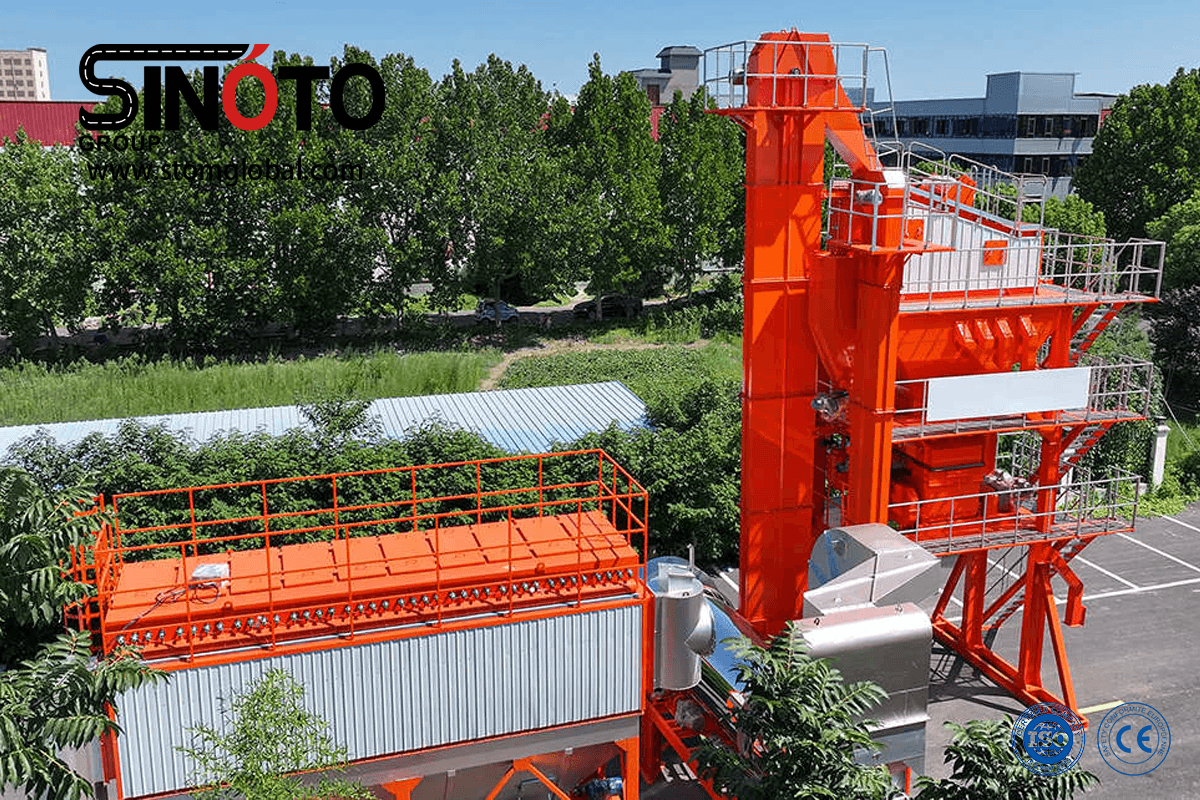
Different projects require different production capacities, mix specifications, site arrangements, and mobility levels. Selecting the right hot mix plant for road construction starts with understanding the differences between batch mixing and continuous drum mixing.
A batch mix plant produces asphalt in separate, measured batches. Its screening, weighing, and mixing systems allow operators to adjust mix designs with greater flexibility.
A drum mix plant produces asphalt continuously. Its integrated design generally has fewer major process stages, making it attractive for projects that require sustained production of relatively consistent mixtures.
| Comparison factor | Batch mix plant | Drum mix plant |
|---|---|---|
| Production method | Separate batches | Continuous flow |
| Mix design flexibility | High | Best for consistent formulations |
| Aggregate grading control | Hot screening and separate weighing | Primarily controlled through feed proportions |
| Typical investment | Generally higher | Often lower for comparable project needs |
| Equipment structure | More separate processing systems | More integrated processing system |
| Suitable applications | Highways, airports, multiple mix specifications | General road construction and sustained production |
Actual investment and operating costs depend on capacity, configuration, fuel system, environmental equipment, installation, and local conditions.
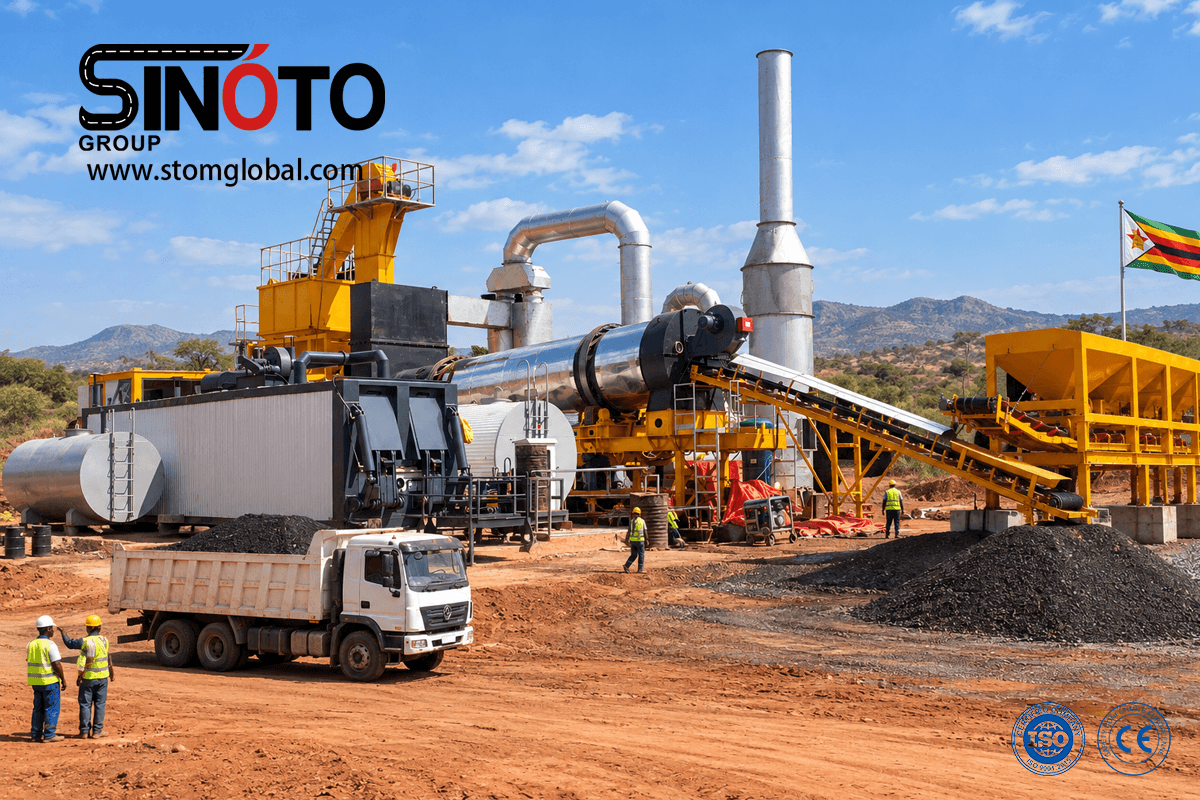
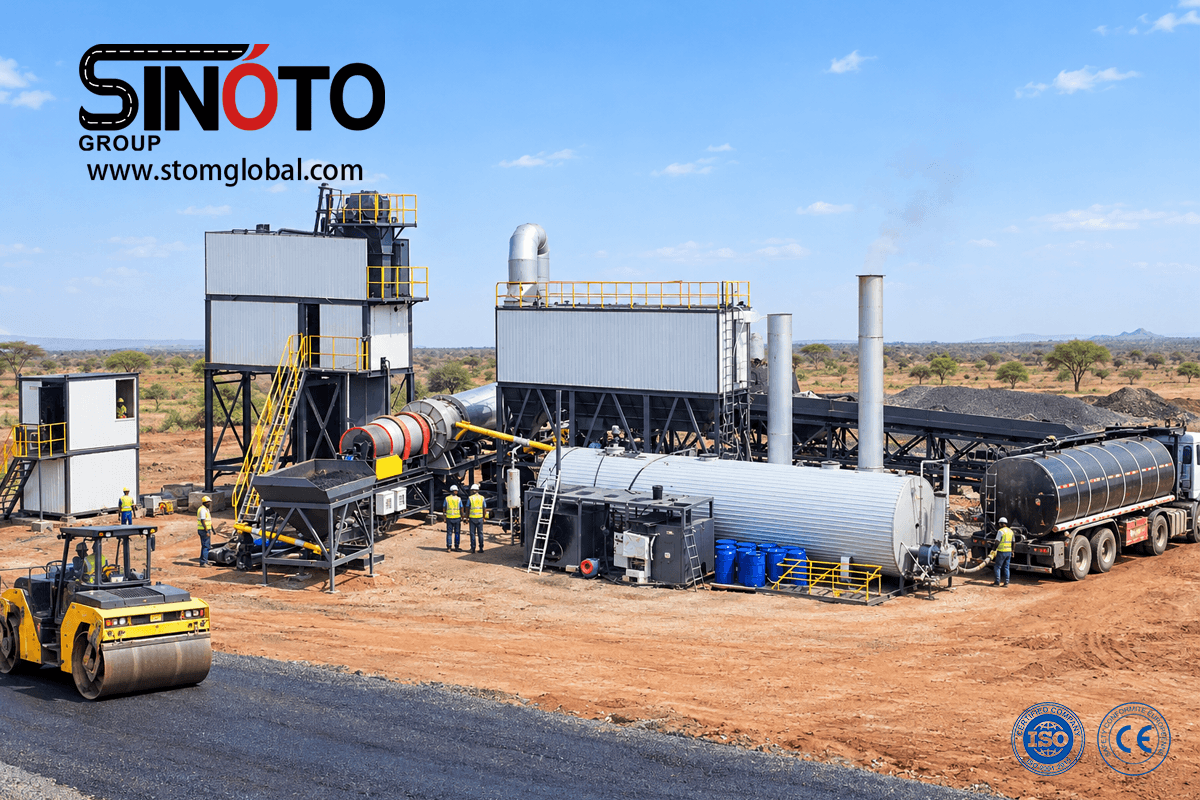
A mobile hot mix asphalt plant is worth considering when contractors work across multiple project sites, need flexible installation, or want to reduce the effort involved in relocating production equipment.
A mobile asphalt batching plant may suit projects that require batch-level mix control, while a mobile asphalt drum mix plant may be appropriate for sustained production with fewer changes in mix specifications.
Before purchasing, evaluate transportation dimensions, installation time, site access, power requirements, aggregate supply, and the distance between the plant and paving locations.
Before requesting quotations, identify your daily asphalt demand, required hourly output, local environmental regulations, available fuel, aggregate characteristics, and expected project duration.
SINOTO offers several asphalt mixing plant configurations to help buyers match equipment selection to their construction requirements.
Explore the available models here: SINOTO Asphalt Mixing Plant Solutions.
The asphalt batching plant price is an important purchasing consideration, but the lowest initial quotation does not necessarily deliver the best return on investment.
Buyers should compare the complete equipment configuration and estimate operating expenses over the expected service life.
The hot mix plant price typically varies according to several major factors:
The same considerations apply when comparing asphalt batch mix plant price, batch mix plant price, bitumen hot mix plant price, and asphalt hot mix plant price.
| Cost category | What buyers should verify |
|---|---|
| Initial equipment price | Included machinery, rated capacity, and standard configuration |
| Installation | Foundation, assembly, electrical work, and commissioning |
| Fuel consumption | Expected usage under specified aggregate moisture and operating conditions |
| Maintenance | Wear parts, servicing intervals, and spare parts availability |
| Environmental compliance | Dust collection and locally required emission controls |
| Logistics | Freight, unloading, transport permits, and delivery schedule |
| Technical support | Training, troubleshooting, warranty, and parts supply |
For example, the mobile hot mix plant price may differ considerably depending on whether the quotation includes transport-ready modules, auxiliary equipment, automation, and installation support.
Likewise, an asphalt batching plant price should be compared against the actual production capacity and specifications offered rather than equipment names alone.
💡 Buyer tip: Request an itemized quotation with the rated output, configuration, fuel consumption assumptions, included accessories, installation scope, warranty terms, and spare parts list. Comparing these details makes supplier quotations much more meaningful.
SINOTO’s equipment range includes stationary, mobile, and continuous asphalt mixing solutions. Matching the equipment to your project requirements can help avoid paying for unnecessary features or selecting a plant that cannot meet your production targets.
Efficient asphalt production requires coordination between equipment selection, raw material management, process control, and maintenance. Even a high-capacity plant can experience excessive fuel consumption or inconsistent output if its operating conditions are poorly managed.
Store aggregates appropriately to reduce unnecessary moisture, and maintain stable material levels in the cold bins. Consistent feeding helps the drying system operate more efficiently and reduces fluctuations in production.
Monitor aggregate heating, bitumen temperature, material flow, and mixing time. Batch plants offer separate weighing and hot screening, while drum plants rely on stable continuous feeding and calibrated flow-control systems.
The correct operating settings should always follow the approved mix design, equipment manufacturer’s instructions, and applicable construction standards.
Inspect burner components, conveyor belts, mixer blades, weighing sensors, filters, and safety interlocks regularly. Preventive maintenance can reduce unplanned downtime and help maintain consistent output.
Environmental equipment should be selected according to local regulations and the plant’s actual operating conditions.
Oversized equipment can increase capital and operating costs if it runs inefficiently at low utilization. Undersized equipment may create paving delays and prevent contractors from meeting project schedules.
For buyers comparing an asphalt drum plant with a batch system, the best choice depends on required output, mixture specifications, production continuity, and the need to change formulas.
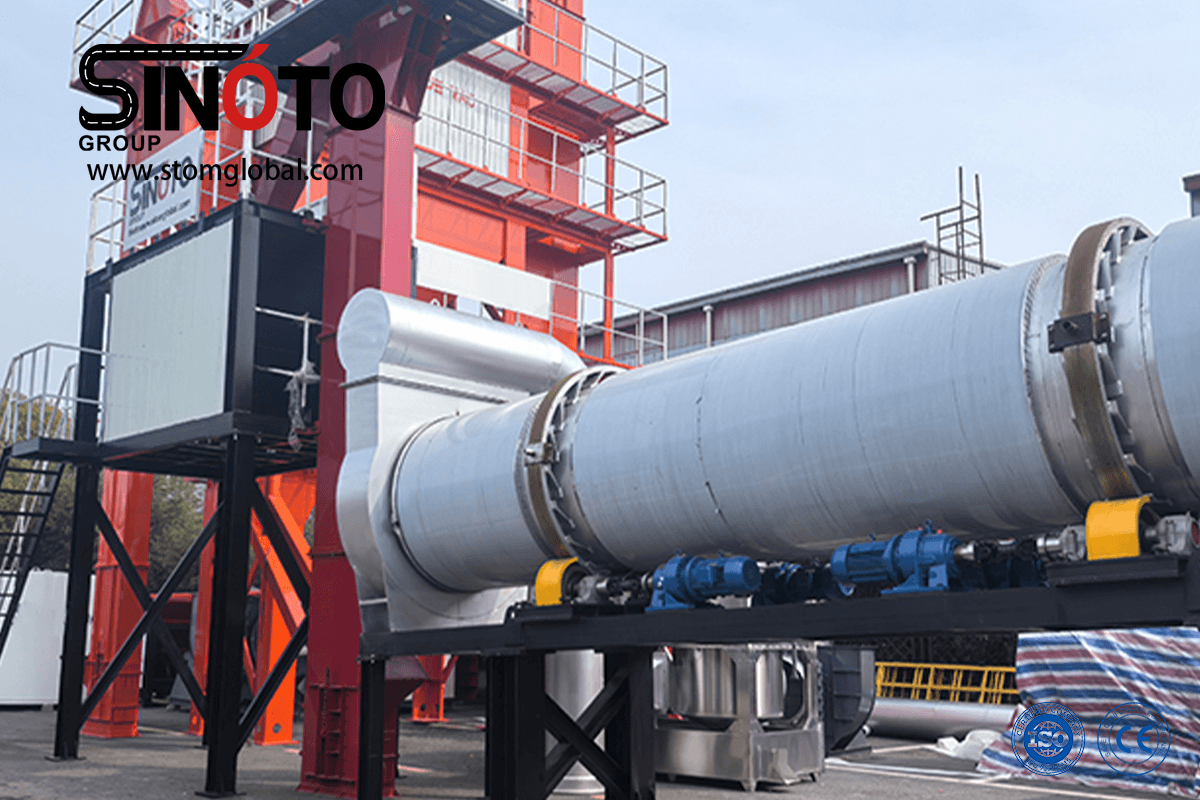
A reliable supplier should provide more than machinery. Buyers should evaluate equipment specifications, technical documentation, configuration flexibility, installation guidance, spare parts availability, and after-sales support.
If you are searching online for hot asphalt suppliers near me, compare local service coverage with the complete capabilities of international manufacturers. A nearby supplier may offer convenient site support, while an experienced manufacturer may provide a wider selection of equipment configurations or export experience. Confirm the actual service arrangements before making a decision.
Before choosing a supplier, ask these questions:
SINOTO supplies road construction machinery and asphalt mixing equipment solutions for infrastructure projects. Its product range includes stationary asphalt batching plants, mobile asphalt batching plants, continuous asphalt mixing plants, and continuous forced asphalt mixing plants.
Review the equipment range and discuss your project requirements with the supplier before finalizing a purchase.
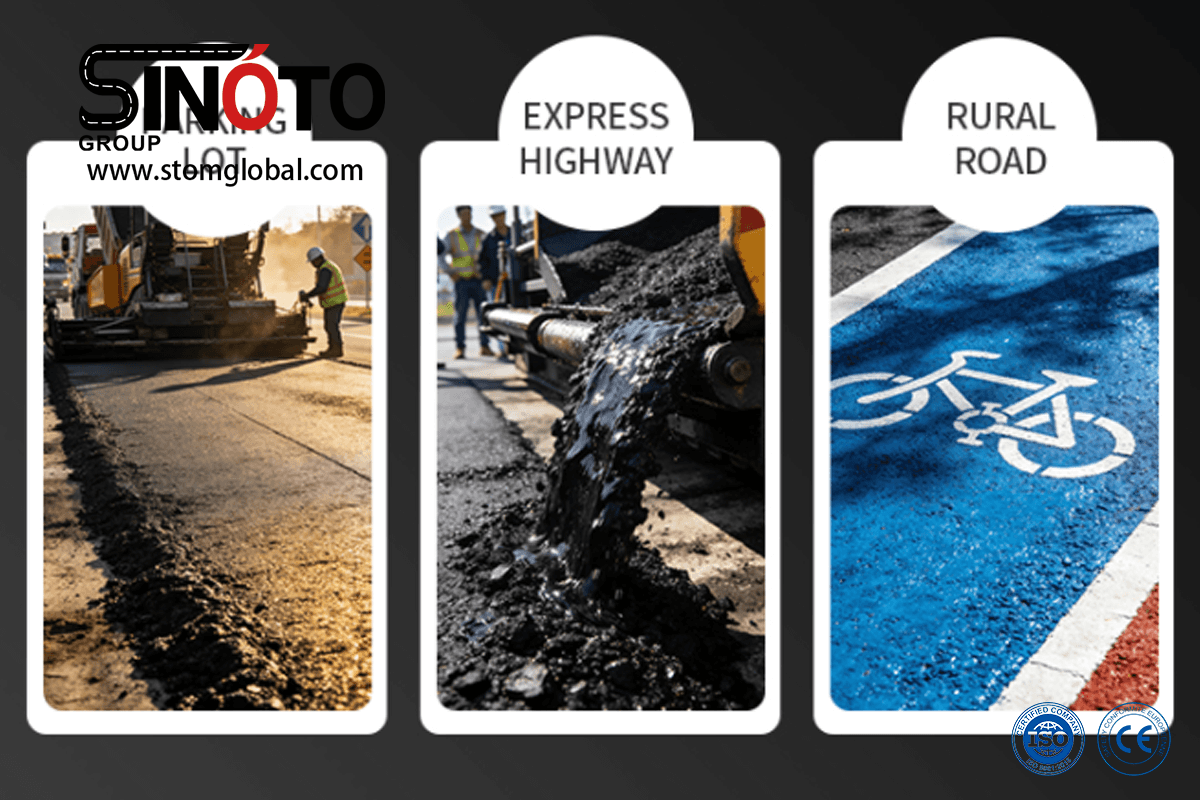
Understanding how an asphalt plant works helps you evaluate production technology, compare equipment configurations, and estimate the total cost of ownership.
A batch mix plant is particularly useful when precise proportioning and flexible mix designs are important. A drum mix plant may be attractive for continuous production and a simpler process layout. Mobile equipment can offer additional flexibility for contractors working across different locations.
When evaluating asphalt batching plant price, hot mix plant price, or a mobile asphalt drum mix plant, consider production capacity, fuel consumption, environmental requirements, installation costs, and technical support together.
The right equipment is the one that meets your project specifications while supporting reliable production, manageable operating expenses, and long-term business growth.
Ready to find the right asphalt mixing plant for your project?
Contact SINOTO to discuss your required capacity, preferred plant type, project location, and budget. Request a customized quotation and equipment recommendation based on your actual construction needs.
Request an Asphalt Mixing Plant Quote from SINOTO →
Contact SINOTO
#AsphaltMixingPlant #AsphaltBatchingPlant #HotMixAsphalt #RoadConstruction #AsphaltPlantPrice

Whatsapp ID: 8619059581045

WeChat ID: +8619059581045

