If you have ever watched an asphalt distributor truck creep along a highway shoulder, slow to a stop at a junction, then accelerate again, you have probably asked the same question every paving contractor eventually asks: does the spray rate change with the truck’s speed, or does the operator have to do it manually? The short answer is yes — on a modern intelligent asphalt distributor, the spraying rate adjusts automatically and continuously as truck speed changes. This article explains exactly how that works, why it matters for pavement quality, and what to look for when comparing a bitumen distributor truck for sale.
Every asphalt distributor truck works on a simple physical relationship: the volume of bitumen sprayed per square meter depends on how much liquid comes out of the nozzles (the pump flow rate) versus how fast the spray bar is moving over the road (truck speed). If the pump flow stayed fixed while the truck slowed down, that stretch of road would receive too much bitumen. If the truck sped up without the pump compensating, the road would be under-sprayed. Neither outcome is acceptable on a highway seal coat or waterproof layer.
On an intelligent bitumen distributor, this problem is solved automatically. A radar-based speed sensor mounted on the chassis continuously measures real ground speed — not just engine RPM or gearbox output, which can be inaccurate on grades or when tires slip. That speed signal is sent in real time to an industrial control system (commonly an IDEC PLC on higher-end units), which recalculates the required bitumen pump output dozens of times per second and adjusts a hydraulic proportional valve accordingly. The bitumen pump, driven independently by an auxiliary engine or PTO rather than the main truck engine, then increases or decreases flow to match.
The result is a system that keeps spray volume error within a tight tolerance — typically around ±1.5% on well-built machines — no matter how the truck’s speed fluctuates through a real-world work zone with curves, gradients, traffic control stops, and operator throttle variation.
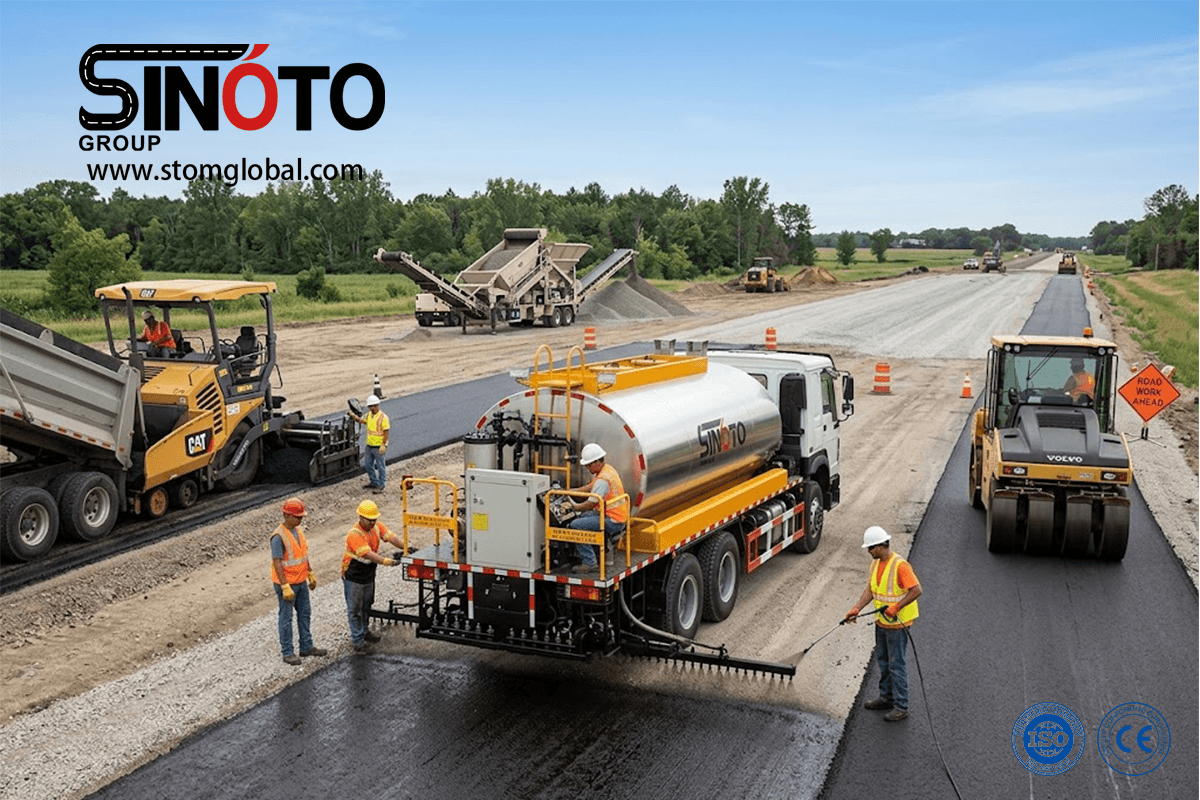
It’s worth stepping back and asking why this level of precision matters so much for an asphalt sprayer. Bitumen application rate is not a cosmetic detail — it is a structural and durability variable in the pavement itself.
Speed-synchronized automatic control removes the human variable from this equation. A skilled operator can drive smoothly, but no human reaction time can match a PLC recalculating pump output multiple times per second. This is precisely why highway agencies and large paving contractors increasingly specify “automatic bitumen distributor with intelligent control” in their equipment requirements rather than accepting manually throttled units.
“The quality of a seal coat or tack coat is decided in seconds, not days — by how evenly the binder is laid down while the truck is moving. Speed compensation is the single feature that separates a professional-grade asphalt distributor from a basic tank-and-pump setup.”— Paving equipment engineering perspective, based on field application standards
Beyond quality, automatic speed compensation also improves jobsite efficiency. Operators don’t need to constantly watch a speedometer and manually trim a throttle valve; they can focus on steering a straight, consistent line while the control system manages dosing. On projects with tight paving windows — such as night work or lane-closure schedules — this reduces both material waste and the risk of costly rework.
Speed-synchronized spraying is a standard feature across most tank sizes in a well-designed product line, but the practical experience of using it does vary by model, mainly because of tank capacity, pump capacity, and spraying width. Below is a side-by-side look at two of the most commonly ordered models — the 6000L bitumen distributor and the 8000L asphalt distributor — both of which use the same core automatic control architecture.
| Parameter | 6000L Bitumen Distributor (STBD-6000) | 8000L Asphalt Distributor (STBD-8000) |
|---|---|---|
| Chassis Configuration | 4×2 | 4×2 |
| Bitumen Tank Capacity | 6,000 L | 8,000 L |
| Spraying Width | 1.2 – 4.0 m | 1.2 – 4.5 m |
| Nozzle Quantity | 28 pcs | 28 pcs |
| Spraying Capacity | 0.15 – 1 L/㎡ | 0.25 – 2.5 L/㎡ |
| Bitumen Pump Model / Capacity | QGB680 / 680 L/min | QGB680 / 680 L/min |
| Control System | IDEC PLC with radar speed sensor | IDEC PLC with radar speed sensor |
| Overall Size (L×W×H) | 7650×2300×3080 mm | 8300×2496×3048 mm |
| Curb Weight / Total Weight | 6,800 kg / 14,000 kg | 9,000 kg / 19,000 kg |
Technical parameters based on STBD series bitumen distributor specifications.
Both models use the same automatic adjustment logic: an industrial computer receives the real-time speed feedback and target application-rate input from the operator, then continuously adjusts the hydraulic proportional valve controlling bitumen pump output. The main practical difference is operating endurance and coverage per tank load — the 8000L asphalt distributor can cover more linear meters of road before needing to refill, which matters most on longer highway sections, while the 6000L bitumen distributor is often preferred for municipal roads, maintenance patching, and projects where maneuverability and a lighter total weight are priorities.
Larger models in the same series — the STBD-10000, STBD-12000, and STBD-15000 — scale up tank capacity to 10,000L, 12,000L, and 15,000L respectively, and step up to the higher-output QGB950 bitumen pump (950 L/min) to keep spraying performance consistent even at wider spray widths of up to 4.5 meters.
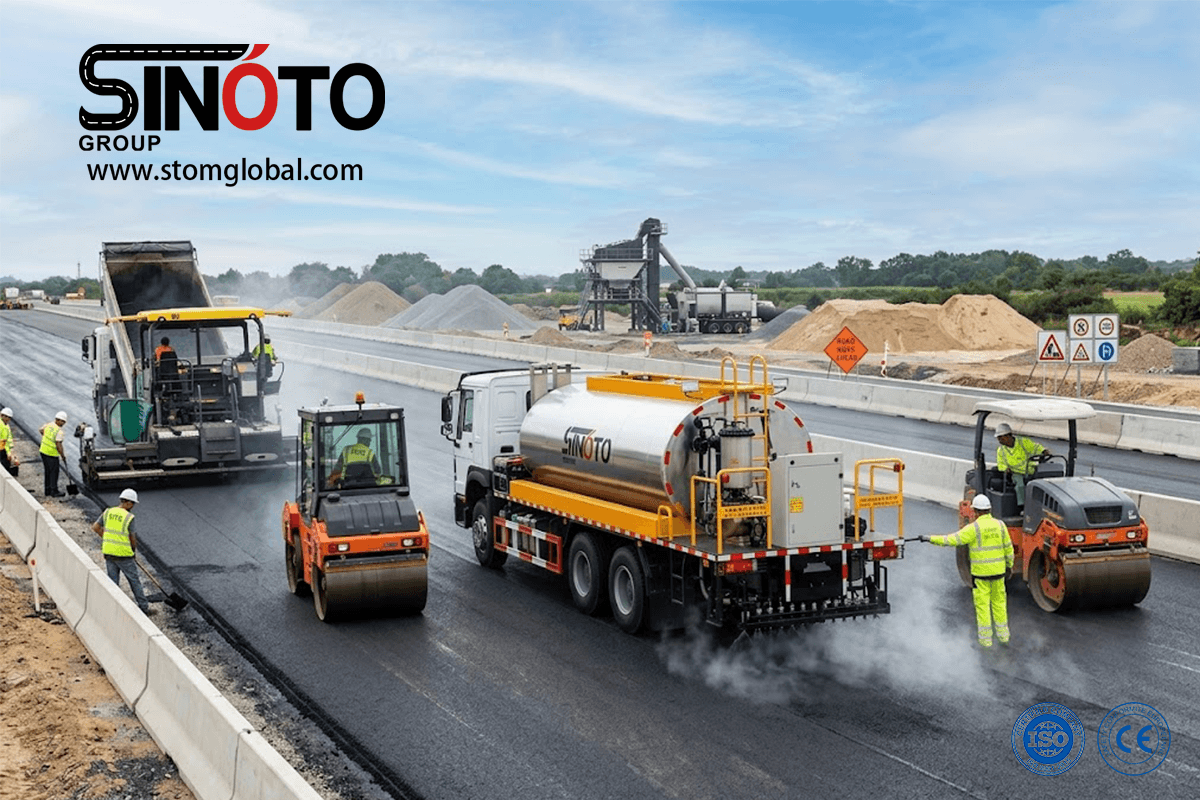
Not every asphalt distributor manufacturer implements speed-based automatic control the same way, and the difference shows up in the field. When evaluating an asphalt sprayer manufacturer or comparing a bitumen distributor truck for sale, it helps to ask specific technical questions rather than relying on marketing terms like “intelligent” alone.
A reputable asphalt distributor manufacturer should be able to answer all of these clearly, provide documented spraying-error tolerances (commonly around ±1.5% on quality-built machines), and support the automatic system with features like triple-overlap spray bar technology for zero-gap coverage and thermal oil circulation heating to keep bitumen at a stable, sprayable temperature even during long hauls to remote job sites.
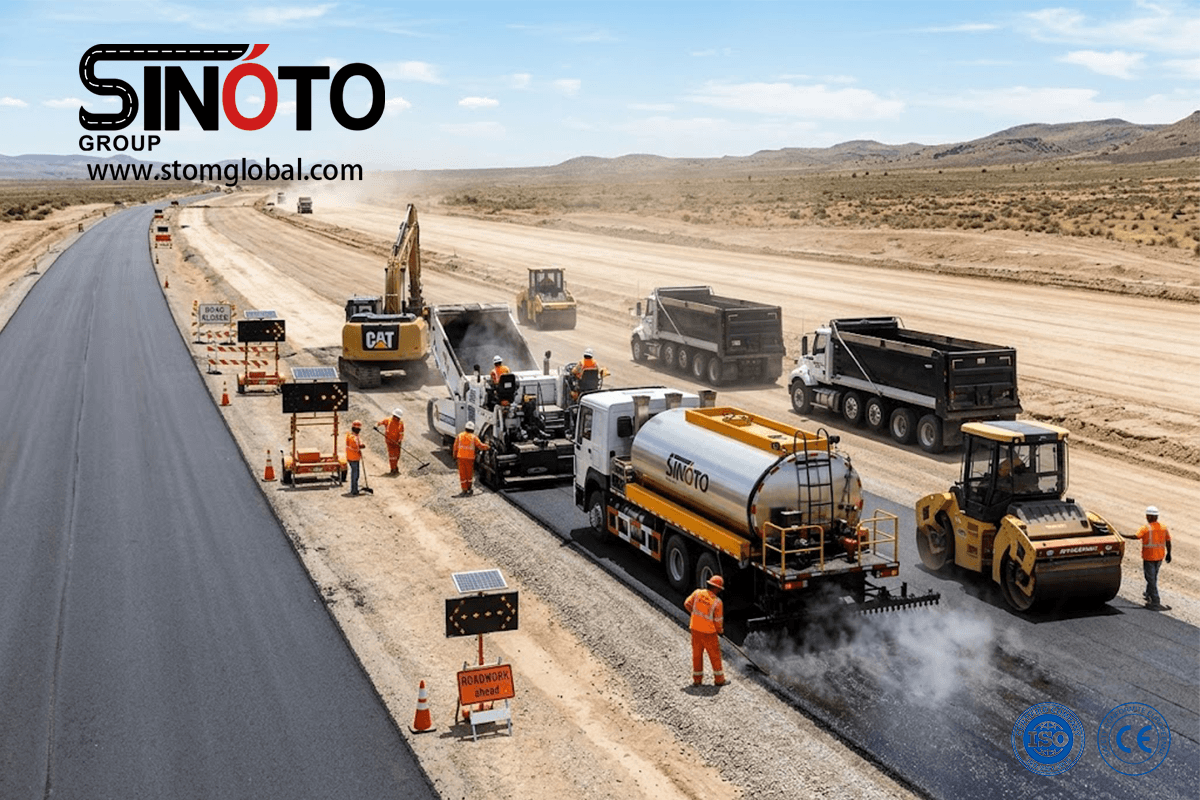
Once the automatic speed-compensation feature is confirmed, the remaining question for most buyers is straightforward: what does a bitumen distributor price look like, and how do you compare an asphalt distributor price across different tank sizes and chassis options?
In practice, asphalt distributor price is driven by several factors beyond tank capacity alone:
Because pricing depends heavily on chassis sourcing, tank capacity, and control system specification, the most reliable way to get an accurate bitumen distributor price or asphalt distributor price for your specific project is to request a detailed quotation with your target tank size, spraying width, and chassis preference specified up front.
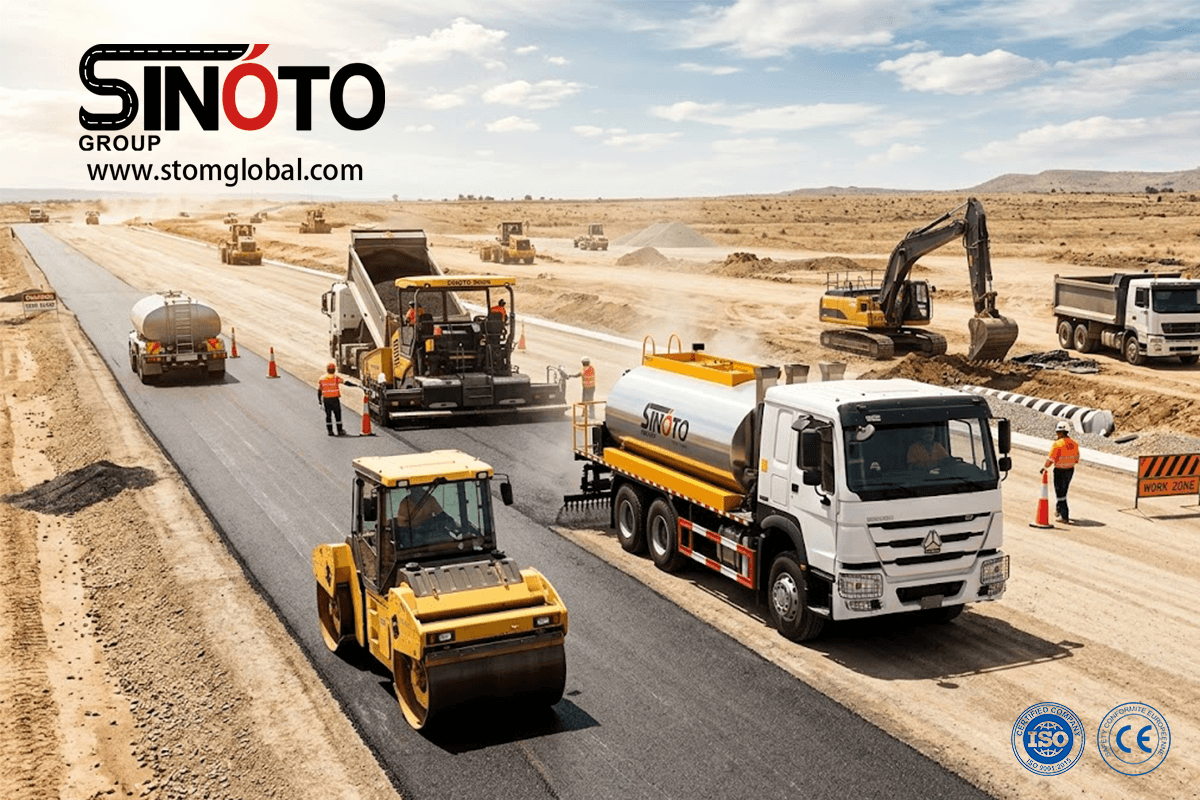
To answer the original question directly: yes, on a properly engineered asphalt distributor truck, the spraying rate does automatically adjust according to truck speed. A radar speed sensor, a PLC-based control system, and an independently powered bitumen pump work together to keep application rate consistent within a tight tolerance, whether the truck is crawling at the start of a pass or moving at full working speed. This automatic speed compensation is not a minor convenience feature — it is one of the most important factors separating a durable, evenly bonded pavement surface from one prone to premature failure.
Whether you are evaluating a compact 6000L bitumen distributor for municipal maintenance work or an 8000L asphalt distributor (or larger) for highway-scale projects, confirming how the manufacturer implements speed-synchronized automatic control — and requesting a clear, itemized bitumen distributor price — will help you choose equipment that delivers consistent results pass after pass.
Get a detailed quotation for the 6000L–15000L asphalt distributor truck range, including chassis options, automatic control specifications, and pricing.
Request a Free Quote →
Whatsapp ID: 8619059581045

WeChat ID: +8619059581045

