If you have ever watched a bitumen distributor truck spraying a highway base layer on a cold morning, you already know the answer matters: hot bitumen that cools down even a little becomes too viscous to pump, clogs nozzles, and ruins the uniformity of the spray. So the short answer is yes — a properly engineered asphalt distributor is built around a dedicated heating system, not as an accessory, but as the core of the machine. This article breaks down exactly how that heating system works, why it matters for every asphalt sprayer on the market, and what to look for when comparing a 6000L bitumen distributor against an 8000L asphalt distributor or larger models.
💬 From the manufacturer’s technical FAQ: “Our self-heating asphalt distributor for remote projects is completely self-sufficient. Its independent engine and heating system mean you can maintain asphalt temperature during long-distance transport.”
Whether you are a contractor sourcing a bitumen distributor truck for sale, a procurement manager comparing asphalt distributor price quotes, or simply researching how this equipment functions, this guide walks through the engineering, the specifications, and the buying considerations you need.
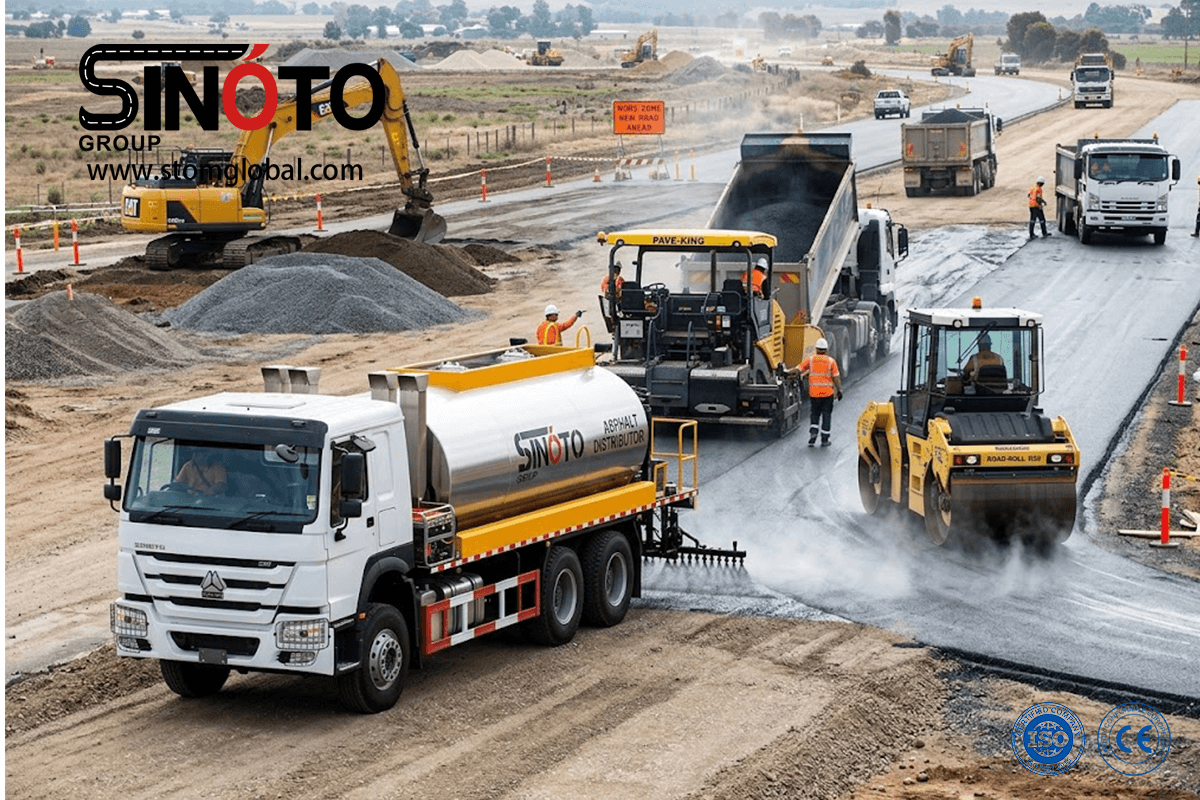
Hot bitumen (also called penetration-grade or heavy traffic paving bitumen) needs to stay within a narrow temperature window — typically 140°C to 180°C — to remain sprayable. Below that range, it thickens, sticks to pipework, and can damage the pump. Above it, the binder can degrade and lose its bonding properties.
This is why an Asphalt Distributor Truck is fundamentally different from an ordinary liquid tanker. It has to:
A well-designed bitumen distributor solves all four requirements through an integrated thermal system rather than a single heating element bolted onto the tank.
The typical configuration used in modern asphalt sprayer trucks combines three components working together:
Because the heat is distributed through circulating thermal oil rather than direct flame contact with the tank, the bitumen heats evenly, and the system avoids the “hot spots” that can scorch or degrade the binder.
💡 Info Tip: Thermal oil circulation heating is preferred over direct-fire tank heating because it eliminates the risk of localized overheating that can carbonize bitumen and damage the tank lining.
Tank size affects how the heating circuit is designed, how many nozzles it feeds, and how long it takes to bring a full load up to spraying temperature. Below is a side-by-side comparison drawn from standard specification sheets for these truck-mounted units.
|
Item |
||||
|
Bitumen Tank Capacity |
6000 L |
8000 L |
10000 L |
12000 L |
|
Chassis Configuration |
4×2 |
4×2 |
4×2 / 6×4 |
6×4 |
|
Nozzle Quantity |
28 pcs |
28 pcs |
32 pcs |
32 pcs |
|
Spraying Width |
1.2–4 m |
1.2–4.5 m |
1.2–4.5 m |
1.2–4.5 m |
|
Bitumen Pump Capacity |
680 L/min |
680 L/min |
950 L/min |
950 L/min |
|
Oil Burner Model |
RIELLO G10 |
RIELLO G10 |
RIELLO G20 |
RIELLO G20 |
|
Curb Weight |
6800 kg |
9000 kg |
10000 kg |
16000 kg |
As the table shows, a 6000L bitumen distributor and an 8000L asphalt distributor both share the same RIELLO G10 burner and thermal circulation design, making them well matched for small-to-mid-scale municipal road maintenance and rural highway projects. Once capacity climbs to 10,000–12,000 liters, manufacturers typically step up to a RIELLO G20 burner and a higher-capacity pump to keep pace with the larger fluid volume and longer spray bar coverage.
This is a key point for buyers comparing asphalt distributor price across capacities: a bigger tank is not simply a scaled-up version of a smaller one. The heating and pumping hardware are matched to the volume so temperature consistency is preserved across the entire tank, not just near the burner.
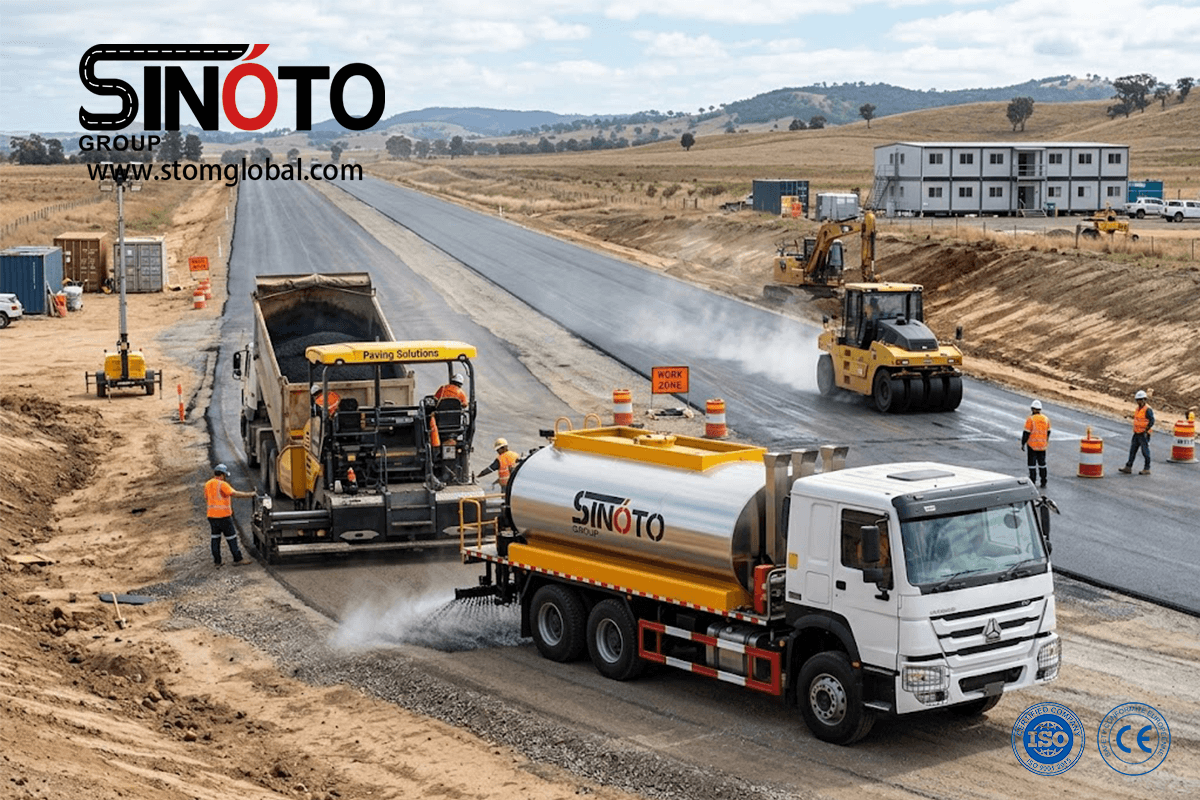
Not every asphalt sprayer manufacturer builds the heating circuit the same way, and this is one of the biggest quality differentiators in the industry. When evaluating suppliers, ask about:
💬 Quote for reference: “Independent auxiliary engine ensures spraying capability from zero speed.” — this design detail matters directly for heating reliability, because it keeps the thermal oil pump and burner running continuously regardless of road speed.
|
Question to Ask the Supplier |
Why It Matters |
|
What burner brand is used? |
Determines reheating speed and reliability |
|
Does the loop heat the pump and pipes, or just the tank? |
Prevents clogging at cold spots |
|
What is the spray volume error tolerance? |
Look for systems with real-time correction near ±1.5% |
|
Is there a radar speed-sensing system? |
Keeps spray rate consistent with hot bitumen viscosity as speed changes |
|
What chassis brands are offered? |
Affects long-term parts availability and resale value |
If you are shopping the used or new market for a bitumen distributor truck for sale, the heating system is one of the first things to inspect, because a failed or poorly maintained thermal circuit is expensive to repair and can take the truck out of service during peak paving season. Watch for:
For buyers weighing a new purchase instead, requesting a full bitumen distributor truck specification sheet — covering burner model, pump capacity, insulation type, and control system — before requesting an asphalt distributor price quote will save time and prevent mismatched expectations later.
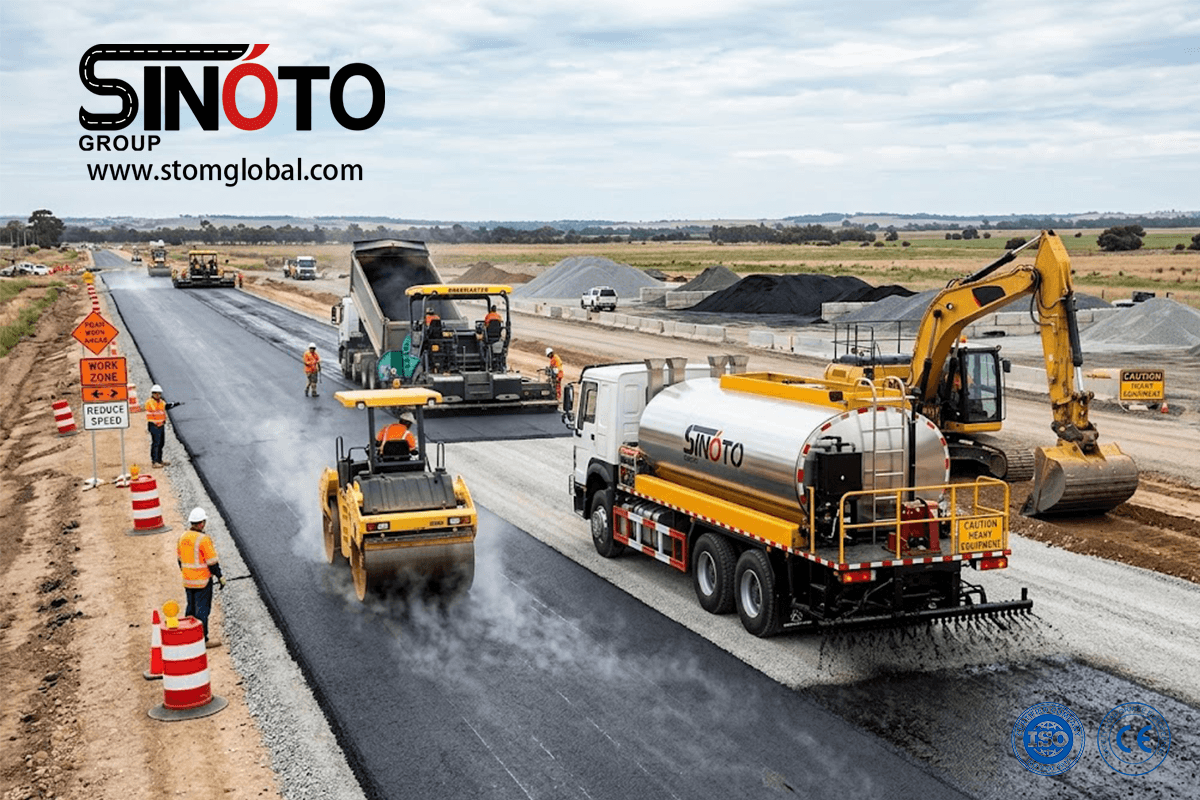
A bitumen distributor is only as good as its ability to keep bitumen at a sprayable temperature from the moment it leaves the depot to the moment it hits the road surface. Whether you’re comparing a compact 6000L bitumen distributor for local maintenance work or an 8000L asphalt distributor for larger highway contracts, the presence of an integrated thermal oil circulation system, a quality burner, and full insulation coverage should be treated as baseline requirements — not premium add-ons.
For contractors and fleet buyers researching an asphalt distributor manufacturer, comparing Asphalt Distributor Truck specifications side by side, and reviewing asphalt distributor price and bitumen distributor price data, the heating system deserves as much scrutiny as tank capacity or chassis brand. It is, quite literally, the system that keeps the entire machine functional in the field.

Whatsapp ID: 8619059581045

WeChat ID: +8619059581045

