Capacity is the biggest decision you make when investing in a Continuous Forced Asphalt Mixing Plant. Choose too small, and your paving crew waits for material. Choose too large, and you pay for drying drums, burners and dust collectors that never run at full load. STOM Global offers three core models in this range: the DHL100, DHL130 and DHL160. This guide explains how buyers can match each model to their output target, project type and budget, so you can buy an asphalt mixing plant that fits your work.
| ⚡ 100–160 t/h Rated capacity range |
🔧 Twin-Shaft Mixer Forced, thorough mixing |
📐 Compact Footprint Low investment, easy transfer |
🛣️ Highway-Grade Meets demanding standards |
|---|
A continuous forced asphalt plant is built on the proven continuous drum design, with two important additions: a weighing system and a continuous twin-shaft mixer. This combination gives buyers the best of both worlds. From the continuous asphalt plant, you get a small footprint, simple operation and lower investment. From the forced mixing asphalt plant, you get precise measurement, thorough mixing and the ability to add mineral powder in exact quantities.
The result is a machine that serves low-grade rural roads and also meets the requirements of expressways and airports. Its dust collection and environmental performance match, and can even surpass, those of traditional forced plants. For contractors focused on highway construction, this matters because mix consistency directly affects rutting resistance and pavement life.
💡 Key Takeaway: Continuous production gives you speed, and the twin-shaft mixer gives you quality. Continuous mixing with forced action lets one plant support high-quality asphalt production without the cost and space of a large batch plant.
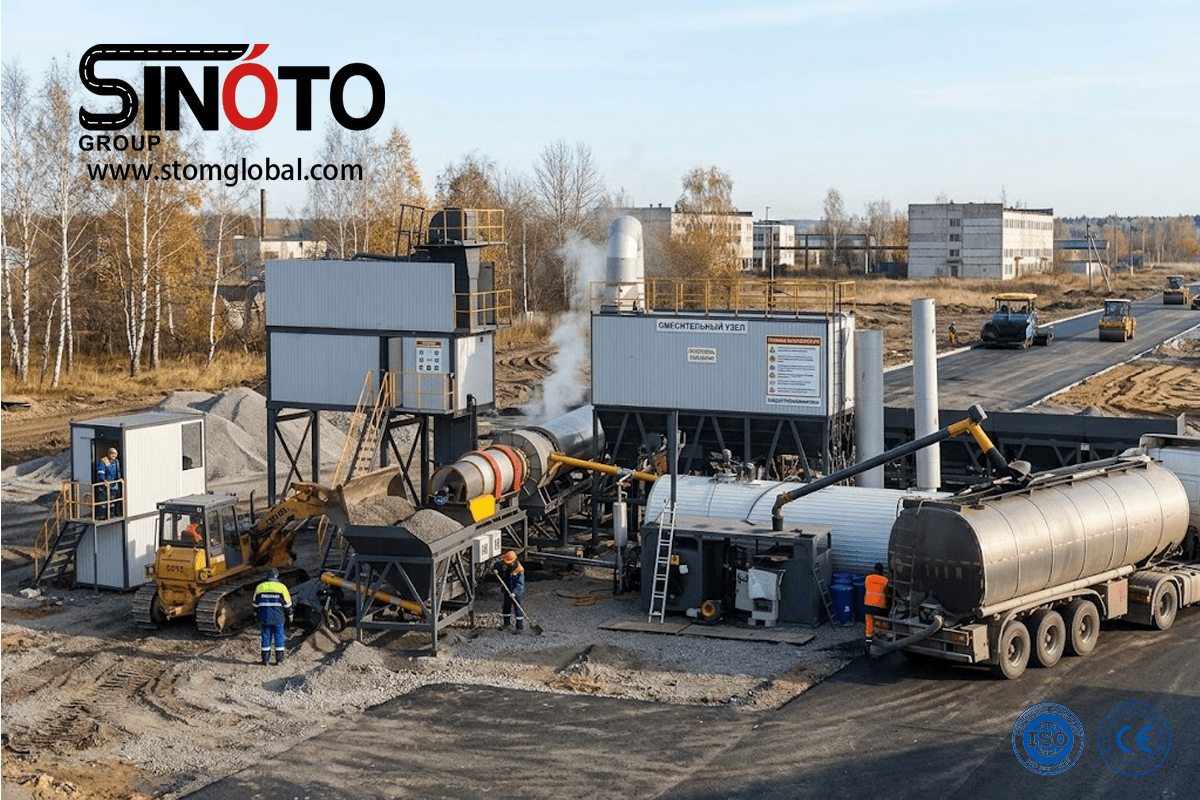
The table below summarizes the main differences between the three models. Every continuous twin shaft asphalt plant in this series uses the same core system layout: cold aggregate feeding, drying drum, burner, dust collection, bitumen supply, twin-shaft mixer, pneumatic system and control system. Only the scale changes.
| Parameter | DHL100 | DHL130 | DHL160 |
|---|---|---|---|
| Capacity (t/h) | 100 | 130 | 160 |
| Total power (kW) | 223 | 290 | 354 |
| Cold bins (m³) | 3 × 8 | 4 × 8 | 4 × 8 |
| Dryer drum size (mm) | Φ1500 × 7600 | Φ1800 × 8000 | Φ1980 × 10000 |
| Oil burner max. (kg/h) | 850 | 1,200 | 1,400 |
| Twin-shaft mixer motor (kW) | 30 | 37 | 45 |
| Mixer capacity (m³) | 1.5 | 2.0 | 2.2 |
| Baghouse draught fan (kW) | 55 | 75 | 110 |
| Hot mix storage silo (m³) | 5.5 | 7.5 | 12 |
| Bitumen tank (m³) | 40 | 40 | 40 |
All three models run at a noise level of 70 dB or below. They accept diesel, heavy oil, fuel oil, coal or natural gas, and the voltage can be adjusted to your local grid (220V/380V/440V, 50Hz/60Hz).
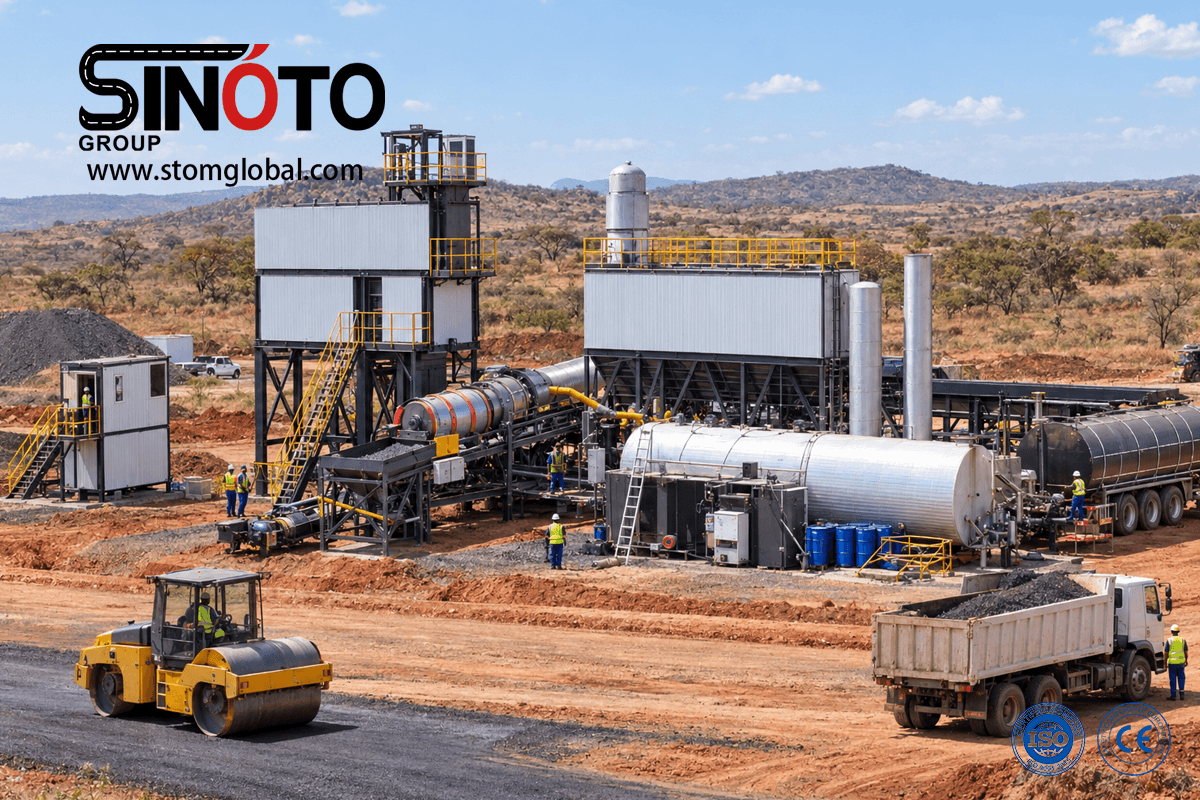
🟢 DHL100: for municipal roads and growing contractors. At 100 t/h with 223 kW total power, this is the entry point. It suits county roads, urban maintenance and contractors who are starting or expanding a paving business. Its three cold bins and 1.5 m³ mixer handle standard mix designs, and the lower power draw keeps daily running costs down.
🟡 DHL130: the balanced choice. Many buyers search for a 120 tph asphalt plant because it sits between small and large scale. The DHL130 is the closest match in this series, and it gives you extra headroom above 120 t/h. Four cold bins let you blend more aggregate sizes, the 2 m³ mixer improves coating consistency, and the 7.5 m³ silo helps trucks load without stopping the plant. It suits provincial highways and medium-sized contracts.
🔴 DHL160: for large highway and airport projects. With a Φ1980 × 10000 mm drying drum, a 45 kW mixer, a 110 kW baghouse fan and a 12 m³ storage silo, the DHL160 is designed for high daily tonnage and long paving windows. If you supply several crews or run a major highway construction package, the larger silo and burner give you the buffer you need.
Before you decide, check these five points:
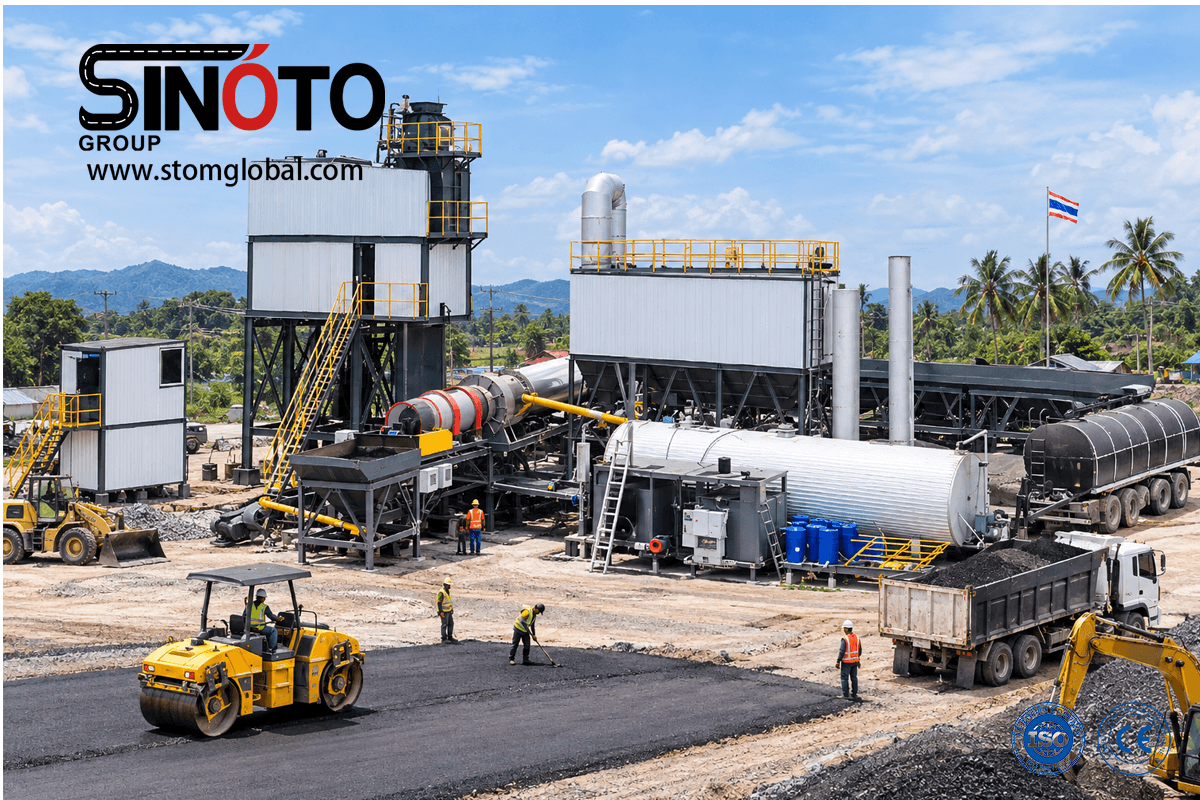
Buyers often ask about twin shaft asphalt plant price first, but the smarter question is what drives the price. Here are the main factors:
When you compare forced asphalt plant price offers, ask every supplier to quote the same specification: same capacity, same fuel, same control system and same dust collector. Otherwise, the numbers are not comparable. The continuous design also has fewer parts and simpler mechanics, so maintenance costs stay lower over time, which improves your total cost of ownership. When you review any continuous forced asphalt plant for sale, look at long-term running cost and after-sales support, not only the upfront figure.
Choose the DHL100 for small to medium road work and lean startup budgets. Choose the DHL130 if you need a flexible plant that covers most highway and municipal contracts. Choose the DHL160 for high-volume projects where output and storage capacity decide profit. In all three cases, the continuous forced asphalt plant delivers precise metering, thorough mixing and dependable high-quality asphalt production.
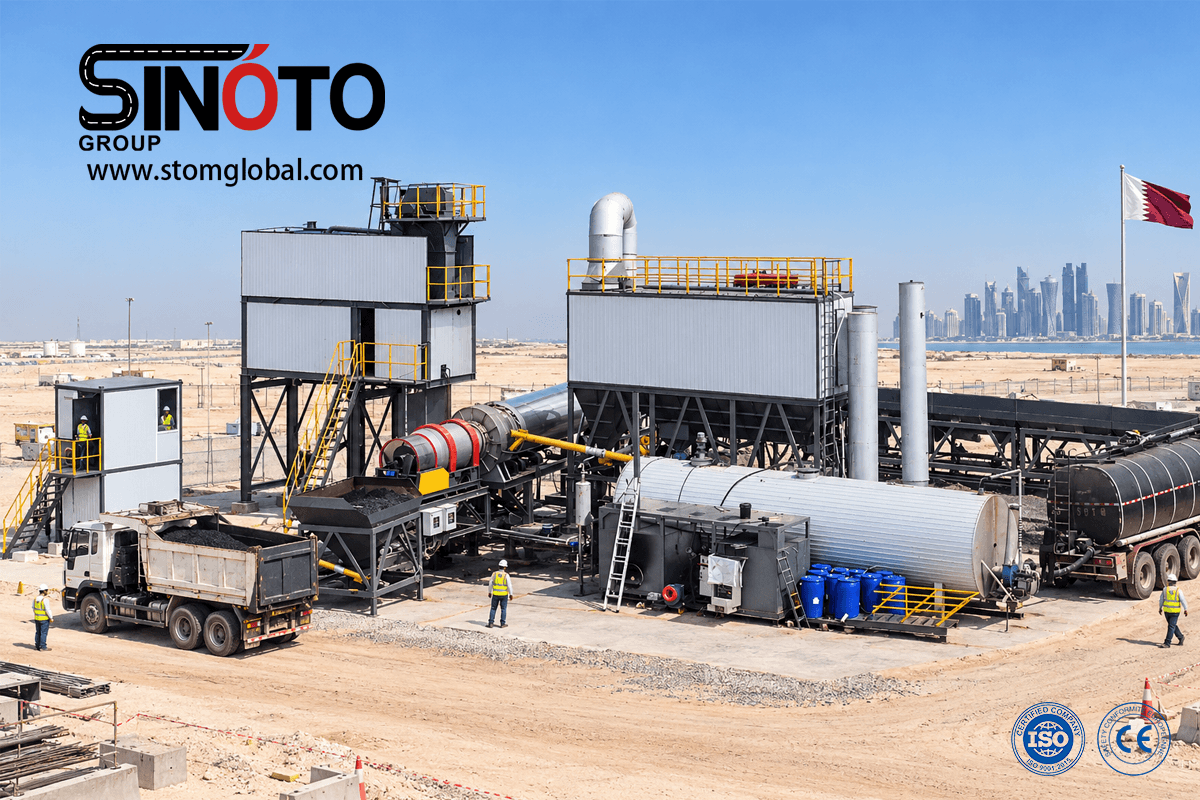
Tell our engineers your daily output target, fuel type and project location, and we will recommend the right model and prepare a detailed quotation.
👉 Get a Free Quote and Custom Plant Recommendation Now
Or email us directly at info@stomglobal.com | WhatsApp: +86-190 5958 1045
#ContinuousForcedAsphaltPlant #AsphaltMixingPlant #TwinShaftAsphaltPlant #HighwayConstruction #RoadConstructionEquipment #STOMGlobal

Whatsapp ID: 8619059581045

WeChat ID: +8619059581045

