Anyone who has stood near an active road-base construction site knows the problem instantly: the moment powdered cement leaves a hopper, it wants to become a cloud. For contractors running a cement spreader machine on a highway subgrade or a soil-stabilization project, that cloud is more than a nuisance — it is a safety hazard, an environmental liability, and a source of wasted material that eats directly into project margins. Modern cement spreader equipment has been engineered specifically to solve this problem, and understanding exactly how it does so is essential for any buyer comparing a cement spreader truck for sale.
This article breaks down the dust-control engineering behind today’s cement spreading machine designs, explains how an automatic cement spreader differs from older manual units, and gives you a practical checklist for evaluating a cement spreader truck price against real operational value.
“The single biggest complaint we hear before a customer switches equipment isn’t accuracy — it’s dust. A site that can’t control airborne powder eventually gets shut down by inspectors, regardless of how good the spread rate is.” — Field engineering note from a road-base construction project review
Cement, lime, and fly ash are all extremely fine powders, and any cement distributor unit that discharges them without containment will generate visible plumes the moment wind speed exceeds a few kilometers per hour. This has three direct consequences on a job site.
ℹ️ Worker exposure. Prolonged inhalation of cementitious dust is a recognized occupational health concern. Regulatory bodies in most countries now require visible dust suppression on any mechanized spreading operation, which is why a cement spreader for sale without documented dust controls is increasingly difficult to permit on public infrastructure projects.
ℹ️ Material loss. Every gram of cement that drifts off the target strip is a gram the stabilization layer no longer receives. On a large highway base course, uncontrolled drift can measurably reduce the achieved kg/m² density, which is the entire purpose of running an automatic cement spreader with a weighing system in the first place.
ℹ️ Environmental compliance. Municipal and highway authorities increasingly write dust-emission limits directly into tender specifications. A cement spreader truck that cannot demonstrate enclosed handling may simply be excluded from bidding on public works.
Because of these pressures, dust suppression has moved from an optional feature to a baseline requirement across the cement spreader machine category — and it is now one of the first questions serious buyers ask before requesting a cement spreader truck price quote.
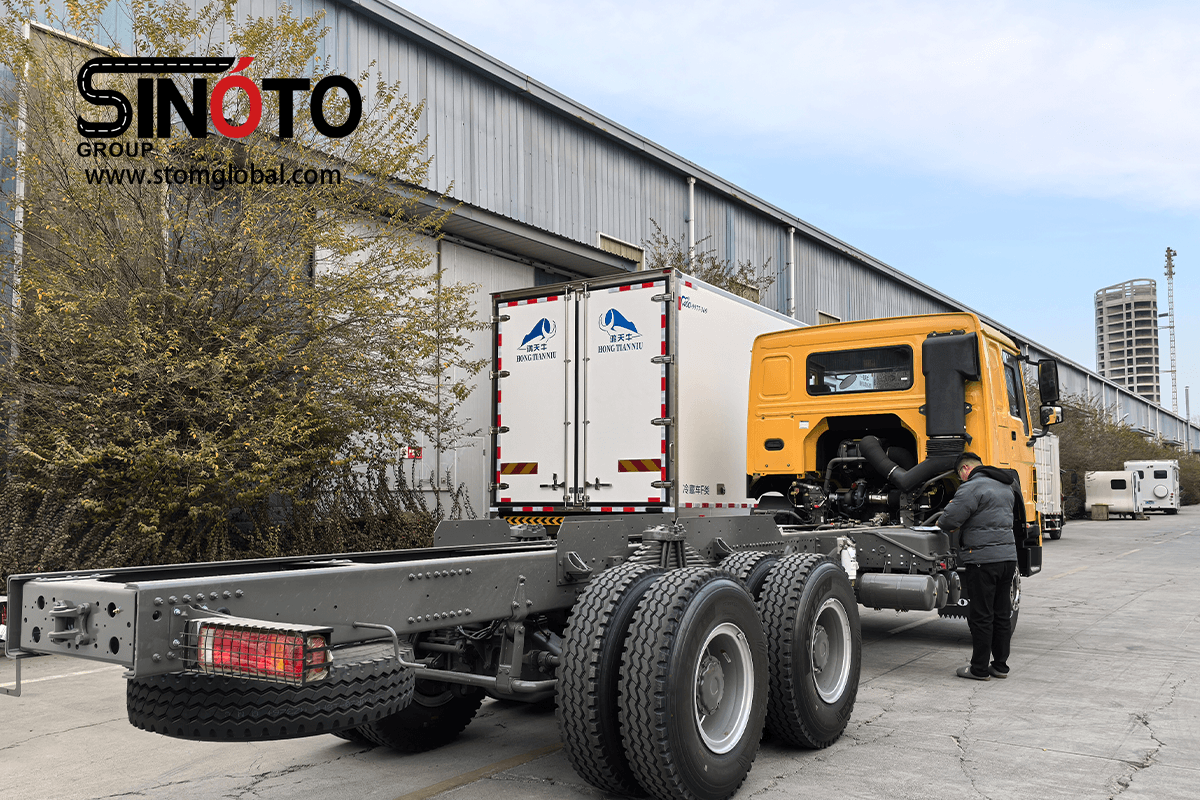
A well-designed cement spreading machine does not rely on a single trick to keep powder contained — it layers several mechanical and pneumatic systems together so that dust is captured at every stage of the material’s journey, from the loading hatch to the road surface.
The first and most important component is a bag-filter dust collector mounted on top of the material bin. As cement is loaded or agitated inside the tank, displaced air carrying fine particles is drawn through fabric filter bags rather than vented directly into the atmosphere. This single component is often the difference between a conventional cement distributor and a true “dust-free” cement spreader.
Rather than dropping material from height — which maximizes the distance dust particles have to travel and disperse — a properly built cement spreader truck discharges through a low-position curtain or shroud positioned close to the ground. This shortens the fall distance dramatically and physically blocks lateral wind from catching the falling powder before it settles.
Between the bin and the discharge outlet, the conveyor and measuring system on an automatic cement spreader is fully enclosed. Unlike open-auger designs used on older or budget equipment, an enclosed path means the powder is never exposed to open air until it reaches the discharge curtain, eliminating the intermediate leak points that account for much of the visible dust on unshielded machines.
A less obvious but equally important contributor to dust control is the arch-breaking device fitted inside the hopper. Cement powder is prone to “bridging” — forming a lump or arch inside the bin that blocks normal flow. When this happens on a poorly designed cement spreader for sale, operators are sometimes tempted to manually agitate or strike the bin, which releases a sudden burst of dust. A patented anti-bridge vibration system keeps material flowing smoothly and continuously, avoiding these uncontrolled release events entirely.
Finally, dust control starts before the machine even begins spreading. A dedicated sealed loading port allows bulk cement to be pumped directly into the tank from a bulk carrier with minimal exposure, while a secondary manhole allows manual topping-up only when necessary — keeping the loading phase, historically one of the dustiest parts of any cement distributor near me search’s daily operation, largely contained.
|
Dust-Control Component |
Function |
Typical Benefit |
|
Bag-filter dust collector |
Filters displaced air from the bin before venting |
Prevents visible dust plumes during loading and agitation |
|
Low-position discharge curtain |
Shortens material fall height at the outlet |
Blocks wind dispersion during spreading |
|
Enclosed conveyor/metering system |
Keeps powder contained between bin and outlet |
Eliminates mid-path leak points |
|
Anti-bridge vibration system |
Breaks up lumps and arching inside the hopper |
Avoids sudden dust bursts from manual agitation |
|
Sealed loading port |
Enables closed bulk transfer into the tank |
Reduces exposure during refilling |
💡 Buyer’s tip: When comparing a cement spreader truck for sale, ask the supplier which of these five systems are standard versus optional. Some manufacturers advertise “dust-free” performance based only on the discharge curtain, without the bag-filter collector — a meaningfully weaker configuration for windy sites.
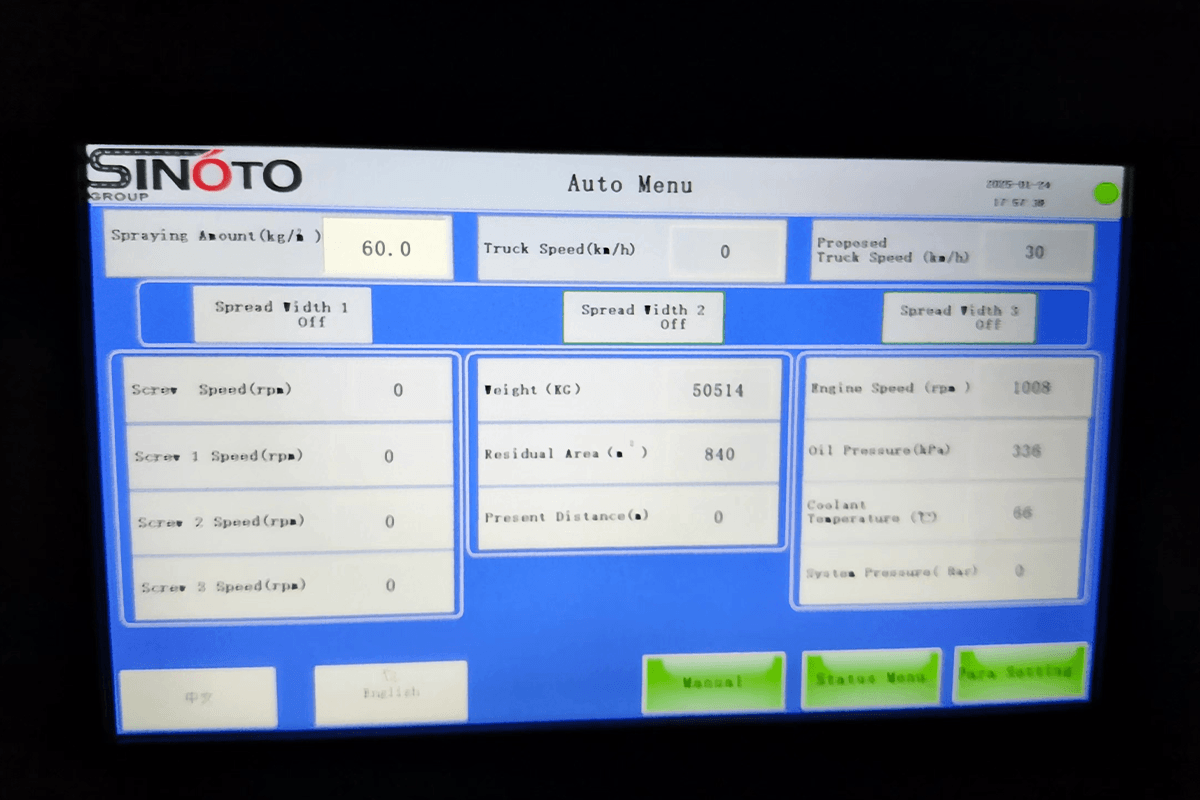
Not every cement distributor on the market pairs its dust controls with precision metering, and the two features are closely linked in practice. An automatic cement spreader typically integrates a weighing system, a touch-screen control panel, and a fully automatic discharge control that keeps the spreading amount constant regardless of vehicle speed. This matters for dust control for a simple reason: inconsistent, speed-dependent discharge tends to produce uneven bursts of material, which are far harder to contain than a steady, calibrated flow.
By contrast, older manual or semi-automatic cement spreader designs often rely on the operator adjusting gate openings by eye, which naturally produces more variable — and dustier — discharge patterns. On a modern automatic unit:
This consistency is one reason automatic units increasingly dominate searches for a cement spreader truck for sale on highway and railway subgrade projects, where both regulatory dust limits and material-accuracy requirements are strict.
Dust performance cannot be judged from marketing copy alone — it is worth cross-referencing against the machine’s core technical parameters, since bin capacity, spreading width, and chassis power all interact with how well the dust-control systems perform in real conditions. Below is a representative specification set for a heavy-duty cement spreader truck, the kind typically used for large-scale road-base and soil-stabilization work.
|
Item |
Parameter |
Why It Matters for Dust Control |
|
Cement bin capacity |
Up to 18 m³ (15–25 m³ range across models) |
Larger, well-sealed bins reduce the frequency of dusty reloading cycles |
|
Max. spreading width |
2500 mm |
Wider, low curtains cover more ground per pass, reducing overlap-related drift |
|
Spreading capacity |
0.9–60 kg/m² |
Wide adjustable range supports both light stabilization and heavy base-course jobs without overloading the discharge system |
|
Engine power |
257 kW (350 hp) main; 74 kW auxiliary |
Adequate auxiliary power keeps the dust collector fan and hydraulic conveyor running consistently |
|
Emission standard |
Euro V (main engine), Euro III (auxiliary) |
Cleaner combustion complements the machine’s environmental compliance profile |
|
Spreading accuracy |
±1% |
Precise metering avoids the uneven bursts that generate extra dust |
ℹ️ Note on chassis options: Many suppliers offer these units on either SinoTruck or Shacman chassis platforms, with left- or right-hand drive available — a detail worth confirming early if you are sourcing from a cement distributor near me for a specific country’s road regulations.
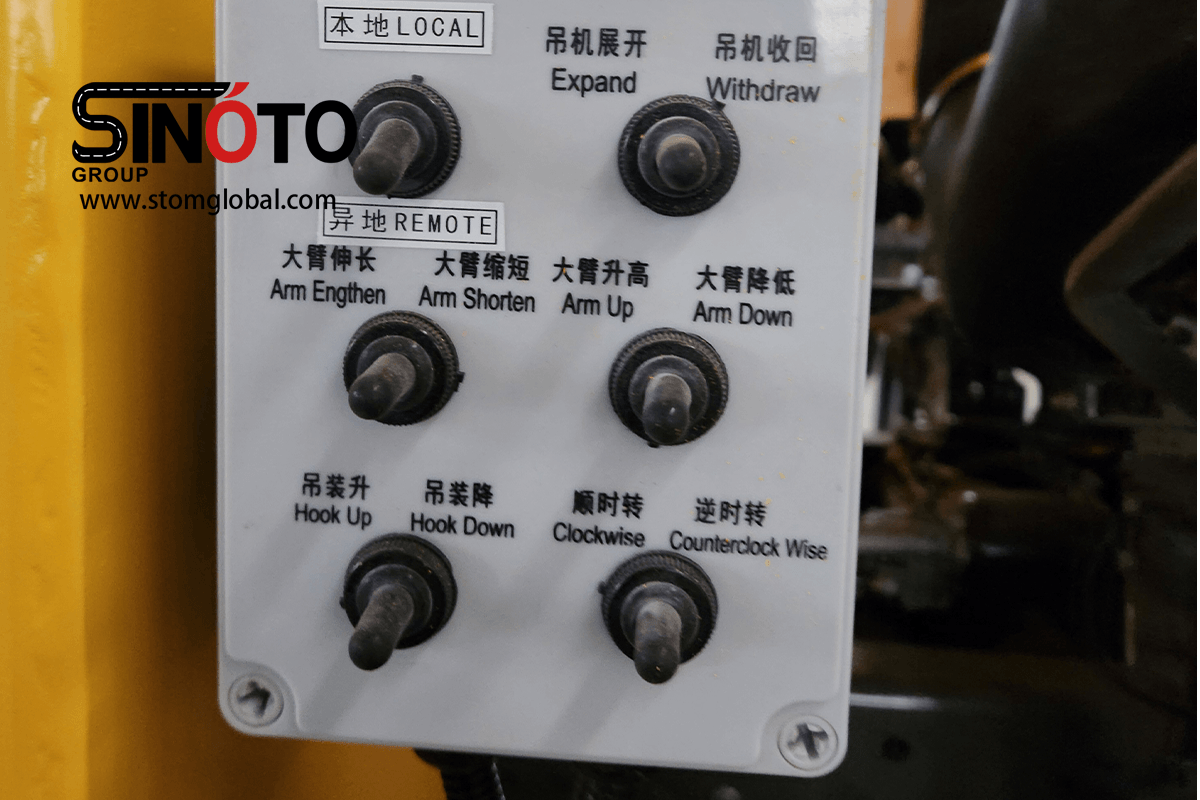
Once dust performance and technical specifications check out, the remaining question for most buyers is straightforward: what should a cement spreader truck price actually reflect, and how do you avoid overpaying for features you don’t need — or underpaying and inheriting a dust problem?
Bin size and chassis brand. Larger bins and imported hydraulic components (pumps and valves from established brands, for example) generally push the cement spreader truck price higher, but they also reduce downtime and improve dust-seal longevity over years of use.
Automation level. A fully automatic cement spreader with a weighing system, touch-screen control, and remote data logging costs more upfront than a manual gate-controlled cement spreading machine, but the reduction in material waste and dust-related compliance risk typically offsets the premium over the machine’s service life.
After-sales support. Because components like the bag-filter dust collector and anti-bridge vibration system require periodic inspection, it’s worth confirming that whichever cement distributor near me or international supplier you choose can provide accessible spare parts and technical support — not just a competitive quote at the point of sale.
Regulatory fit. Confirm emission standards (Euro III/V or local equivalents) and dust-emission documentation match the requirements of the specific highway, railway, or municipal authority overseeing your project, since this can determine whether a given cement spreader for sale is even eligible to bid.
“Buyers often ask us for the cheapest cement spreader truck for sale, but the real cost comparison should be dust-related downtime and rejected material — not just the sticker price.” — Equipment sourcing guidance shared during a road construction industry Q&A
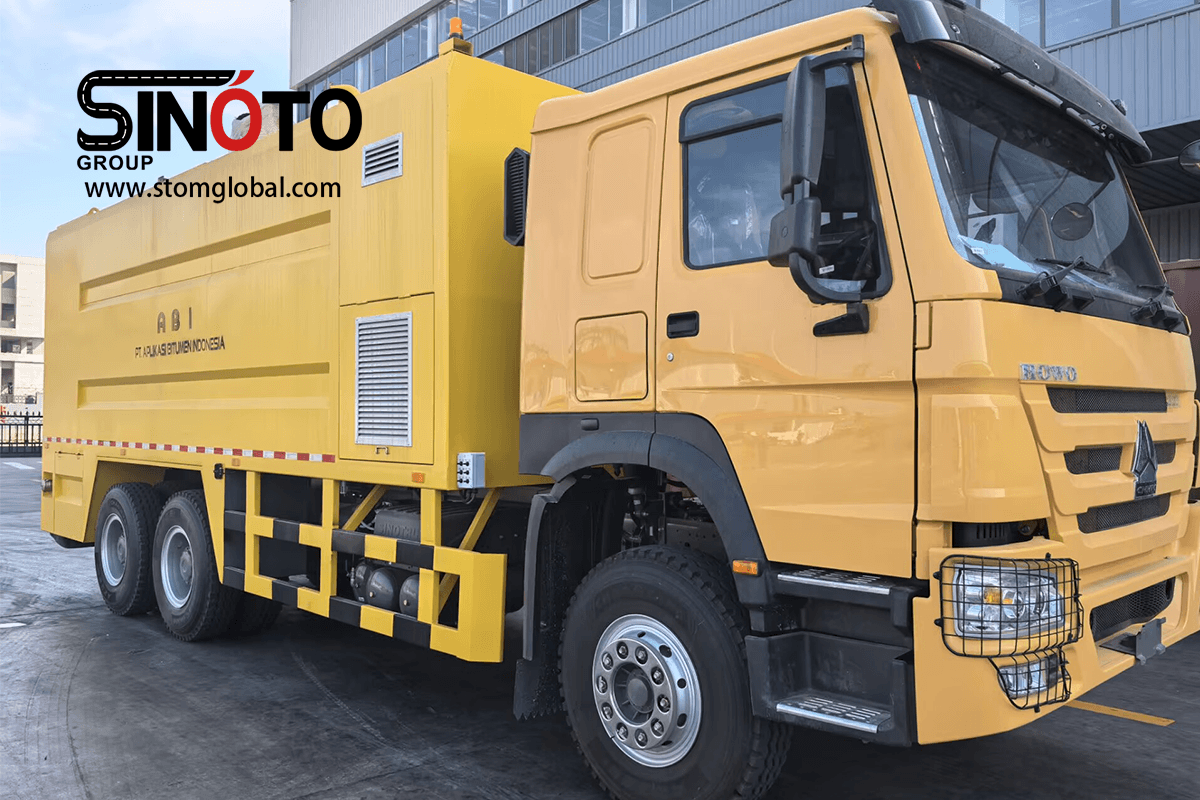
Dust control in a modern cement spreader machine is not a single feature but a layered system: bag-filter collection at the bin, a low-position discharge curtain at the outlet, a fully enclosed conveyor path in between, anti-bridge vibration to prevent uncontrolled bursts, and sealed loading to protect the refilling stage. Combined with the metering precision of an automatic cement spreader, these systems are what separate a genuinely dust-free cement spreader truck from an older-generation cement distributor that merely slows the dust down.
When you’re evaluating a cement spreader for sale — whether from an international manufacturer or a cement distributor near me — treat dust control as a core specification, not an afterthought. The right combination of containment technology and automated accuracy will do more for your project’s compliance, material cost, and site safety than any single number on a cement spreader truck price sheet.

Whatsapp ID: 8619059581045

WeChat ID: +8619059581045

