ℹ️ Quick Answer: A well-engineered asphalt synchronous chip sealer uses an imported automatic diesel burner (such as the Italian RIELLO brand) to heat thermal conduction oil, which then circulates through a jacketed bitumen tank. Paired with automatic thermostatic control and a thick insulation layer, this system brings modified bitumen up to its 170°C–190°C working range far faster — and far more evenly — than direct-flame heating, without scorching or aging the binder.
If you have ever stood on a job site at 6 a.m. waiting for a tanker to reach spraying temperature, you already know why heating performance is one of the first questions every serious buyer asks an asphalt chip sealing machine manufacturer. Polymer modified bitumen, rubber modified bitumen and other high-performance binders don’t behave like ordinary asphalt cement — they need sustained, uniform heat, and they punish any equipment that gets it wrong. This article breaks down exactly how a modern synchronous chip sealer truck solves the heating problem, and what specifications you should compare before you buy.
Modified bitumen typically needs to be held between 170°C and 190°C to spray correctly and bond with aggregate. Fall below that range and the binder becomes too viscous to atomize evenly; push it too high with an aggressive direct flame and you risk localized carbonization, oxidation, and loss of the polymer’s elastic properties — the exact performance advantage you paid extra for.
This is where heating method separates a professional-grade chip seal machine from a budget unit:
For a contractor running a tight paving schedule, the practical impact is simple: less time waiting at the yard each morning, more hours actually laying seal coat on the road, and binder that performs the way the bitumen supplier intended. This is precisely why heating system design belongs at the top of any checklist when comparing road maintenance equipment or requesting a chip sealer truck price quote — a lower purchase price rarely offsets months of scorched-bitumen quality complaints.
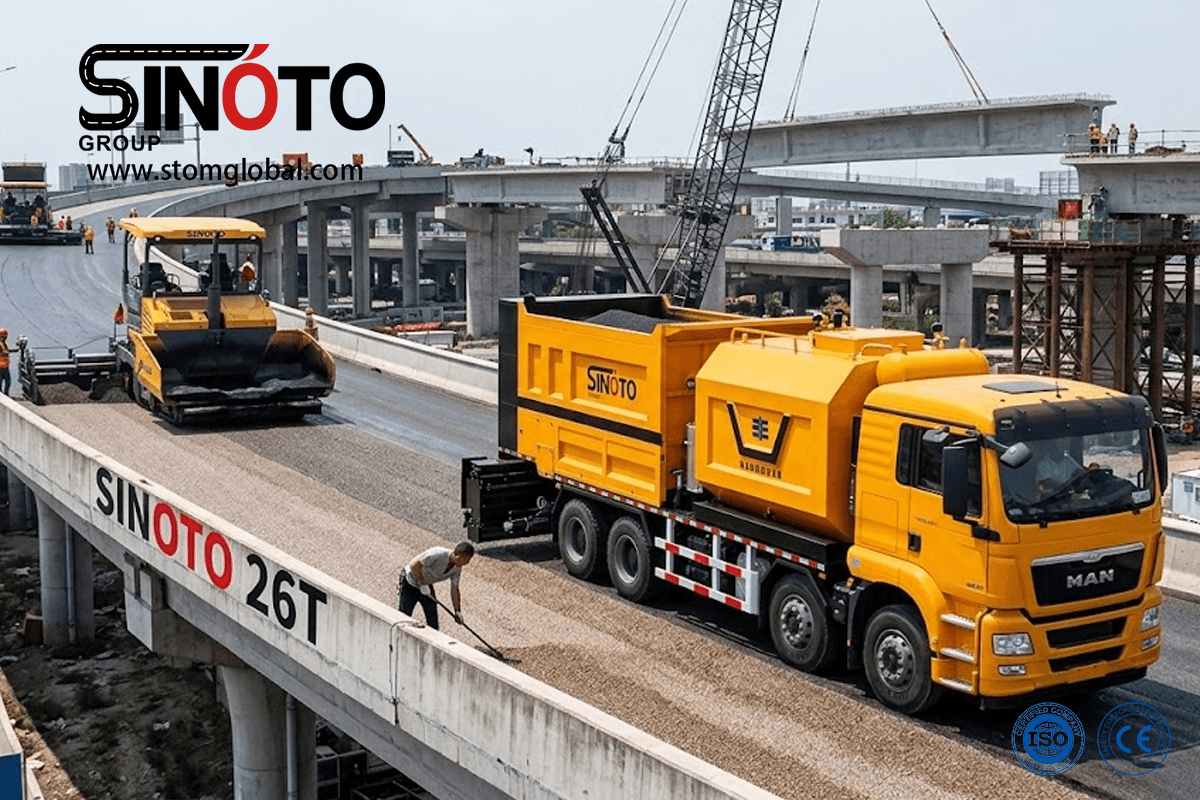
The heating package on a well-built synchronous chip sealer truck typically has three core components working together:
| Heating System Component | Function | Buyer Benefit |
|---|---|---|
| RIELLO automatic diesel burner | Generates and regulates combustion heat | Reliable cold-morning starts, consistent output |
| Thermal oil circulation pump | Moves heated oil through the jacket loop | Even heat distribution, no direct flame contact with bitumen |
| Insulated tank jacket | Transfers oil heat into the bitumen tank wall | Faster heat-up, reduced fuel consumption |
| Automatic thermostatic controller | Monitors and regulates tank temperature | Prevents overheating and binder aging |
ℹ️ Buyer Tip: When you request a quote, ask the supplier for the burner’s rated output (kW) relative to tank volume. A 5000L tank and an 8000L tank need proportionally larger burners and oil pump capacity to hit the same heat-up time — a spec sheet that lists “RIELLO burner” without output figures doesn’t tell the whole story.
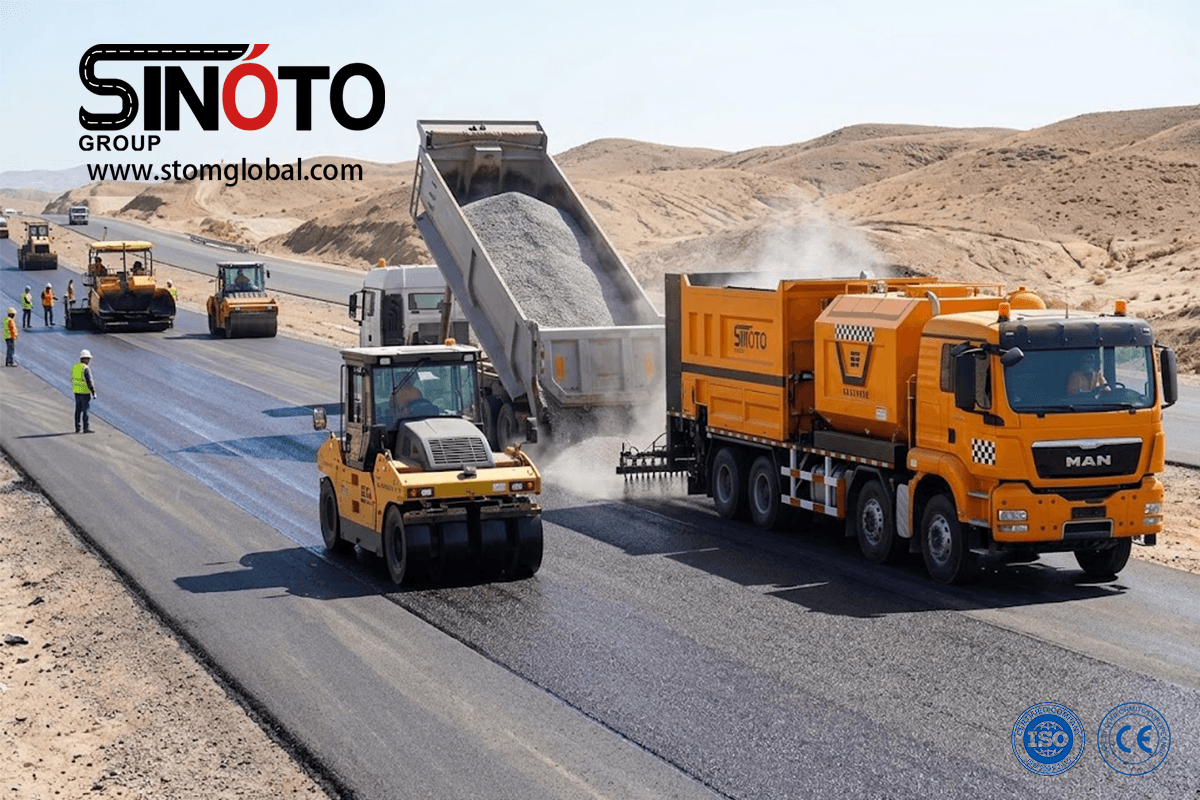
Fast heating is only half the story — holding temperature steady inside the working band matters just as much. This is the job of the automatic thermostatic control system built into quality synchronous chip sealing equipment.
A temperature sensor inside the bitumen tank feeds a live reading to the truck’s control cabinet. Once the bitumen reaches the pre-set target (commonly configurable within the 170°C–190°C window), the controller automatically modulates or cycles the burner to hold that temperature, rather than requiring the operator to manually monitor a gauge and switch the burner on and off. On the more advanced control cabinets — such as the touchscreen-based systems used on higher-end synchronous chip sealer models — the operator can view real-time tank temperature alongside spray rate and aggregate spread rate from inside the cab, adjusting on the fly as conditions change.
This matters for three practical reasons:
For fleet buyers comparing multiple road construction bitumen equipment suppliers, it’s worth asking specifically whether thermostatic control is fully automatic or semi-manual, since this single feature has an outsized effect on both binder quality and daily operating cost.
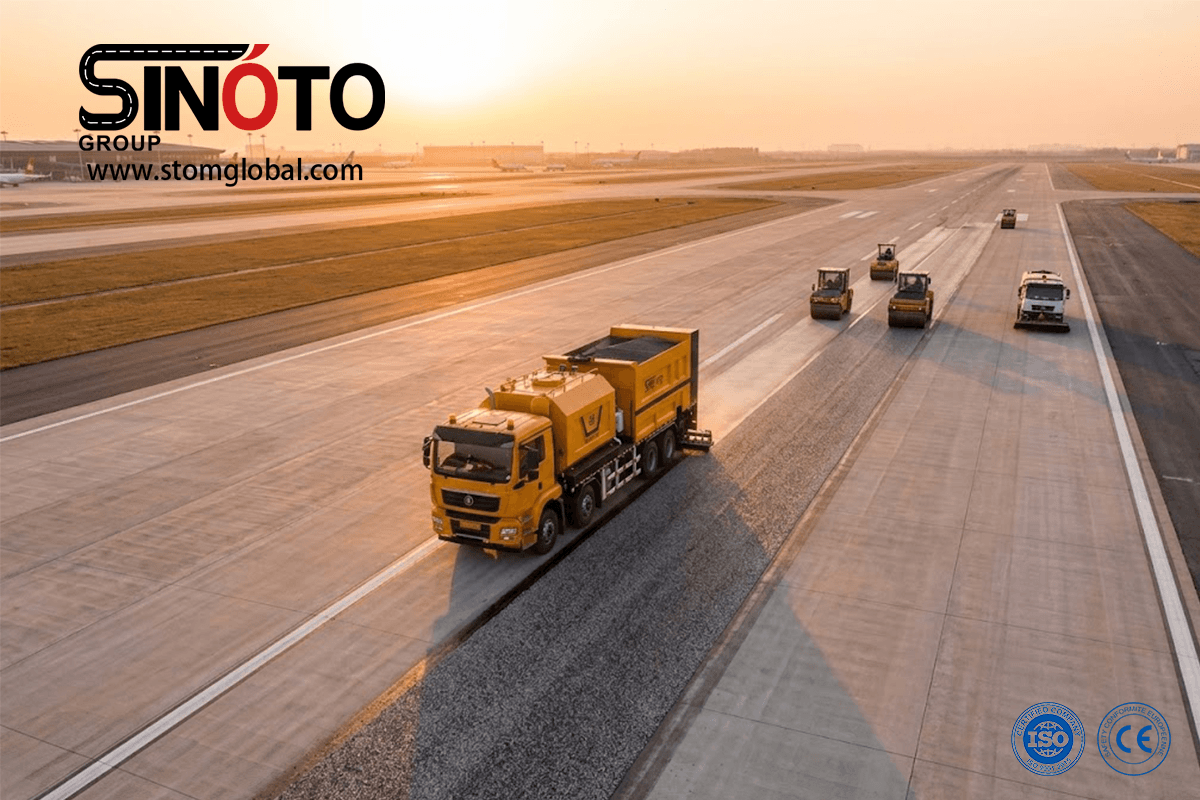
Heat generation and heat retention are two different engineering problems, and insulation quality determines how much of that hard-won heat is actually kept overnight or between job sites. A tank with a thin or low-grade insulation layer will lose heat quickly once the burner shuts off, meaning the crew starts the next morning from a much colder baseline — undoing much of the benefit of a fast burner.
When evaluating a chip seal equipment for sale listing, look for:
ℹ️ Why this matters in the field: A truck with strong insulation may only need a short “top-up” heating cycle each morning rather than a full cold start, saving both fuel and start-of-shift downtime — a detail that rarely shows up in a basic chip sealer brochure but shows up clearly in your fuel bill after the first season.
Heating specifications don’t exist in isolation — they need to be matched to the tank volume and the chassis you’re running. Below is a general comparison of how heating-related specs typically scale across common configurations of an asphalt synchronous chip sealer:
| Configuration | Bitumen Tank Volume | Chassis Type | Heating Type | Typical Application |
|---|---|---|---|---|
| Compact unit | 5000L | 4×2 | RIELLO burner + thermal oil, automatic control | Municipal roads, preventive maintenance |
| Mid-size unit | 8000L | 6×4 | RIELLO burner + thermal oil, automatic control | Highway surface dressing, larger projects |
| Heavy-duty unit | 8000L | 8×4 | RIELLO burner + thermal oil, automatic control | High-volume road construction bitumen programs |
A 5000l chip sealer truck on a 4×2 chassis suits contractors handling municipal streets and preventive maintenance work where mobility and lower upfront cost matter more than raw output. An 8000l synchronous chip sealer on a 6×4 or 8×4 chassis fits larger surface dressing programs and highway maintenance contracts, where a bigger hopper and tank reduce the number of reloading trips per shift. In both cases, the heating system architecture — RIELLO burner, thermal oil circulation, automatic thermostatic control, quality insulation — should scale proportionally; a bigger tank with an undersized burner will simply take longer to reach working temperature, offsetting the productivity gain of the larger capacity.
Beyond tank size, buyers researching a synchronous chip seal truck or comparing an aggregate spreader and bituminous road construction equipment package should also weigh:
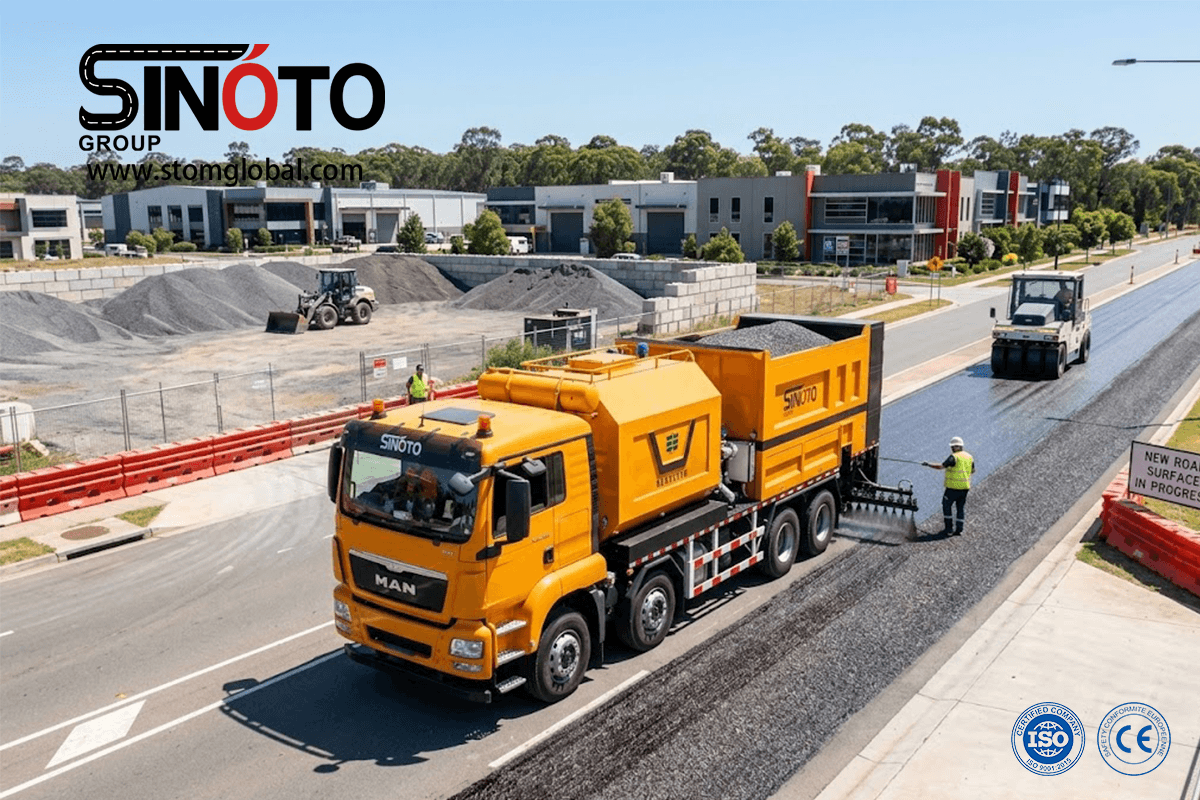
The heating system is one of the clearest indicators of build quality on any synchronous chip sealing equipment, precisely because it’s invisible until something goes wrong — either a slow, frustrating start each morning, or bitumen that’s been quietly aged by direct-flame hot spots. An automatic diesel burner such as RIELLO, paired with thermal oil circulation, automatic thermostatic control, and a properly specified insulation layer, is what allows a modern synchronous chip sealer to hit 170°C–190°C reliably, hold it accurately, and protect the modified bitumen your project depends on.
Whether you’re sourcing a 5000l chip sealer truck for municipal work or an 8000l synchronous chip sealer for a highway surface dressing program, ask your supplier for burner output, insulation specification, and control-system details before comparing chip sealer truck price quotes side by side — those numbers tell you far more about long-term performance than tank volume alone.
Q: How long does it take a synchronous chip sealer to reach spraying temperature from a cold start? Exact times vary with ambient temperature, tank volume, and burner output, but the goal of a RIELLO burner plus thermal oil circulation design is to shorten cold-start heat-up meaningfully compared with a basic direct-fired tank of the same capacity. Ask your asphalt chip sealing machine manufacturer for documented heat-up curves for the specific tank size you’re ordering, rather than relying on a single generic figure.
Q: Can this heating system handle emulsion bitumen as well as hot and modified bitumen? Yes — because the thermal oil circulation approach heats gently and evenly, it is compatible across binder types, including polymer modified bitumen, hot bitumen, emulsion bitumen, and rubber modified bitumen, without the scorching risk that direct-flame systems pose to more sensitive modified binders.
Q: Does a thicker insulation layer add much cost to a chip sealer truck price? Insulation is a relatively small fraction of overall unit cost compared with the chassis, tank, and control system, but its effect on fuel consumption and morning start-up time compounds over the life of the machine — most buyers find it a worthwhile line item to prioritize rather than cut.
Q: What should I check when comparing quotes for chip seal equipment for sale from different suppliers? Beyond headline tank volume, request: burner brand and rated output, insulation thickness and material, whether thermostatic control is automatic or manual, distributing accuracy for both asphalt and chips, and chassis brand and configuration (PTO vs. auxiliary engine). These details determine real-world productivity far more than the base chip seal machine price tag.
Tell us your required tank capacity, chassis brand, and working conditions, and our team will help you match the right synchronous chip sealer configuration to your road maintenance program.

Whatsapp ID: 8619059581045

WeChat ID: +8619059581045

