For asphalt producers, contractors, and terminal operators, one operational question comes up again and again before any purchase decision: how long does it actually take to melt a full 200L bitumen drum from a cold start? The answer determines throughput, labor cost, and fuel consumption for the entire road-construction supply chain. This guide breaks down real melting times, buyer priorities, and the technical features that separate a modern bitumen drum melting machine from outdated open-flame methods.
💡 Quick Answer: A high-efficiency bitumen drum decanter using a thermal oil coil system typically melts one full drum in 40–60 minutes, depending on ambient temperature, bitumen grade, and heating source.
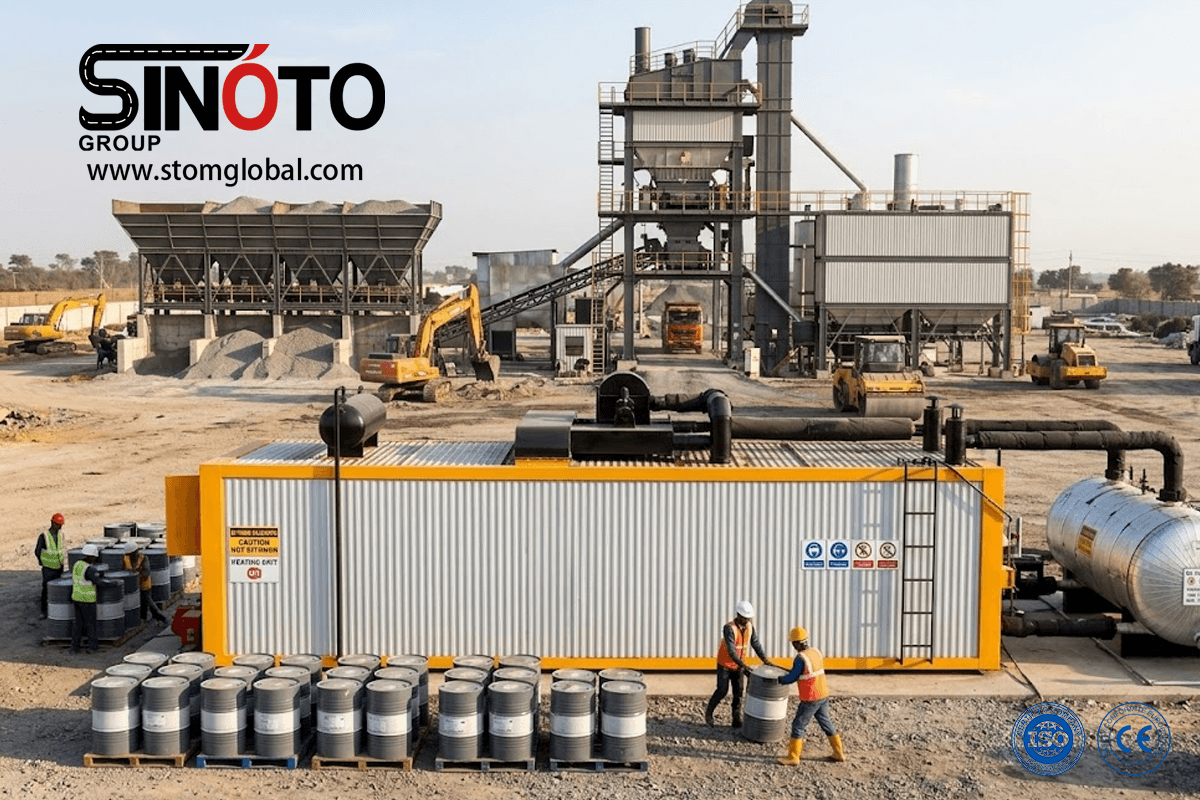
This is the single most common question buyers ask a bitumen drum melter manufacturer before ordering. The melting cycle depends primarily on the heating source and the thermal transfer design of the equipment.
For a well-engineered bitumen drum heating machine, the process breaks down like this:
| Stage | Description | Approx. Time |
|---|---|---|
| 🔥 Preheating | Thermal oil furnace/burner reaches operating temperature | 20–30 min |
| 📦 Drum Loading | Hydraulic arm tilts and pushes drum into melting chamber | 1–2 min |
| 🌡️ Softening | Bitumen reaches softening point, begins to flow | 15–25 min |
| ⚙️ Pumping-Ready | Bitumen heated to 120–160°C pumping temperature | 5–10 min |
| Total (steady-state cycle) | From drum-in to drum-out | 40–60 min |
Once the furnace is already hot (after the first cycle), a well-designed bitumen drum melter can process drums continuously, since empty barrels are extruded and new ones fed in without stopping the heating cycle. This continuous-loading design is what separates industrial asphalt drum decanter systems from small batch melting kettles, which often take 2–3 hours per cycle because they lack continuous feed and indirect heat exchange.
Key variables that affect melting speed:
A bitumen decanter (also called a bitumen drum melting machine or asphalt drum melter) is equipment designed to extract bitumen from steel drums by heating them until the bitumen softens and flows out, then pumping the hot bitumen into a storage tank.
The typical working sequence:
This continuous cycle is why a modern bitumen drum heater significantly outperforms manual drum-cutting or open-fire melting — both in speed and in worker safety.
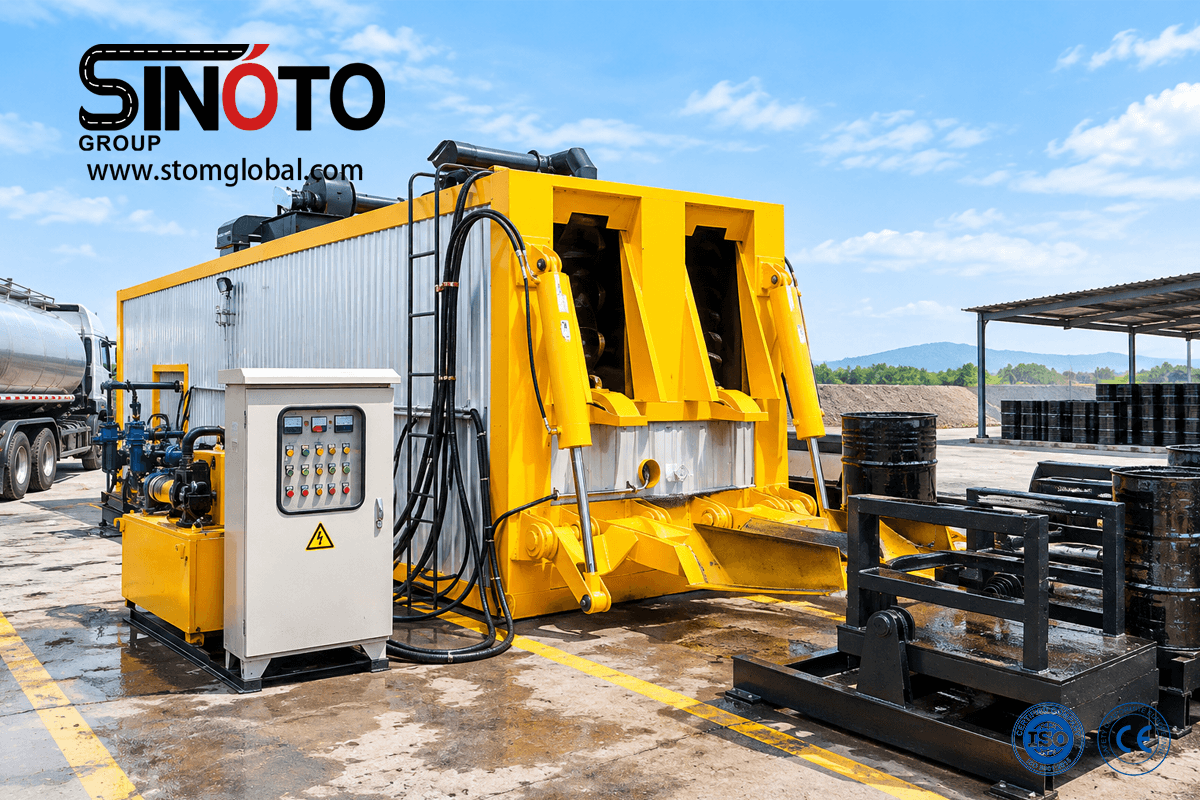
Buyers researching a bitumen melting machine manufacturer are usually comparing modern decanters against older, riskier melting methods. Here’s what typically drives the decision:
Traditional open-flame melting exposes workers to fire risk, toxic fumes, and burn hazards. A properly engineered bitumen drum melter uses thermal oil indirect heating instead of direct flame, which:
Advanced bitumen decanter models use finned-tube heat exchange technology that increases the heating surface area — commonly up to 1.5x that of conventional thermal oil pipes — combined with fume recovery and hot-air circulation to reduce fuel waste.
Fully automatic control systems regulate ignition based on real-time temperature readings, preventing localized overheating or carbonization that would degrade the bitumen’s performance properties.
Hydraulic loading and automatic discharge remove the need for hazardous manual barrel handling. This continuous feed-and-discharge design is reported to increase output by 30–50% compared to traditional bitumen melting machines.
“Continuous barrel feeding and automatic discharge ensure uninterrupted asphalt drum removal and melting processes, saving time and labor.” — Manufacturer product specification
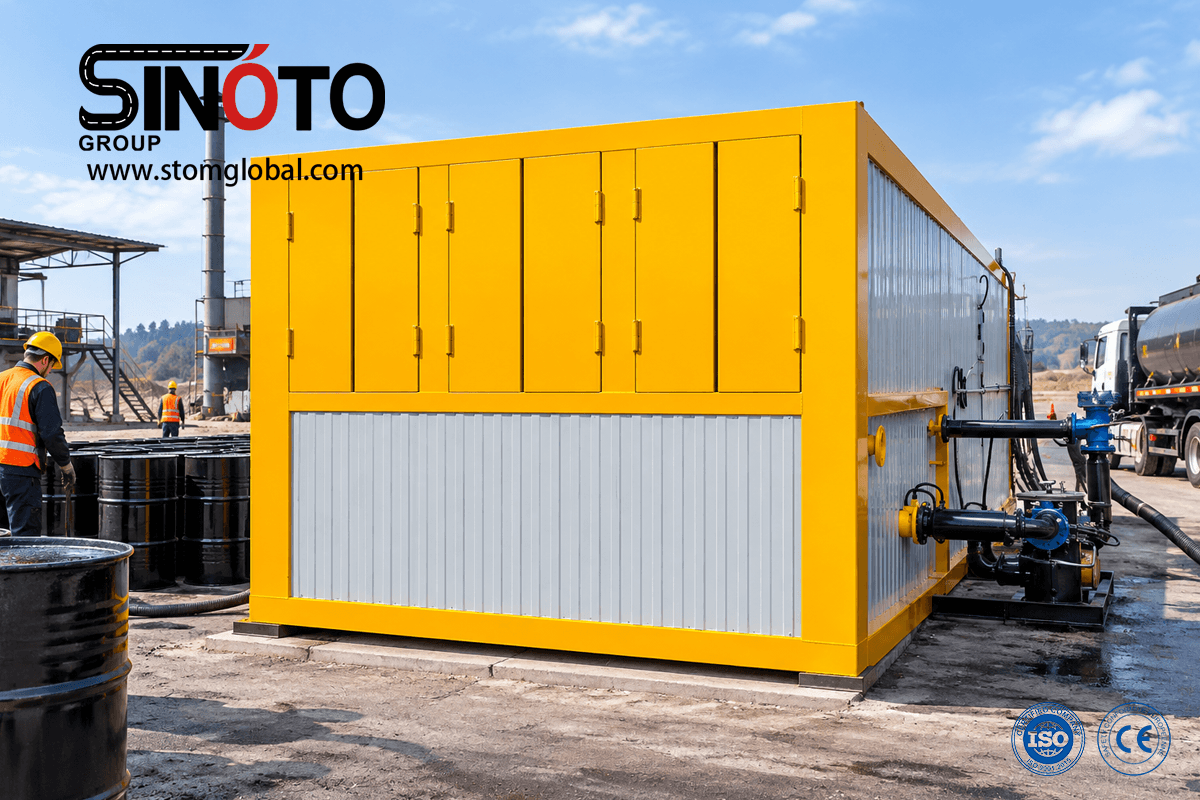
Since capacity, chamber volume, and power draw vary significantly across models, buyers evaluating a bitumen drum decanter manufacturer should compare specs side-by-side rather than relying on marketing capacity claims alone.
| Model | Capacity (t/h) | Drums Accommodated | Bitumen Pool Volume (m³) | Total Power (kW) | Total Weight (kg) |
|---|---|---|---|---|---|
| DT-4 | 4–5 | 30 | 14 | 9.5 | 9,500 |
| DT-6 | 6–8 | 40 | 17 | 18.5 | 12,500 |
| DT-10 | 8–10 | 44 | 18 | 20.5 | 13,500 |
| DT-12 | 12–15 | 60 | 22 | 20.5 | 20,000 |
📊 Buyer takeaway: Match the drum-accommodation count and pool volume to your daily asphalt plant demand — undersizing a bitumen drum heating machine creates bottlenecks during peak paving season, while oversizing wastes capital and fuel.
Other specification questions worth asking any asphalt drum melter supplier:
Beyond raw melting speed, buyers sourcing from a bitumen decanter manufacturer should weigh after-sales support, customization flexibility, and manufacturing scale. Look for a bitumen drum melter supplier that offers:
Since bitumen decanting equipment represents a significant capital investment, it’s worth requesting technical parameter sheets, video demonstrations, and reference project cases before finalizing a bitumen melting machine manufacturer.
Is the equipment compatible with deformed or damaged drums?
Yes — a robust hydraulic pushing system and spacious internal melting chamber typically allow processing of slightly deformed or rusted drums without jamming the feed line.
What heating sources can be used?
Most modern units integrate with existing thermal oil boilers or come with built-in burners (diesel, gas, or heavy oil options).
Does it support overseas containerized shipping?
Modular designs are generally optimized to fit standard 40ft HQ containers, reducing shipping costs and simplifying on-site assembly.
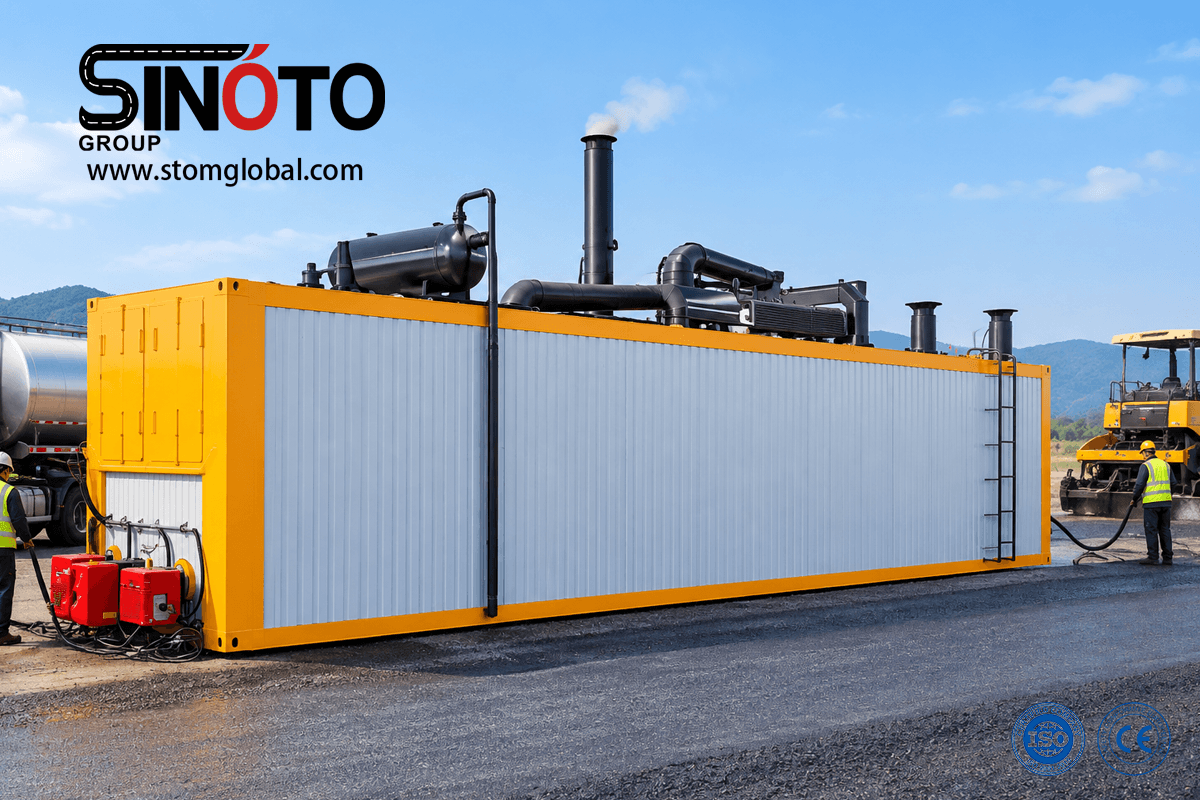
If a 40–60 minute melting cycle, 30–50% higher output, and safer indirect heating sound like what your operation needs, it’s worth getting a tailored capacity recommendation.

Whatsapp ID: 8619059581045

WeChat ID: +8619059581045

