Contractors moving from a conventional drum unit to a continuous forced asphalt plant usually ask one question first: can it control filler as precisely as a batch plant? It can. The Continuous Forced Asphalt Mixing Plant adds a weighing system and a continuous twin-shaft mixer to the proven continuous drum design. Operators can then add mineral powder by weight, while keeping the small footprint, simple operation and low investment of continuous mixing. This article explains how the process works, why it matters for highway construction, and what buyers should check before ordering.
| ⚖️ Weighed Filler | 🌀 Twin-Shaft Forced Mixing | 🛣️ Highway-Grade Output | 💰 Lower Investment |
|---|---|---|---|
| Mineral powder added by weight, not estimated | Thorough coating of every aggregate particle | Suits expressways, airports and demanding projects | Compact structure, simple maintenance |
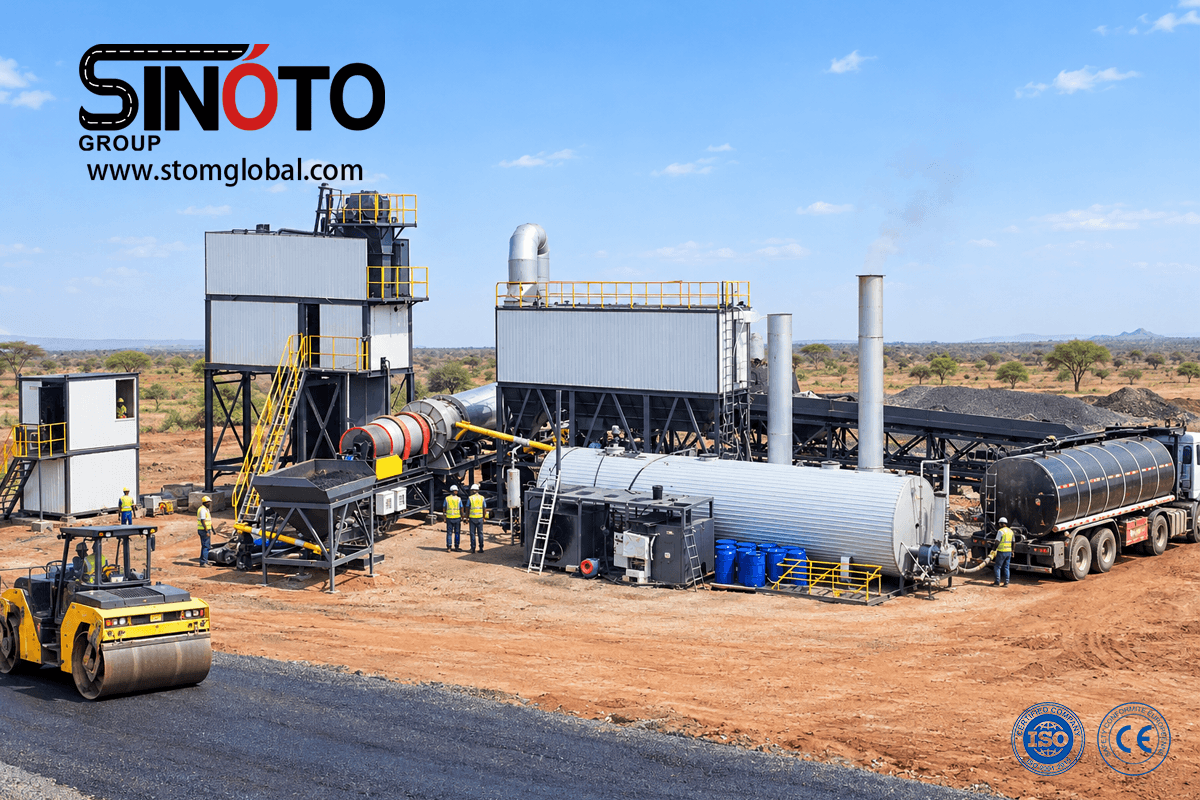
Mineral powder, also called filler, is the finest fraction of an asphalt mixture. It fills the voids between aggregates and blends with bitumen to form the mastic that binds the mix together. Even a small deviation changes how the finished pavement behaves.
In a basic continuous drum plant, filler control is often loose because the system relies heavily on fines recovered from the dust collector. That is acceptable for low-grade roads. It is not enough for high-grade projects with tight gradation and volumetric requirements.
The continuous forced asphalt mixing plant solves this problem. According to the manufacturer, it combines the advantages of a continuous asphalt plant (small footprint, simple operation, low investment) with those of a forced plant (precise measurement, thorough mixing, quantitative addition of mineral powder). As a result, one asphalt mixing plant can serve both economical and high-standard road work.
💡 Key Takeaway: Accurate mineral powder dosing is what separates a continuous forced asphalt plant from a standard continuous drum plant. It brings batch-plant control to a continuous process.
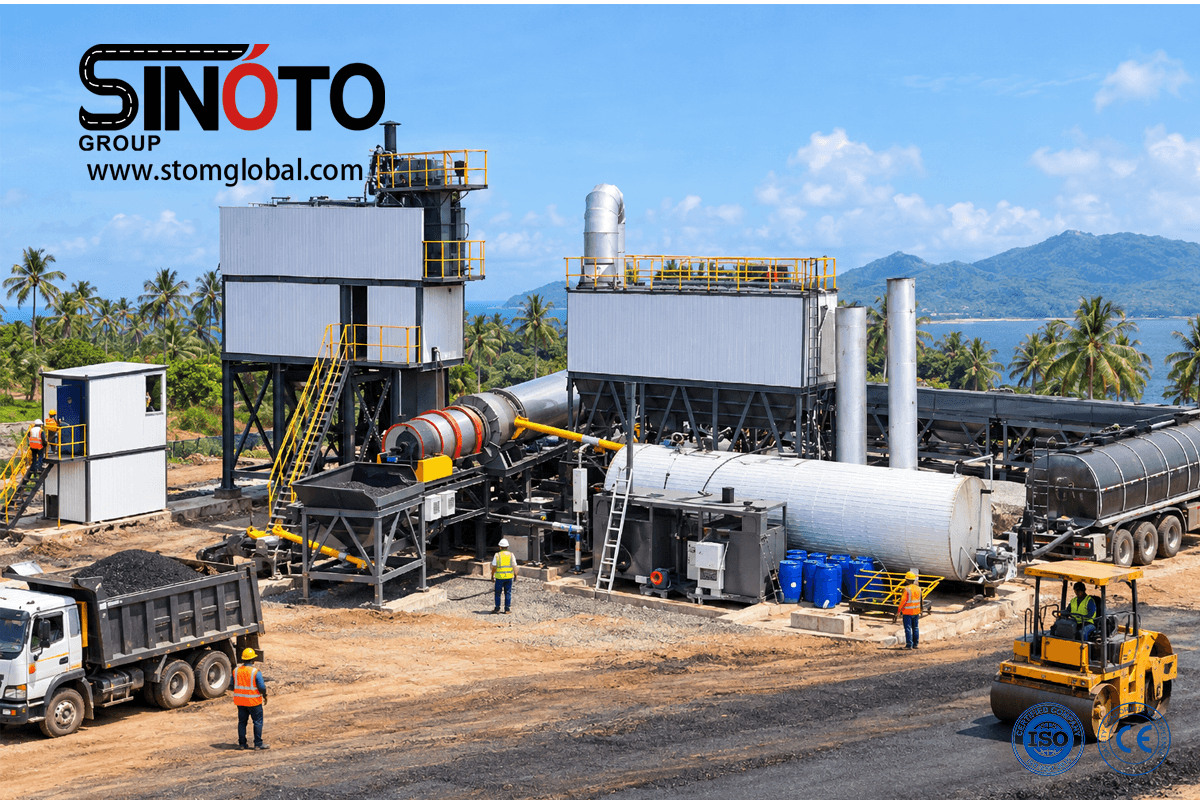
The exact layout depends on the model. A typical dosing sequence in a continuous twin shaft asphalt plant looks like this:
Precision also depends on the rest of the plant. The aggregate side uses belt feeders with frequency inverter adjustment, so aggregate flow can be regulated smoothly. The plant offers manual operation or optional automatic computer control. For projects that must document filler dosing, automatic control is the sensible choice because it records and corrects the process continuously.
Dust collection matters too. The reference configuration combines a primary gravity dust collector, a cyclone or volute casing collector and a baghouse. Good dust handling protects the environment and keeps the filler balance in the mix stable. The manufacturer states that this plant matches, and even surpasses, the dust collection and environmental protection levels of traditional forced plants.
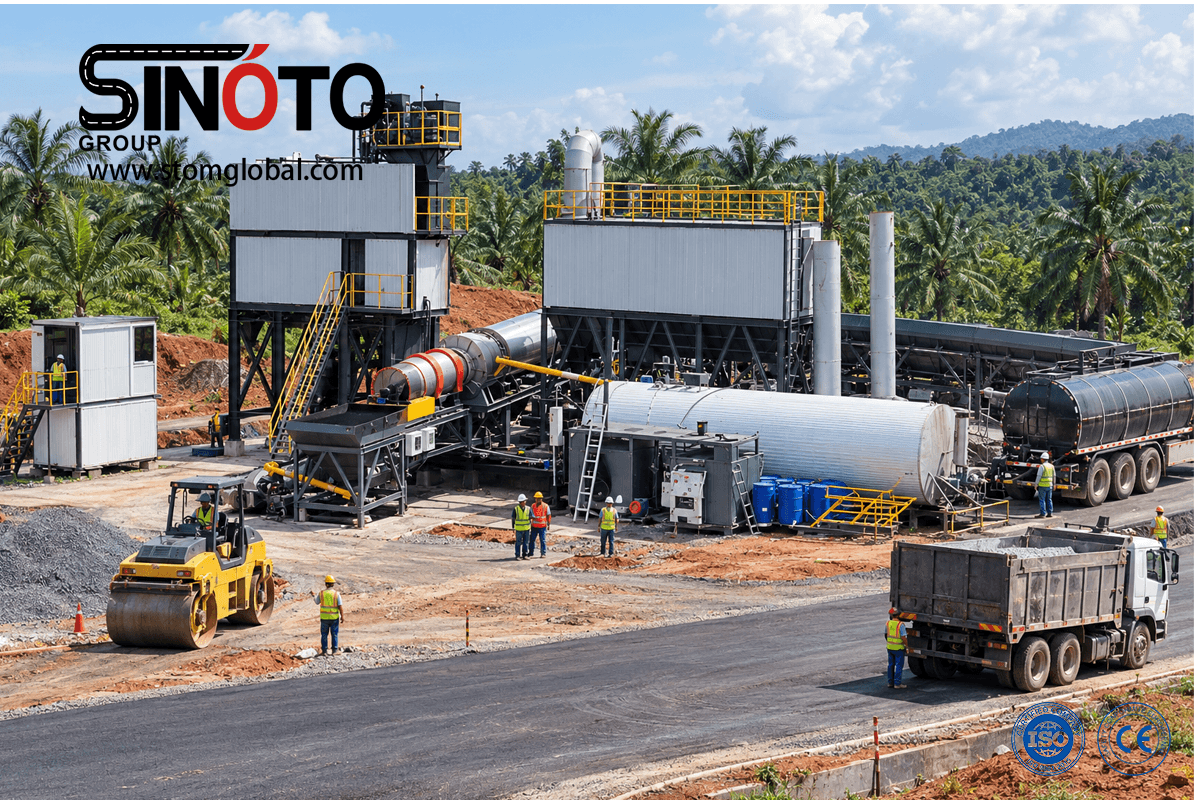
Weighing filler correctly is only half the job. The powder must also be distributed evenly. This is where the forced mixing asphalt plant design helps.
In a drum-only system, aggregate, bitumen and filler are combined in the drying drum. Fine powder can ball up or stick to hot surfaces, and the mix can be uneven. In a forced mixing asphalt plant, the twin-shaft mixer uses two counter-rotating shafts with paddles. They drive aggregate, powder and bitumen against each other by mechanical force, so every particle gets a uniform bitumen film.
Twin-shaft mixing delivers three practical benefits:
The result is a plant that keeps the speed of continuous production without lowering the mixing quality that modern infrastructure requires.
When comparing a continuous forced asphalt plant for sale, look past the headline capacity. Ask these questions:
| Parameter | DHL100 | DHL130 | DHL160 |
|---|---|---|---|
| Capacity (t/h) | 100 | 130 | 160 |
| Total Power (kW) | 223 | 290 | 354 |
| Twin-Shaft Mixer Capacity | 1.5 m³ | 2 m³ | 2.2 m³ |
| Mixer Motor Power (kW) | 30 | 37 | 45 |
| Dryer Drum Size (mm) | Φ1500×7600 | Φ1800×8000 | Φ1980×10000 |
| Hot Mix Storage Silo (m³) | 5.5 | 7.5 | 12 |
Specifications are for reference only and may change. Confirm final data with the supplier.
Buyers looking for a 120 tph asphalt plant will usually compare models between DHL100 and DHL130, so ask the supplier which configuration fits that output best.
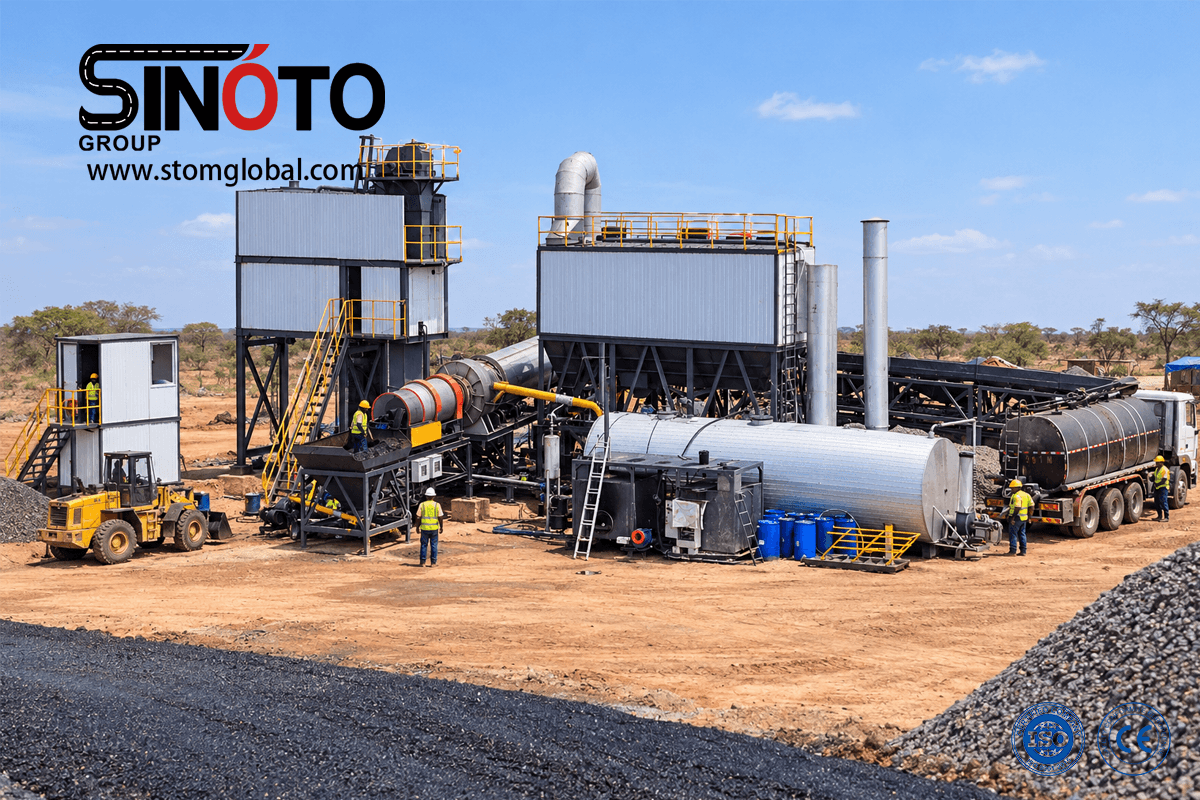
Buyers often search for twin shaft asphalt plant price or forced asphalt plant price first. The final figure depends on capacity, fuel system, degree of automation, dust collection and storage silos. As a general rule, a continuous design needs fewer components and a smaller structure than a batch plant, so initial investment and maintenance costs are typically lower. The most reliable way to compare is to request a written quotation for the same capacity and configuration from each supplier.
Accurate mineral powder dosing rests on three things: a weighing system that measures filler, a control system that keeps it in proportion to aggregate flow, and a twin-shaft mixer that disperses it evenly. A continuous forced asphalt plant brings them together in one machine, delivering batch-level quality with continuous-plant simplicity and economy. For contractors handling highways, expressways or airport projects, it is a practical route to consistent mixes without a large capital outlay.
👉 Send Your Inquiry and Get a Free Quote for a Continuous Forced Asphalt Plant
Email: info@stomglobal.com | WhatsApp: +86-190 5958 1045
#ContinuousForcedAsphaltPlant #AsphaltMixingPlant #TwinShaftAsphaltPlant #HighwayConstruction #AsphaltPlantPrice #RoadConstructionEquipment

Whatsapp ID: 8619059581045

WeChat ID: +8619059581045

